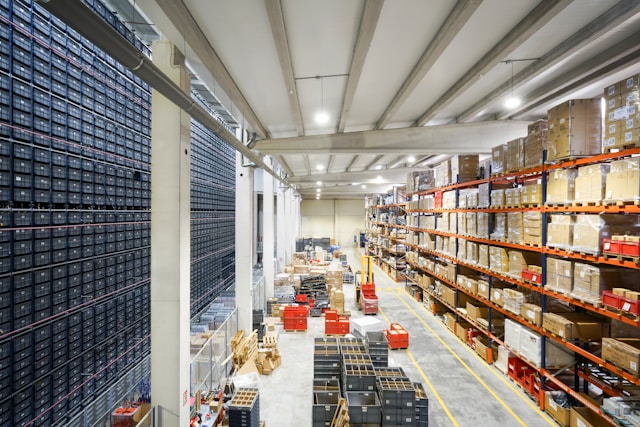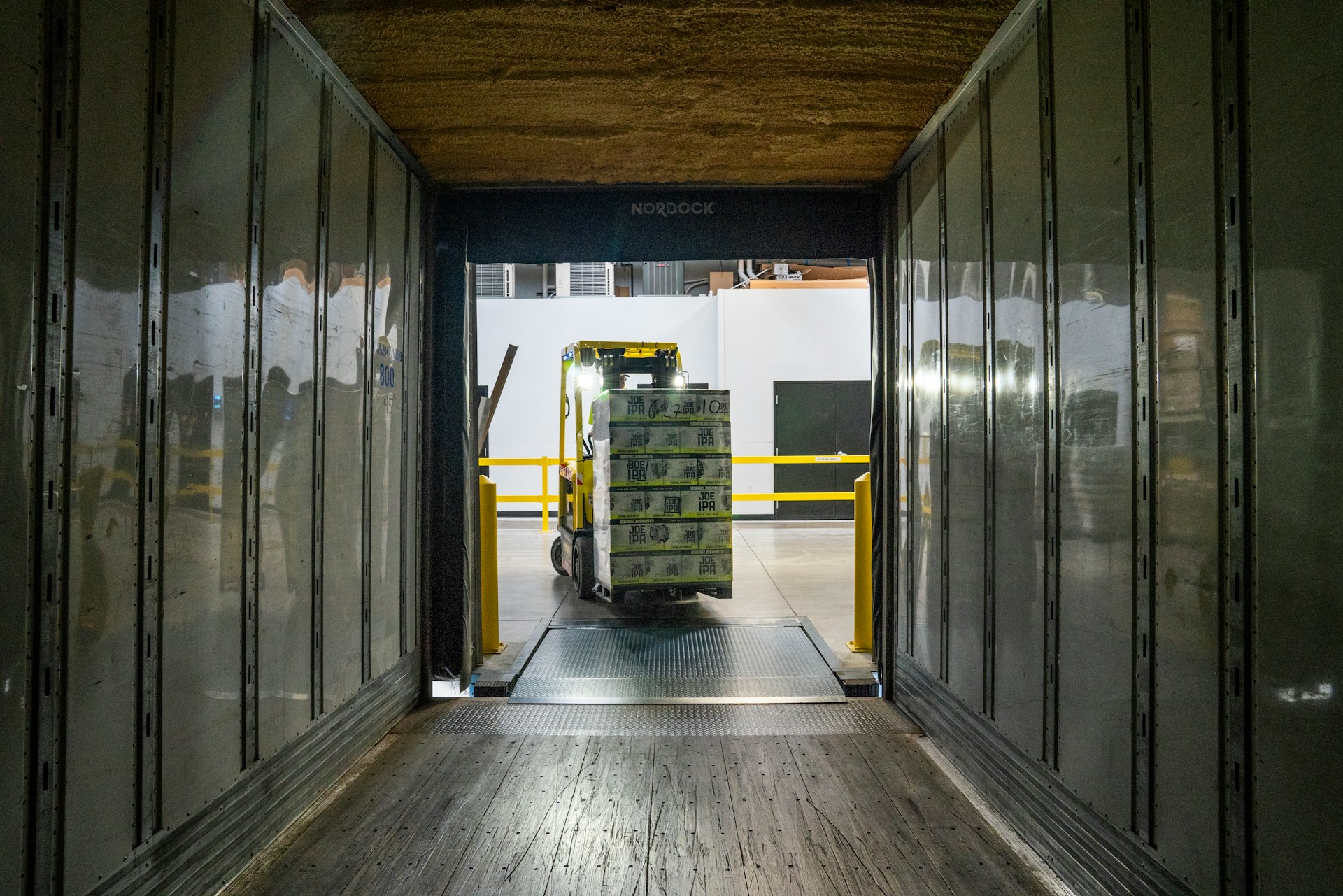


In today’s fast-paced supply chain and logistics environment, mobile inventory management has become a critical driver of efficiency, accuracy, and operational visibility. Businesses are moving away from outdated desktop-only systems and adopting flexible, real-time solutions that work directly on a mobile device, tablet, or handheld scanner.
Platforms like Shipwithmina are helping businesses modernize how they handle inventory tracking, streamline fulfillment, and improve overall inventory control through mobile-first systems designed for speed and accuracy.
This guide explores how mobile inventory management systems, inventory management software, and inventory apps are reshaping warehouse operations, distribution, and inventory optimization.
What Is Mobile Inventory Management?
Mobile inventory management is the use of mobile applications and cloud-based inventory management software to track, manage, and update inventory in real time using smartphones, tablets, or handheld devices.
Instead of relying on manual spreadsheets or desktop-bound systems, businesses can scan products, update stock levels, and manage inventory processes directly from the warehouse floor. This mobile-based approach improves inventory visibility, reduces human error, and ensures that inventory data is always accurate and up to date.
At its core, a mobile inventory management system allows teams to stay connected to live inventory information at all times, improving decision-making and operational efficiency.
Why Mobile Inventory Management Matters for Modern Businesses
Traditional inventory systems often struggle with delays, inaccurate stock counts, and limited real-time visibility. A modern mobile inventory management system solves these challenges by enabling instant updates and seamless communication across the entire inventory management platform.
With mobile technology, businesses gain real-time insight into inventory levels, faster response times in fulfillment, and improved coordination between warehouse teams. This shift directly impacts profitability by reducing overstocking, stockouts, and operational inefficiencies.
More importantly, mobile systems bring inventory control directly into the hands of warehouse staff, turning every mobile device into a powerful operational tool.
How Mobile Inventory Management Systems Work
A modern inventory management system integrates mobile apps, cloud databases, and barcode technology to create a seamless workflow from receiving to shipping.
When a product arrives in the warehouse, it is scanned using a barcode scanner through a mobile inventory app. The system instantly updates the inventory database, adjusts stock levels, and syncs the information across the entire platform in real time.
This process removes manual data entry, reduces errors, and ensures that inventory information flows seamlessly between warehouse operations, fulfillment teams, and management dashboards.
Here’s how it typically works:
- A product arrives in the warehouse
- Staff uses a mobile inventory app on a phone or tablet
- The item’s barcode is scanned
- The system automatically updates the database
- Inventory levels are adjusted in real time
- Data becomes instantly available across the platform
Key Features of Mobile Inventory Management Software
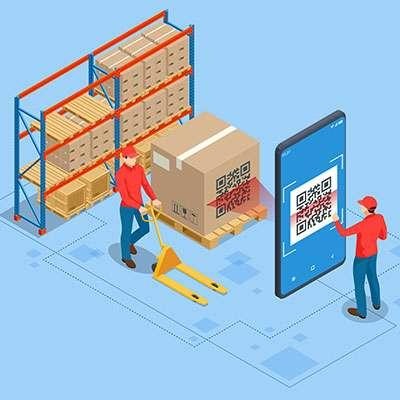
A powerful inventory management software solution is designed to simplify complex warehouse operations while improving accuracy and efficiency.
1. Barcode Scanning Capability
With built-in barcode scanning, users can quickly scan products, bins, and shipments using a mobile device or scanner, eliminating manual input errors.
2. Real-Time Updates
All changes in inventory are reflected in real time, improving inventory visibility and decision-making.
3. Inventory Tracking & Control
Businesses can track every item from receiving to shipping, ensuring strong inventory control and accountability.
4. Offline Functionality
Many mobile inventory apps work offline, allowing teams to continue operations even without internet access. Data syncs automatically once connected.
5. Reporting & Analytics
Advanced inventory software provides insights into stock movement, demand trends, and replenishment needs.
6. User-Friendly Interface
A simple, intuitive interface ensures that warehouse staff can quickly adopt the system without extensive training.
7. Multi-Device Support
Mobile inventory management software works seamlessly across android and ios, desktops, tablets, and handheld scanners.
Benefits of Mobile Inventory Management
1. Improved Efficiency: Automating inventory tracking reduces manual effort and speeds up operations.
2. Better Accuracy: Barcode scanning eliminates human errors in inventory counts and updates.
3. Enhanced Visibility: Real-time data ensures full visibility of inventory levels across all locations.
4. Faster Fulfillment: Orders are processed quicker, improving shipping and customer satisfaction.
5. Reduced Operational Costs: Efficient inventory control reduces waste, overstocking, and stockouts.
6. Increased Flexibility: Staff can manage inventory anytime using a mobile device, improving agility across operations.
Use Cases of Mobile Inventory Management
1. Warehouse Management
In a warehouse, mobile systems help organize stock, manage bins, and track movement efficiently.
2. Retail Operations
Retailers use inventory apps to track product availability and prevent stockouts.
3. Healthcare Inventory
Hospitals rely on mobile systems for managing medical supplies with high precision.
4. Distribution Centers
Supports large-scale fulfillment operations with real-time tracking and scanning.
5. Field Inventory
Technicians and field agents can update inventory data on-site using mobile apps.
Mobile Inventory Management vs Traditional Inventory Systems
Compared to traditional desktop-based systems, mobile inventory management systems offer significantly greater flexibility and efficiency.
Mobile solutions provide real-time updates, built-in barcode scanning, and greater accessibility across devices. Traditional systems, on the other hand, often rely on delayed updates, manual data entry, and limited mobility.
This difference makes mobile systems far more effective for modern businesses that require speed, accuracy, and operational agility.
How Mobile Inventory Management Improves Warehouse Operations
A well-implemented mobile inventory management system transforms warehouse operations by improving stock handling, inventory organization, and workflow efficiency.
Tasks such as receiving goods, labeling products, performing stock counts, and managing replenishment become faster and more accurate when handled through mobile tools. Barcode scanning reduces human error, while real-time updates ensure that all inventory changes are instantly reflected across the system.
This creates a more organized and efficient warehouse environment where teams can focus on productivity rather than manual corrections.
Challenges Solved by Mobile Inventory Management
One of the biggest challenges in traditional systems is inaccurate inventory data caused by manual entry errors. Mobile systems eliminate this by automating updates through scanning and real-time synchronization.
Another major issue is lack of visibility across inventory locations. Mobile systems solve this by providing instant access to inventory information across the entire platform.
They also improve coordination between warehouse teams, reduce delays in fulfillment, and ensure smoother operational workflows.
Why Businesses Are Adopting Mobile Inventory Systems
Businesses are increasingly adopting mobile inventory management software because it offers scalability, automation, and improved efficiency.
These systems integrate easily with existing inventory management platforms, allowing companies to unify operations across warehouses, sales channels, and distribution networks.
They also support better inventory optimization by providing analytics that help businesses understand demand patterns and improve inventory replenishment strategies.
Platforms like Shipwithmina play a key role in this transformation by combining inventory tracking, logistics, and fulfillment into a single streamlined system.
Future of Mobile Inventory Management

The future of mobile-based inventory management is moving toward full automation, AI-driven forecasting, and deeper integration with logistics systems.
Businesses will increasingly rely on predictive analytics to optimize stock levels, reduce waste, and improve fulfillment speed. Mobile systems will continue evolving into central operational hubs that connect inventory, shipping, and warehouse management in real time.
Best Practices for Mobile Inventory Management
To get the most out of a mobile inventory management system, businesses should:
- Regularly update inventory data
- Train staff on barcode scanning tools
- Use automated reporting tools
- Perform routine stock audits
- Integrate with existing inventory software
- Optimize workflows using analytics
These practices ensure smoother operations and better inventory accuracy.
Conclusion
Mobile inventory management is no longer just an upgrade, it is a necessity for modern supply chain efficiency. Businesses that adopt mobile-first systems gain better accuracy, real-time visibility, and stronger control over their inventory operations.
With platforms like Shipwithmina, companies can seamlessly manage inventory, improve tracking, and optimize fulfillment from a single, unified system.
FAQ: Mobile Inventory Management
What is mobile inventory management?
It is the process of managing inventory using mobile devices and apps that allow real-time tracking, scanning, and updates.
How does mobile inventory management software work?
It uses barcode scanning and cloud-based systems to update inventory levels instantly across a connected platform.
What are the benefits of mobile inventory management systems?
They improve accuracy, reduce manual work, enhance visibility, and streamline warehouse and fulfillment operations.
Can mobile inventory apps work offline?
Yes, many systems support offline functionality and automatically sync once connectivity is restored.
Who uses mobile inventory management?
Warehouses, retail businesses, healthcare providers, and distribution centers widely use these systems.