The 3PL warehouse management system is an important technology tool implemented in third-party logistics (3PLs) that provides inventory and operating activities associated with the handling and fulfillment of orders from various clients within an integrated operational context. The increased complexities of modern value chains and customer demands create the need for the adoption of an advanced warehouse management system.
Modern 3PL companies must be able to handle speed, accuracy, and transparency in processing the constantly growing number of orders in multiple warehouses and sales channels. With a 3PL Warehouse Management System implemented correctly, logistics businesses can meet all these challenges in their supply chains.
Understanding a 3PL Warehouse Management System
A 3PL warehouse management system is special software designed for logistics providers who manage inventory and fulfillment on behalf of multiple businesses. Unlike traditional warehouse systems built for a single brand, a 3PL WMS supports multiple clients with their own unique inventory rules, billing structures, and reporting requirements.
A WMS essentially offers central control over inventory management, order processing, and workflows within the warehouse. It allows the logistics providers to track the levels of inventory, manage inbound and outbound shipment, picking and packing coordination, and monitoring of the general warehouse efficiency.
A 3PL WMS gives the much-needed visibility to providers for all the stages of warehousing while minimizing errors, reducing delays, and maintaining consistent service across all clients.
The Role of 3PLs in the Modern Supply Chain
In this rapidly changing economy, third-party logistics is very essential in ensuring that businesses function efficiently without requiring them to invest in their own warehousing systems. Many businesses, especially e-commerce sites, find outsourcing their logistics very useful, as it enables them to concentrate on expansion, marketing, and product development while experts handle their logistics.
A main advantage of using the services of a Third-Party Logistics provider is the flexibility and ability to scale which would be hard for a company to establish on their own. A business has the ability to scale their warehouse capacity up or down depending on their demands.
With the increasing demands of consumers in terms of delivery time and precision, it has become necessary for 3PL companies to depend on their efficient business systems in order to compete in the industry. This is where the importance of a warehouse management system lies.
Why a 3PL Warehouse Management System Is Essential
Managing a warehouse without a WMS introduces significant operational risk. Manual inventory tracking, disconnected systems, and inefficient workflows can quickly lead to errors, delays, and lost visibility across the supply chain.
A 3PL warehouse management system enables logistics providers to:
- Maintain real-time visibility across warehouse activities
- Automate repetitive tasks to reduce labor costs
- Improve order fulfillment accuracy
- Prevent stockouts and excess inventory
- Support business growth without sacrificing efficiency
By centralizing warehouse data and automating workflows, a WMS provides the foundation for scalable and reliable 3PL operations.
Key Features of a 3PL Warehouse Management System
A robust 3PL WMS includes a set of key features designed to support complex logistics environments. These features help streamline operations, optimize workflows, and improve visibility for both providers and clients.
1. Multi-Client Inventory Management
Facilitating the definition of a 3PL WMS is the functionality to handle the inventory of different clients in common 3PL warehouses. This feature allows the inventory, orders, and billing information of different clients to be segregated while working with the same system.
Such a high standard in inventory management enables 3PL companies to efficiently handle varied clients without compromising on accuracy and control.
2. Real-Time Inventory Tracking and Visibility
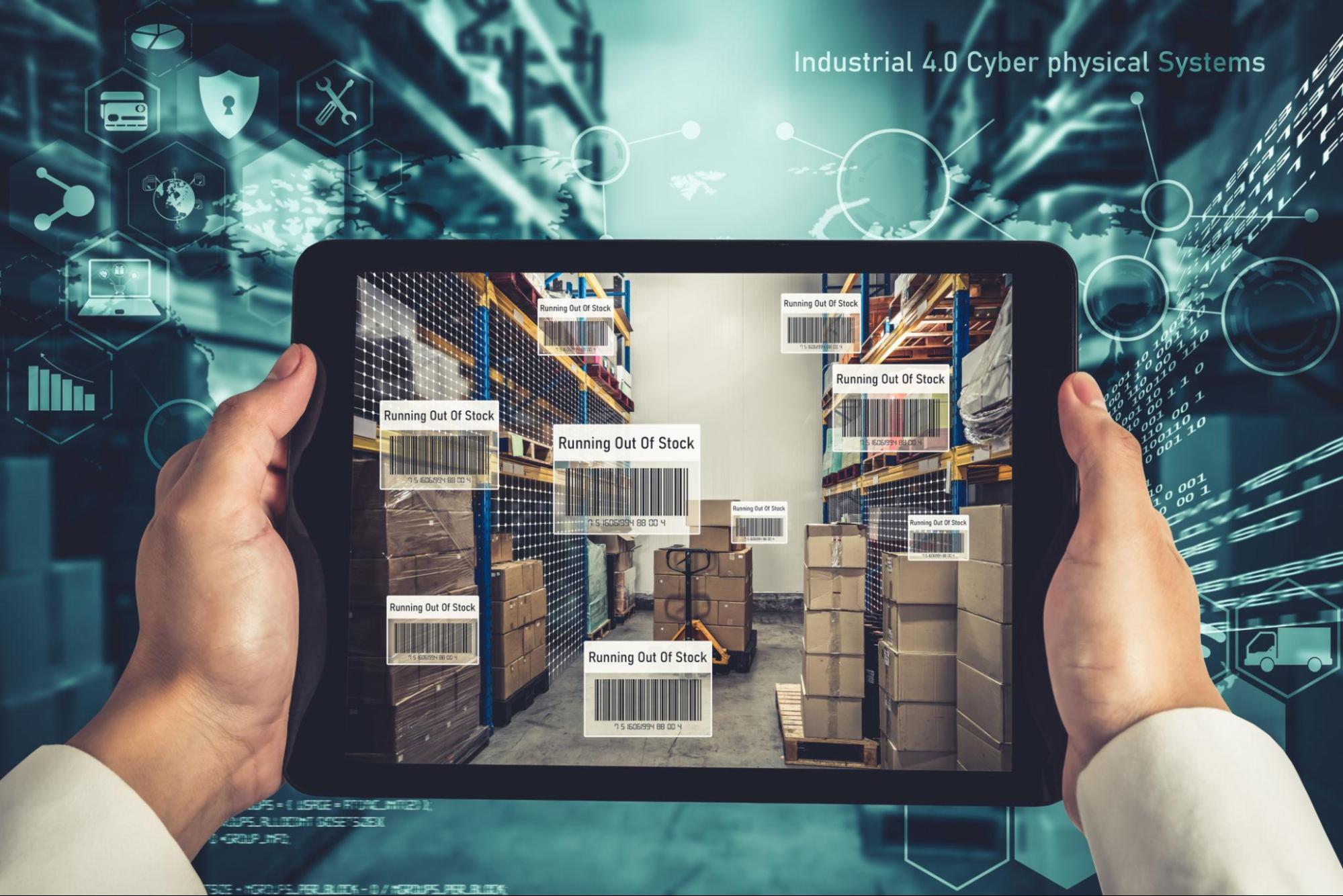
Inventory management is a crucial function that should be executed efficiently for smooth warehouse management. It enables real-time visibility of inventory movement, making it easier for logistics companies to track inventory levels, locations, and replenishment requests.
It assists in avoiding inventory shortage, overstocking, and a discrepancy in fulfilling orders, which are important elements in maintaining a strong relationship between the company and the client.
3. Automated Order Fulfillment
Order Fulfillment is one of the most important elements in logistics operations. A 3PL WMS can automatically handle order fulfillment, such as picking & packing, shipping confirmations, and order status updates.
Automation results in less human error, faster speed, and consistent order management, which can manage peak order seasons efficiently. Automation therefore has a direct impact on warehouse efficiency and customer satisfaction.
4. Optimized Warehouse Workflow
A WMS maximizes warehouse process optimization, which involves routing orders through optimized pick routes, order prioritization, and optimal stock placement in the warehouse. The result is improved productivity and minimized back-and-forth motion within a warehouse.
This ensures that optimized business processes make it possible for logistics companies to process large volumes of orders without additional employee costs.
5. Billing, Reporting, and Analytics
Billing in a 3PL can be quite complicated, as a customer is billed according to storage, handling, and fulfillment functions performed by a 3PL provider. This is automatically done by a WMS according to their usage of a warehouse facility.
The use of advanced analytics also helps the logistics companies judge the performance of warehouses and labor efficacy, as well as the accuracy of orders.
6. System Integrations with ERP and Enterprise Resource Planning Tools
A contemporary WMS in the domain of third-party logistics is compatible with ERP systems, enterprise resource planning tools, transportation systems, as well as electronic commerce solutions. The compatibility of WMS with these tools helps in overcoming data silos.
Through the integration of warehouse management with other business processes, logistics companies have better controls over their inventory, finances, and orders.
7. Cloud-Based WMS Solutions
Cloud-based solutions are common in modern WMS systems; as a result, logistics companies can easily scale up with minimal IT infrastructure. Cloud hosting is a modern concept that enables logistics companies to update their systems without creating downtime.
Cloud-based systems can also increase agility and make system implementation simpler for supporting company expansion, seasonal variations, and the intake of new clients.
Challenges 3PL Providers Face Without a WMS

Without a warehouse management system, 3PL providers face several operational challenges that can limit growth and damage client trust.
1. Lack of Inventory Visibility
With respect to inventory data, if the company cannot track the inventory on a real-time basis, it becomes extremely difficult for the logistics company to manage accurate inventory information. This results in inventory shortages and poor communication between the company and its clients.
2. Inefficient Warehouse Operations
Manual workflows cause delays in warehouse operations, along with increased labor costs. Manual workflows mean that there are pick and pack mistakes that result in returns and rework.
3. Complex and Error-Prone Billing
Manually performing the billing process increases the administrative burden and the possibility of billing errors. Inaccurate or late billing of services may have a bad effect on cash flow and the relationship between the provider and the client.
The 3PL WMS implementation solves this problem by providing an integrated and optimized method of managing and tracking inventory.
Benefits of Implementing a 3PL Warehouse Management System
1. Improved Accuracy and Control
A WMS ensures correct inventory information and automated order picking, thus curtailing errors throughout warehouse operations. This efficiency ensures effective stocking and subsequent distribution.
2. Streamlined Logistics Operations
The WMS works to automate routine tasks. This reduces dependency on labor. Because of this, there is increased efficiency and optimization of workflow.
3. Scalability for Business Growth
While the number of orders grows and new customers are introduced, a WMS enables business growth with minimal overhead investments in terms of people and infrastructure. A WMS has to scale with the business.
4. Enhanced Client Experience
Clients would experience better visibility, faster fulfillment, accurate reporting, and reliable inventory information. All these will help create better partnerships and retain clients for longer periods.
The Future of 3PL Warehouse Management Systems
As supply chains evolve, warehouse management systems will continue to incorporate advanced technologies such as artificial intelligence, predictive analytics, and automation. These innovations will further optimize inventory planning, labor allocation, and fulfillment accuracy.
Sustainability projects are also emerging as a force in the future of warehousing, with WMS-based solutions now offering the ability to optimize energy, waste, and warehouse layout.
How ShipwithMina Supports Modern 3PL Operations
ShipwithMina offers third-party logistics, fulfillment, and inventory management solutions that assist companies in handling their warehousing, inventory, and order fulfillment without having their own facilities. Instead, third-party software solutions, ShipwithMina combines various technological-enabled processes as well as provides operational support to the warehouse to achieve efficient logistics.
ShipwithMina’s fulfillment model is centered on inventory management accuracy, optimized picking and packaging, and order fulfillment. ShipwithMina enables businesses to scale their order fulfillment process efficiently by managing the logistics of the warehouse. This helps in ensuring that the business has full control over the fulfillment process.
Final Thoughts
The inclusion of a 3PL WMS in a third-party logistics process is not a want, but a necessity, as it is a crucial tool that assists third-party logistics providers in their day-to-day functions by providing optimal fulfillment, fast and accurate processing, and improved visibility.
For companies that depend on 3PL suppliers, it is important that companies work with providers who have effective warehouse management systems in place.