

Finding the right dropshipping supplier is essential when building a successful online business. You may have a great product idea and a professionally designed store, but without dependable sourcing, fulfillment, and shipping, keeping customers satisfied can become difficult.
The best dropshipping websites offer different solutions depending on your business needs. Some connect retailers with suppliers and millions of products, while others provide store-building tools, order automation, product sourcing, or complete fulfillment services.
Whether you're a beginner starting your first dropshipping store or an established brand looking to expand, choosing the right platform can simplify operations and improve your customer experience.
In this guide, we'll compare seven of the best dropshipping websites and platforms, examining what each offers, its advantages and limitations, and the type of business it supports best.
7 Best Dropshipping Websites to Consider
1. Ship with Mina
Ship with Mina is an e-commerce sourcing, fulfillment, and logistics partner that helps direct-to-consumer (DTC) brands manage their supply chains and scale their operations. Rather than focusing on a particular product category, Mina offers services covering product sourcing, product development, warehousing, order fulfillment, and international shipping.
Its global supplier network helps businesses source products and materials, while its product development services support brands throughout the process of creating and preparing products for market.
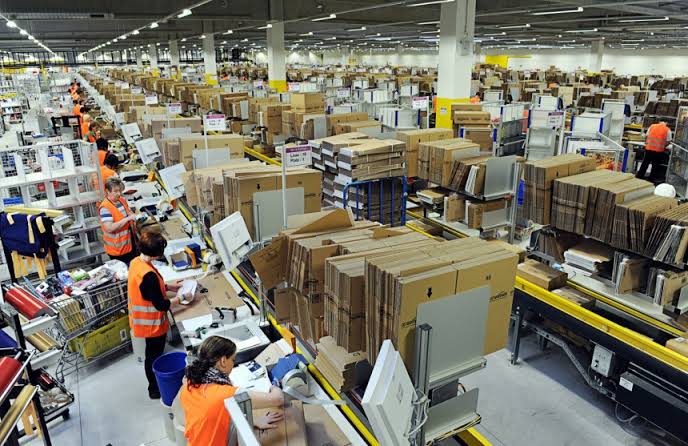
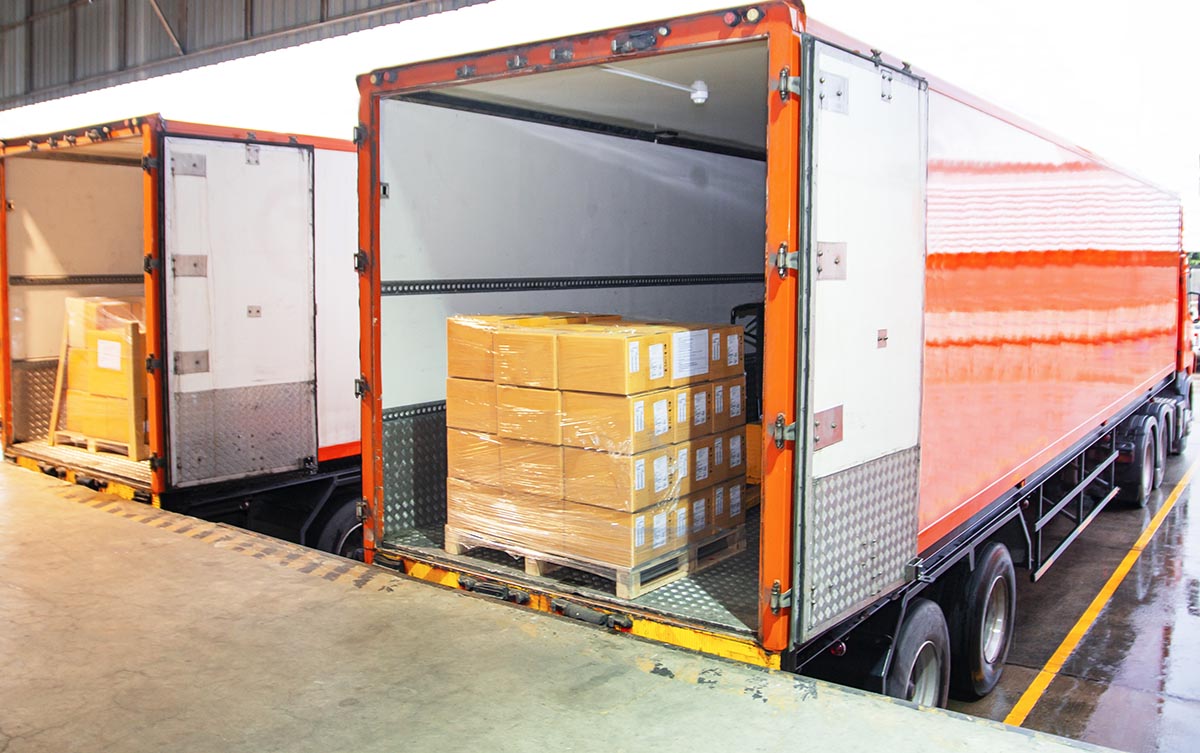
Mina also offers proprietary AI-powered Pick & Pack technology designed to improve warehouse efficiency, order accuracy, and processing speed. Its exclusive shipping lines provide direct shipping routes designed to improve delivery reliability and reduce logistics costs.
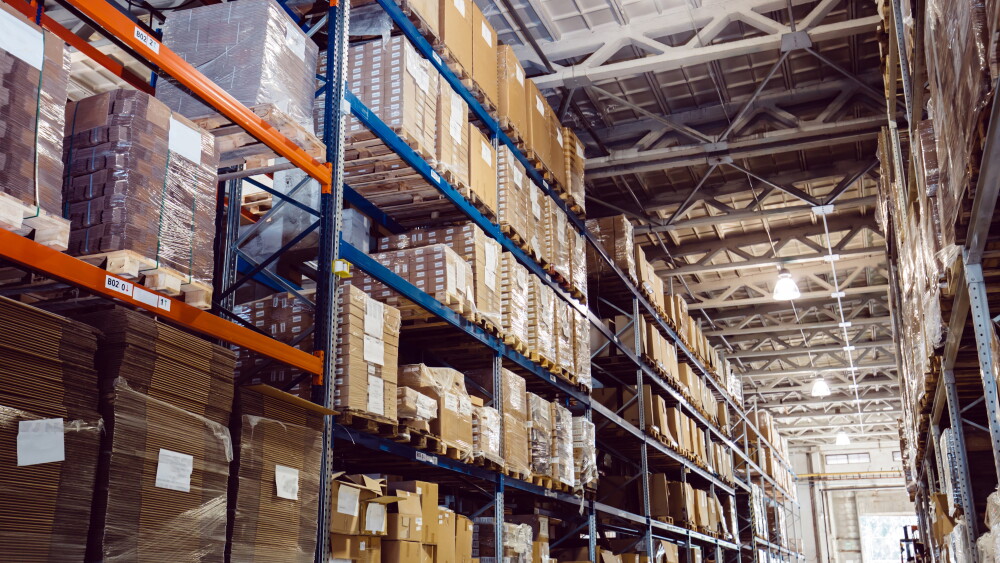
The company operates a global warehouse network, including facilities in China, the United States, Canada, and Australia, alongside partnered warehouses in Europe. This gives e-commerce businesses additional fulfillment options when serving international customers.
Unlike a basic dropshipping app, Ship with Mina provides a more comprehensive supply chain solution for brands that need support beyond importing products into an online store.
Key Features:
- Global product sourcing and supplier network.
- AI-powered Pick & Pack fulfillment technology.
- Exclusive international shipping lines.
- Global warehousing and inventory management.
- Product design and development.
- Custom packaging solutions.
- E-commerce platform integrations.
- Supply chain cost optimization.
Pros:
- Combines sourcing, fulfillment, and logistics services.
- Supports different product categories and business models.
- Global warehouse and distribution network.
- Proprietary warehouse automation technology.
- Product development and custom packaging support.
- Solutions designed for growing DTC brands.
Considerations:
- More comprehensive than a basic dropshipping app.
- Businesses should discuss their product, volume, and fulfillment requirements directly with the team.
2. Shopify
Shopify is an e-commerce website builder that allows entrepreneurs to create, customize, and manage online stores. While Shopify isn't a dropshipping supplier itself, it provides the infrastructure needed to run a dropshipping business.
Its app marketplace connects store owners with different supplier marketplaces, product sourcing services, and fulfillment providers. Popular integrations include DSers, Spocket, and Printful.
You can use Shopify to manage product listings, payments, customer orders, marketing, and sales analytics from one dashboard. Its customizable storefront also allows businesses to develop their own branding and customer experience.
The main advantage is flexibility. However, you'll need to select your own suppliers and understand the additional costs associated with apps, subscriptions, and store operations.
Key Features:
- Customizable e-commerce website builder.
- Dropshipping and fulfillment app integrations.
- Product and inventory management.
- Integrated payment processing.
- Marketing and sales analytics.
- Multi-channel selling capabilities.
Pros:
- Beginner-friendly store creation.
- Extensive app marketplace.
- Flexible website customization.
- Suitable for businesses of different sizes.
- Built-in e-commerce management tools.
Considerations:
- Shopify doesn't supply products directly.
- Subscription and app costs can add up.
- Supplier selection and product quality remain your responsibility.
3. Spocket

Spocket is a dropshipping marketplace that connects online retailers with suppliers across the United States, Europe, and other regions.
The platform helps entrepreneurs source products without purchasing inventory upfront. Its catalog covers multiple categories, allowing store owners to find products that match their target market.
Spocket also provides product importing, inventory management, and order-tracking tools. It integrates with platforms such as Shopify, WooCommerce, Wix, and BigCommerce.
One of its main selling points is access to US and European suppliers. Choosing suppliers closer to your customers can help reduce shipping times, although actual delivery depends on the product, supplier, and destination.
Key Features:
- Global dropshipping supplier marketplace.
- US and European supplier options.
- Product sourcing and importing tools.
- Inventory and order management.
- E-commerce platform integrations.
- Product research and automation tools.
Pros:
- Access to suppliers in multiple regions.
- Wide range of product categories.
- Convenient product importing.
- Integrations with popular e-commerce platforms.
- No minimum order quantities on supported products.
Considerations:
- Product prices and shipping fees vary.
- Not every supplier offers the same delivery options.
- Subscription costs depend on the selected plan.
4. SaleHoo
SaleHoo offers supplier directories and dropshipping tools designed to help entrepreneurs source products and establish supplier relationships.
Its directory provides access to more than 8,000 suppliers across different product categories, including wholesalers, manufacturers, and dropshippers. You can filter suppliers by product type, location, and other business requirements.
SaleHoo also offers a dropshipping solution for Shopify merchants. This provides product importing, supplier research, and inventory-related tools to simplify the process of adding products to an online store.
An important distinction is that the SaleHoo Directory and SaleHoo Dropship serve different purposes. The directory helps you identify and contact suppliers, while Dropship provides additional product sourcing and store integration features.
Key Features:
- Directory of more than 8,000 suppliers.
- Supplier research and filtering tools.
- Wholesale and dropshipping options.
- Shopify product importing.
- Product research resources.
- E-commerce training and support.
Pros:
- Access to suppliers across different industries.
- Helps businesses research potential suppliers.
- Offers both directory and dropshipping solutions.
- Educational resources for beginners.
- Shopify integration through SaleHoo Dropship.
Considerations:
- Paid membership is required for access to its paid services.
- Directory integrations depend on individual suppliers.
- Some supplier relationships require direct communication and manual processes.
5. DSers
DSers is a dropshipping tool designed to simplify product sourcing and order fulfillment. It is particularly associated with AliExpress dropshipping, although its supported sourcing options also include platforms such as Alibaba and 1688.
Instead of manually processing every customer order, store owners can use DSers to manage multiple orders, import products, and organize supplier relationships through a centralized dashboard.
The platform supports integrations with Shopify, WooCommerce, Wix, and other sales channels. Its features include bulk ordering, supplier optimization, product mapping, and tracking synchronization.
DSers can be especially helpful when testing trending products or managing a large catalog from multiple suppliers.
However, using an automation tool doesn't guarantee product quality or fast shipping. You still need to evaluate individual suppliers and compare their fulfillment performance.
Key Features:
- AliExpress product importing.
- Additional sourcing options, including Alibaba and 1688.
- Bulk order processing.
- Supplier optimization tools.
- Product mapping and pricing management.
- Order tracking synchronization.
- Multiple store management.
Pros:
- Simplifies order processing.
- Supports bulk purchasing workflows.
- Offers a free plan.
- Integrates with multiple e-commerce platforms.
- Useful for managing products from different suppliers.
Considerations:
- Supplier quality varies.
- Shipping time depends on the selected supplier and delivery method.
- Some advanced features require paid plans.
6. Printful
Printful is a print-on-demand service that allows entrepreneurs to sell customized products without purchasing inventory in advance.
Instead of sourcing ready-made products from a traditional dropshipping supplier, you upload your designs and apply them to products such as clothing, accessories, and home goods.
When a customer places an order, Printful produces the item, packages it, and ships it directly to the customer.
The platform integrates with Shopify and other e-commerce channels, making it easier to synchronize product listings and manage fulfillment.
Printful is particularly useful for businesses that want to create branded merchandise or sell unique designs without managing their own production facilities.
Key Features:
- Custom product creation.
- Design and product mockup tools.
- Print-on-demand production.
- Automated order fulfillment.
- E-commerce platform integrations.
- Global fulfillment options.
- No minimum order quantities.
Pros:
- No need to purchase inventory upfront.
- Supports customized products.
- Suitable for building a unique brand.
- Handles production and shipping.
- Integrates with popular e-commerce platforms.
Considerations:
- Limited to supported print-on-demand products.
- Production and fulfillment costs affect profit margins.
- Product availability and delivery options vary by location.
7. AliDropship
AliDropship is a WordPress-based dropshipping solution that helps entrepreneurs create online stores and source products from AliExpress.
Its plugin allows users to import products, manage listings, establish pricing rules, and process orders through their WordPress website.
The platform is particularly useful for entrepreneurs who prefer WordPress over hosted e-commerce platforms. Its WooCommerce-compatible version also allows users to build stores using the WooCommerce ecosystem.
AliDropship offers product importing and automation features that reduce the need for manual product management. However, store owners remain responsible for website hosting, security, maintenance, and supplier selection.
Key Features:
- AliExpress product importing.
- WordPress compatibility.
- WooCommerce-compatible version.
- Automated pricing rules.
- Product and order management.
- Product information synchronization.
- Store management tools.
Pros:
- Designed for WordPress users.
- Direct AliExpress product importing.
- Supports product management automation.
- Greater control over website infrastructure.
- One-time purchase options are available.
Considerations:
- Requires a WordPress website.
- Technical maintenance is your responsibility.
- Product sourcing is centered on AliExpress.
- Hosting and other website expenses are separate.
How to Choose the Right Dropshipping Supplier

Here are five factors to consider when choosing suppliers.
1. Product Quality and Reliability
Look for suppliers with consistent product quality and clear business information. Read customer feedback, request samples, and review product specifications before adding products to your store.
2. Shipping Time and Location
Compare shipping options, estimated delivery times, tracking availability, and shipping costs. Suppliers with warehouses closer to your customers may offer shorter delivery times.
3. Product Selection
Choose suppliers offering products relevant to your niche. A wide range of products is useful, but quality and customer demand should take priority over catalog size.
4. Integration and Automation
Consider whether the supplier or dropshipping platform integrates with your online store. Tools that synchronize inventory, import products, and process orders can reduce manual work.
5. Pricing and Profit Margins
Calculate the total cost of each product, including supplier charges, shipping, platform subscriptions, payment processing, and marketing expenses. Your selling price should leave enough room for a sustainable profit margin.
Frequently Asked Questions
What are the best dropshipping websites for beginners?
Shopify, DSers, Spocket, and SaleHoo are worth considering. Shopify provides the storefront, while the other platforms offer different supplier sourcing, product importing, and dropshipping tools.
What is the difference between a dropshipping platform and a supplier?
A dropshipping platform provides tools for sourcing products, managing orders, or operating an online store. A supplier provides the actual products and typically handles fulfillment and shipping.
Can I find dropshipping suppliers in the USA?
Yes. Spocket and SaleHoo provide access to US-based suppliers. Other platforms also offer suppliers and fulfillment options in different regions. Always confirm the supplier's actual location and shipping arrangements.
Is Shopify a dropshipping supplier?
No. Shopify is an e-commerce platform used to build and manage online stores. You connect it with third-party suppliers and fulfillment services to operate a dropshipping business.
Is AliExpress good for dropshipping?
AliExpress offers a wide range of products from different sellers. However, product quality, pricing, and shipping times vary between suppliers. Research individual sellers and request samples where possible.
Which dropshipping platform offers fast shipping?
Spocket provides access to US and European suppliers, which may help reduce delivery times for customers in those regions. Ship with Mina also offers dedicated shipping lines and global fulfillment solutions for DTC brands.
Can I start a dropshipping business without inventory?
Yes. Traditional dropshipping allows you to sell products without purchasing and storing inventory yourself. Suppliers fulfill customer orders directly. Print-on-demand services also operate on this principle, producing products after customers place orders.
How do I find a reliable dropshipping supplier?
Research supplier history, product quality, shipping arrangements, customer feedback, and communication. Request samples and confirm fulfillment and return policies before establishing a long-term relationship.
Final Thoughts
The best dropshipping website depends on your products, business model, and fulfillment needs. Shopify helps build online stores, Spocket and SaleHoo connect retailers with suppliers, DSers simplifies sourcing, and Printful specializes in custom products.
For broader supply chain support, Ship with Mina offers product sourcing, development, AI-powered fulfillment, warehousing, and international logistics.
Ultimately, choose a reliable dropshipping supplier that offers quality products, transparent pricing, dependable fulfillment, and room to scale.