

Inventory replenishment is one of those things you do not really notice until it starts going wrong. When it is working, orders move, shelves stay filled, and everything feels steady. When it is not, you begin to see small issues pile up. Items go out of stock, orders slow down, and it becomes harder to meet customer demand.
This article walks through inventory replenishment in a way that feels clear and easy to follow. You will get a better sense of how it works, why it matters, and the kind of best practices that help you manage inventory without overthinking every decision.
What Does Inventory Replenishment Mean?
Inventory replenishment means restocking inventory so your business always has enough inventory available to meet customer demand. It is about keeping track of what you have, what is moving, and when it is time to bring in new inventory.
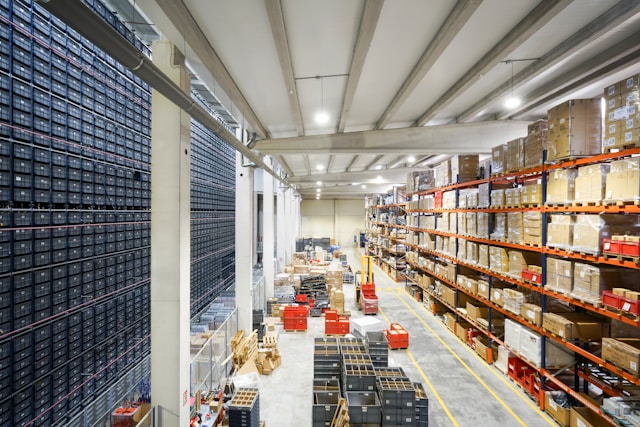
At a basic level, replenishment means keeping stock levels from going too low or building up too much. When inventory levels drop too far, you deal with stockouts. When too much inventory sits in the warehouse, it turns into excess inventory that ties up space and cost.
The inventory replenishment process usually starts with tracking inventory data using an inventory management system. You look at your current inventory, review how products are moving, and consider lead time from your supplier. From there, a demand forecast helps guide when to restock and how much inventory to order.
It all connects back to inventory management and the supply chain. When those parts work together, inventory replenishment helps you optimize inventory, keep better control of your inventory, and maintain steady customer satisfaction.
Importance of Inventory Replenishment
1. Avoiding Stockouts and Lost Sales
Stockouts tend to catch you off guard. A product that was moving fine suddenly runs out, and customers are left waiting or looking elsewhere. Inventory replenishment helps reduce that risk by keeping enough inventory available so you can meet customer demand more consistently.
2. Maintaining Optimal Inventory Levels
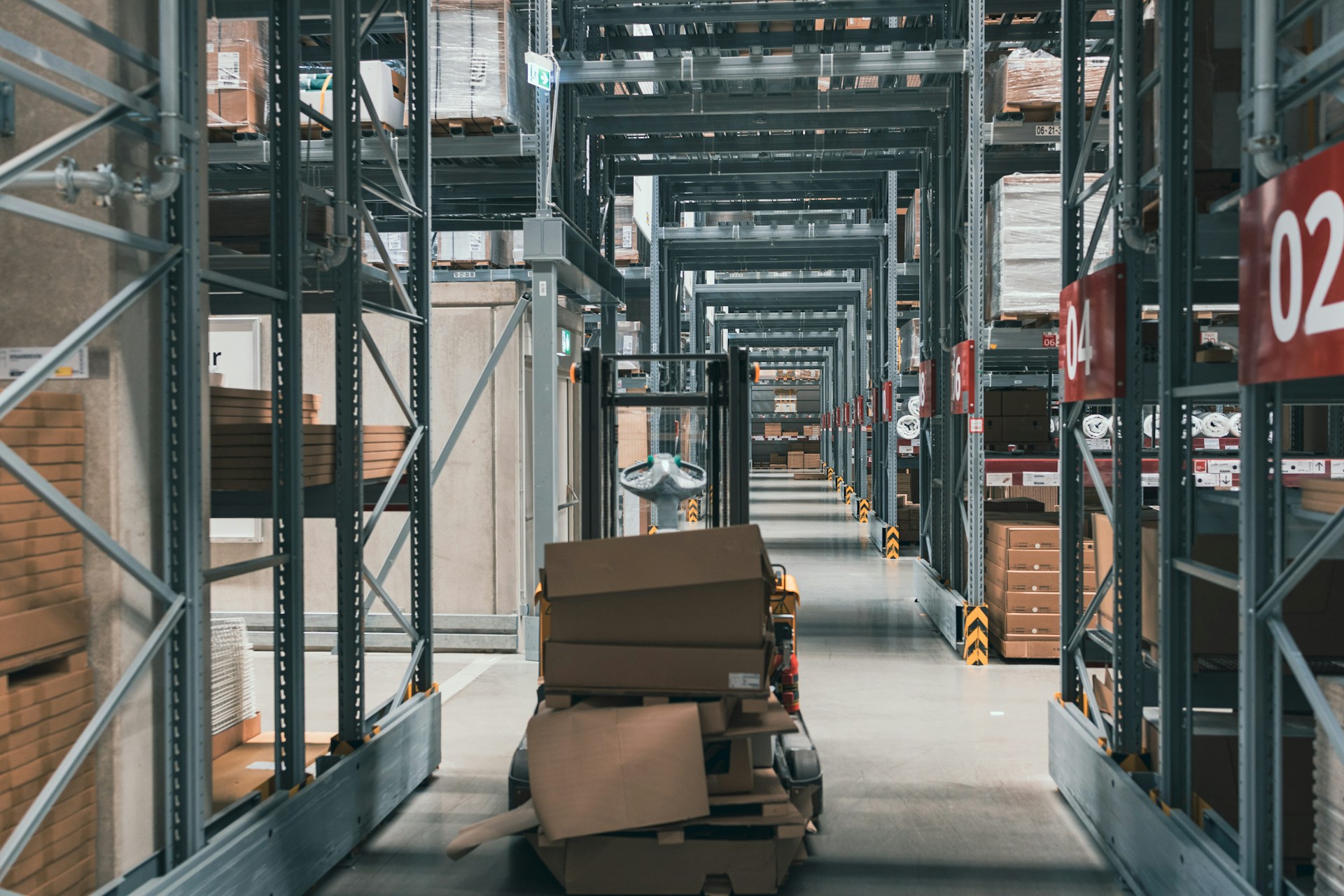
There is always a balance to keep. Too much inventory leads to higher storage costs and slow moving items. Too little inventory makes it harder to keep up with orders. A good replenishment system helps maintain optimal inventory without constant adjustments.
3. Improving Customer Satisfaction
Customers notice when things run smoothly. When stock replenishment is steady, orders are processed on time and fewer delays happen. That reliability plays a big part in customer satisfaction.
4. Supporting a Smooth Supply Chain
Inventory replenishment plays a quiet role in the supply chain. It connects your warehouse, your supplier, and the flow of orders. When the replenishment process is clear, it supports better supply chain planning and keeps things moving without unnecessary stops.
Challenges in Inventory Replenishment
1. Inaccurate Demand Forecast
A demand forecast that misses the mark can create problems quickly. Ordering too much leads to excess inventory, while ordering too little leads to stockouts. Without solid inventory forecasting, it becomes harder to make steady replenishment decisions.
2. Long Lead Times from Suppliers
Lead time from a supplier does not always stay consistent. Delays can happen, and when they do, inventory levels can drop faster than expected. This puts pressure on the inventory replenishment process and makes it harder to restock at the right time.
3. Poor Inventory Tracking
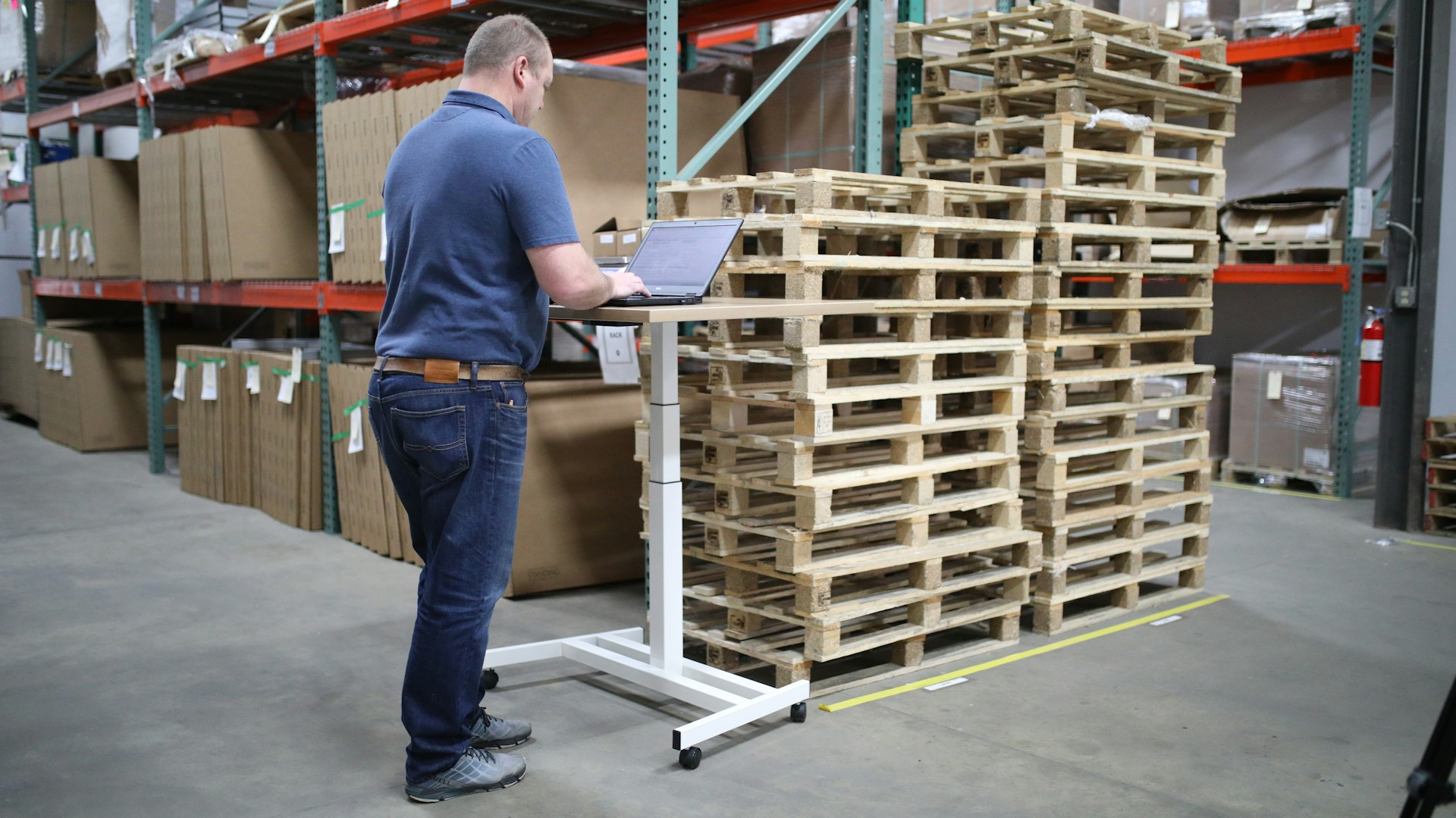
If your inventory records are not up to date, it becomes difficult to understand your current inventory. Without real time inventory tracking, decisions are based on incomplete information, which affects inventory control.
4. Managing Multiple Products
As your product range grows, managing inventory becomes more complex. Different items move at different speeds, which makes it harder to manage inventory and keep stock levels where they need to be.
Inventory Replenishment Strategies
a) On-Demand Method (Just-in-Time Replenishment Method)
The on demand method focuses on bringing in inventory when it is needed. It reduces the amount of inventory stored in the warehouse and helps limit excess inventory.
This replenishment method depends on a strong demand forecast and steady coordination with your supplier. The idea is to receive new inventory close to the time it is needed. It can help optimize inventory and reduce storage costs, but it also requires careful tracking inventory and solid supply chain planning to avoid stockouts.
b) Top Off Method
The top off method follows a simple idea. You restock inventory at regular points so stock levels return to a set level.
It works well for products that move at a steady pace. You review inventory, place replenishment orders, and bring stock levels back up. This helps maintain enough inventory without needing constant changes to your replenishment process.
c) Reorder Point Method (Fixed Order Quantity or FOQ Method)
The reorder point method sets a specific level where you need replenishment. When stock levels reach that point, a fixed amount of inventory is ordered.
This creates a clear replenishment system. It takes into account lead time, safety stock, and demand forecast. When these are set correctly, it supports effective stock replenishment and keeps inventory levels more stable.
d) Periodic Stock Replenishment Method (Fixed Order Interval or FOI Method)
With this method, you review inventory at set intervals instead of checking it all the time. It could be weekly or monthly, depending on how your inventory moves.
This makes inventory management easier to follow because there is a routine. At the same time, it depends on accurate inventory data and consistent forecasting and replenishment planning. Without that, there is a higher chance of stockouts between reviews.
e) Vendor Managed Inventory Replenishment Method (VMI)
Vendor managed inventory shifts the responsibility of managing inventory to the supplier. The supplier tracks inventory data and handles replenishment orders based on what is needed.
This can improve inventory efficiency and reduce the need to monitor everything closely. Since the supplier works directly with inventory information, they can react faster and maintain effective replenishment. It also strengthens how the supply chain works together.
Tips for Effective Inventory Replenishment
1. Use Real Time Inventory Tracking

Real time inventory makes it easier to see your current inventory at any moment. This helps you manage inventory replenishment with fewer surprises.
2. Improve Demand Forecasting
A better demand forecast leads to better replenishment decisions. Looking at past sales and trends helps create a clearer view of what to expect.
3. Maintain Safety Stock
Safety stock gives you extra inventory when something unexpected happens, such as delays from a supplier or sudden changes in demand. It helps reduce the risk of stockouts.
4. Automate the Replenishment Process
An inventory management system or inventory management software can help automate replenishment orders. This keeps the process consistent and reduces manual work.
5. Review Inventory Regularly
Taking time to review inventory records and stock levels helps you stay aligned with actual demand. It also supports better inventory control over time.
Improving Inventory Replenishment with Ship with Mina
Managing inventory across different locations can start to feel scattered as your business grows. ShipwithMina supports businesses by making inventory replenishment more structured and easier to handle across the supply chain.
With global warehousing solutions, your inventory can be placed in strategically located warehouse locations. This helps reduce shipping costs and times while making it easier to meet customer demand in different regions.
Optimized storage solutions supported by advanced inventory management systems help improve how space is used and reduce storage costs. This also supports better inventory efficiency and keeps inventory levels in a healthier range.
Fast and flexible fulfillment supports smoother order processing. As demand changes, the system adjusts with it, helping you maintain effective inventory replenishment without slowing things down.
Conclusion
Inventory replenishment plays a steady role in how a business runs. It affects how you manage inventory, how you respond to customer demand, and how your supply chain performs over time.
Using the right replenishment strategies, keeping inventory data accurate, and following best practices can help you build a replenishment system that feels more reliable. Over time, this leads to better inventory control, fewer stockouts, and a smoother flow across your operations.