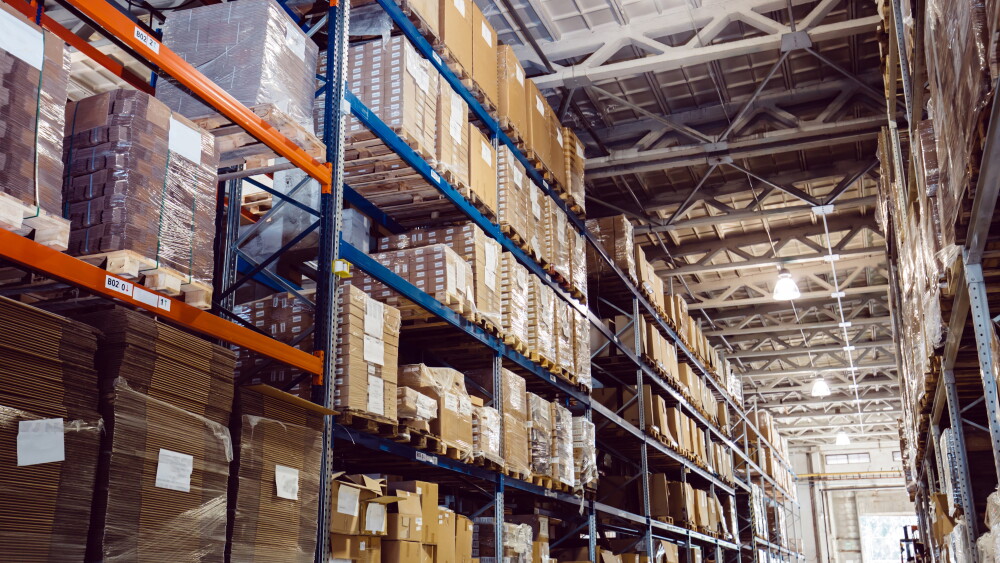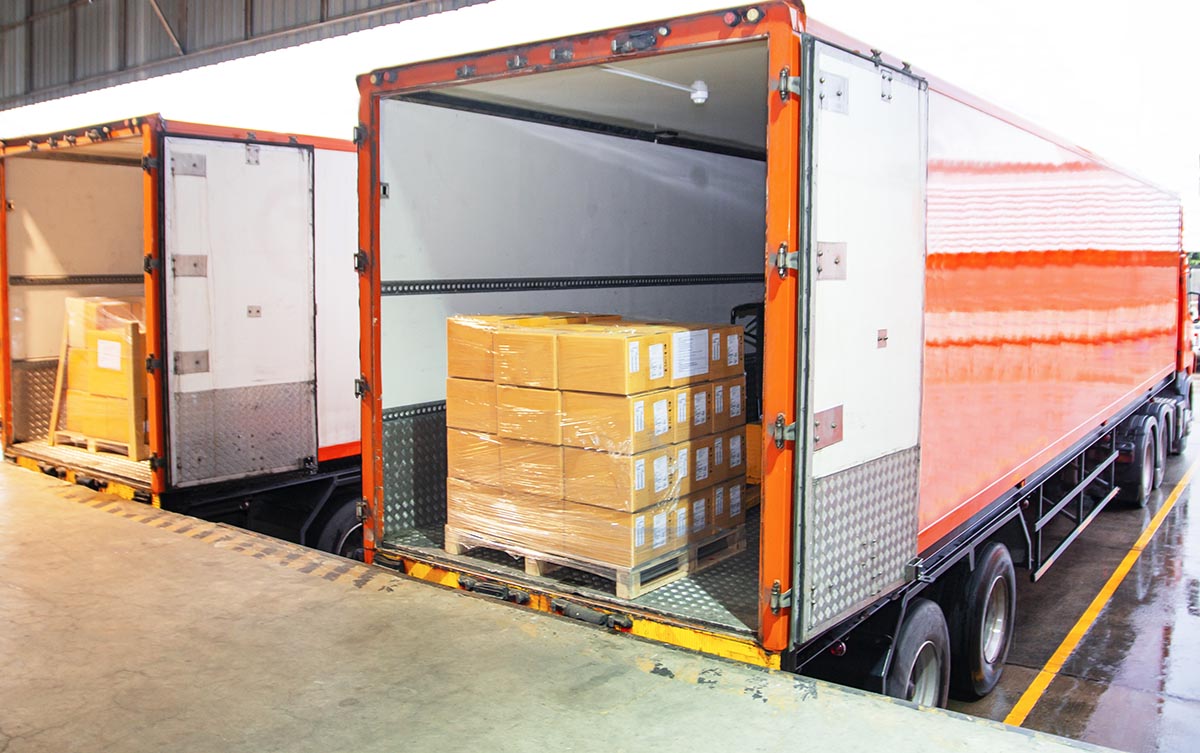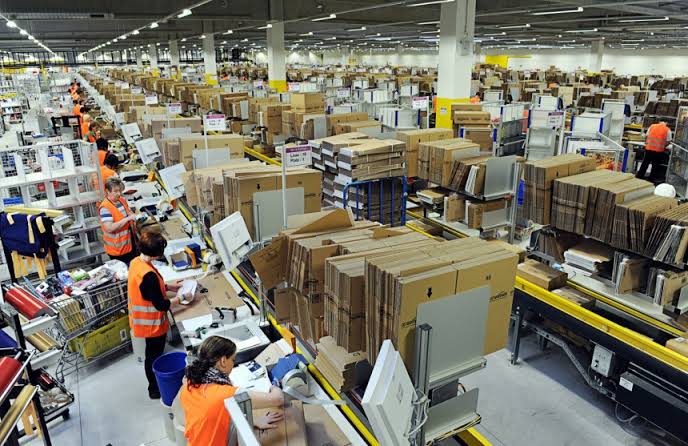


What is ecommerce fulfillment center? It's a facility that stores inventory, processes orders, packs products, and ships them directly to customers. For online sellers, it simplifies logistics and makes managing growing order volumes easier.
Running an online store involves more than making sales. You also need to manage inventory, handle shipping, and process returns. As your business grows, these tasks can become overwhelming.
Fulfillment partners like Ship with Mina help online sellers streamline fulfillment operations so they can focus on growing their businesses. But how do fulfillment centers work, and when should you consider using one?
This guide explains everything you need to know about ecommerce fulfillment, including how fulfillment centers operate, their benefits, associated costs, and how to choose the right provider.
What Is an Ecommerce Fulfillment Center?
An ecommerce fulfillment center is a facility where businesses store products before they are picked, packed, and shipped to customers who place orders online. It manages the physical side of the order fulfillment process, allowing e-commerce sellers to outsource daily warehouse operations.
When a customer buys something from your online store, the order information is sent to the fulfillment center. Its team locates the products, prepares the package, prints the shipping label, and hands it over to a delivery carrier.
Unlike a traditional warehouse, which primarily focuses on storing goods, a fulfillment center manages several stages of the fulfillment process. These typically include:
- Receiving inventory: Checking incoming shipments and recording product quantities.
- Storage: Organizing products in designated warehouse locations.
- Picking and packing: Retrieving ordered items and preparing them for shipment.
- Shipping: Arranging delivery through selected carriers.
- Returns management: Receiving returned products, inspecting them, and updating inventory records.
For example, imagine you sell candles online and send 300 units to a fulfillment warehouse. The team receives and records your inventory before placing the products in designated storage areas.
When a customer orders two lavender candles, a warehouse worker picks the items, packs them according to your instructions, and prepares them for shipping. Your inventory records are updated, giving you a clearer picture of available stock.
This arrangement allows e-commerce brands to outsource physical order management without losing ownership of their products or online stores.
How Does an E-Commerce Fulfillment Center Work?
A fulfillment center follows a structured process to move products from storage to customers. While individual fulfillment companies may use different systems, most follow these five stages.
1. Receiving and Storing Inventory
The process starts when your products arrive at the warehouse. The team receiving inventory checks the shipment against your packing list, verifies quantities, records product SKUs, and identifies damaged items.
Once checked, products are labeled and placed in designated storage locations. Proper organization makes it easier for warehouse staff to locate products when orders arrive.
As a seller, you may need to provide product dimensions, weights, SKU numbers, and special handling instructions. This information helps the fulfillment provider organize inventory and determine suitable packaging.
Effective inventory management at this stage helps prevent misplaced products, stock discrepancies, and unnecessary delays.
2. Order Processing and Picking
When a customer places an order through your e-commerce platform, the order details are transmitted to the fulfillment center through an integrated system.
The warehouse management system generates a picking list showing which products need to be retrieved and their storage locations.
A warehouse employee follows the picking process to collect the correct items. Depending on the facility and order volume, this may involve individual picking, batch picking, or other warehouse methods designed to improve efficiency.
Accurate picking is essential because sending the wrong product can lead to returns, additional shipping costs, and dissatisfied customers.
3. Packing Orders
After picking, products move to the packing station. Workers select suitable packaging materials based on product size, weight, fragility, and shipping requirements.
For example, clothing may be folded and wrapped in tissue paper, while fragile products require protective materials to prevent damage during transit.
Businesses can also request branded packaging, promotional inserts, thank-you cards, or other customized materials, depending on the fulfillment service offered.
A well-managed pick-and-pack operation protects products while creating a consistent customer experience.
4. Shipping and Tracking
Once packing is complete, the fulfillment team weighs the package, selects an appropriate shipping service, and generates the shipping label.
The package is then handed to the selected carrier for delivery. Tracking information is typically synchronized with the seller's online store, allowing both the business and customer to monitor the shipment.
Many fulfillment providers work with multiple shipping carriers, offering different delivery speeds and shipping options. Some also negotiate carrier rates that may help businesses reduce shipping expenses.
5. Returns Processing and Restocking
Returns are an important part of ecommerce fulfillment. When customers send products back, the fulfillment center can receive the packages, inspect the items, and update inventory records.
Products that meet your resale requirements can be returned to available inventory. Damaged, incomplete, or opened products may be separated for further inspection or disposal according to your instructions.
Before choosing a provider, ask how it handles returns, how quickly returned products are processed, and whether additional fees apply.
Why Does Your E-Commerce Business Need a Fulfillment Center?
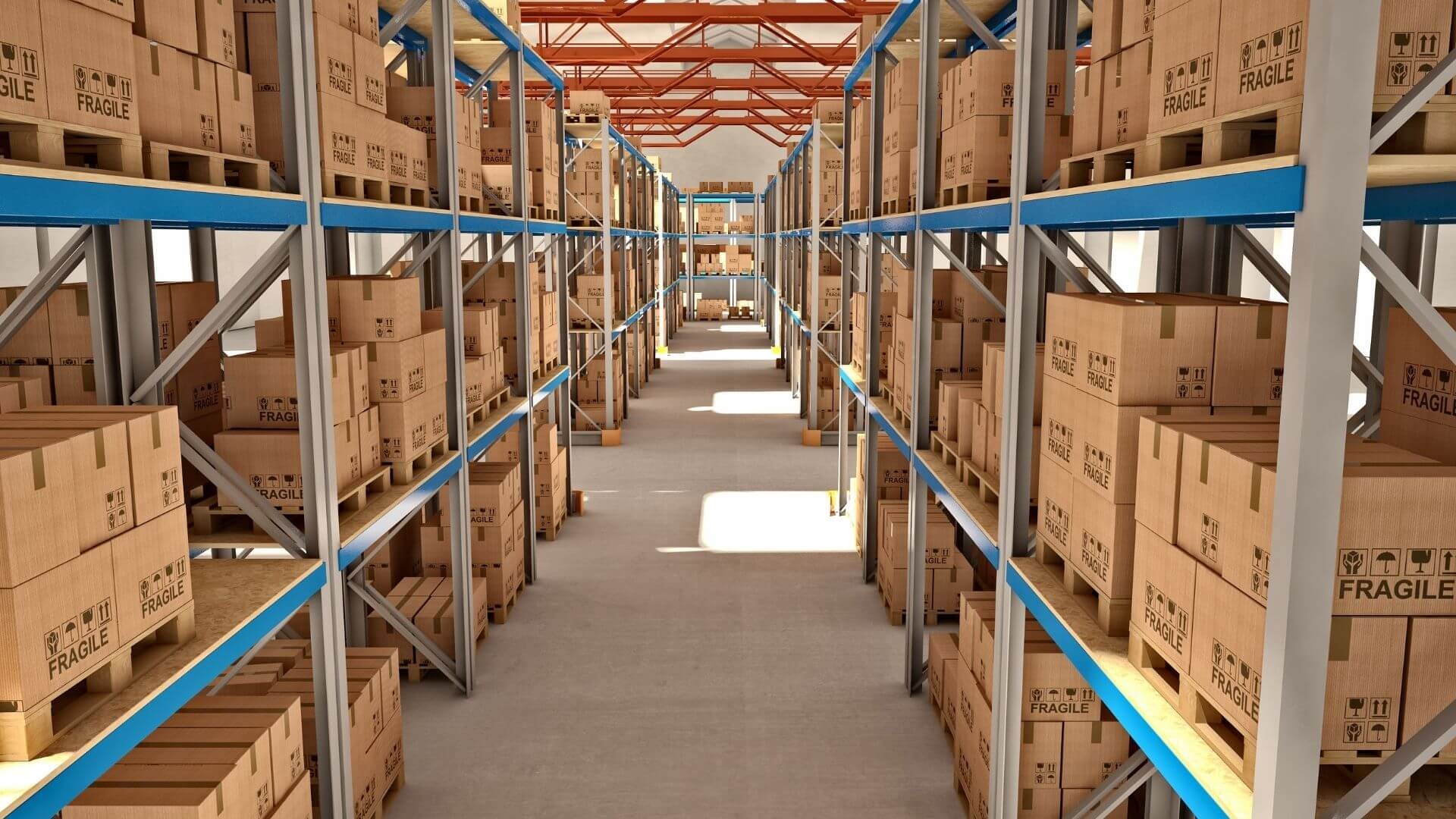
Managing fulfillment internally may work when your store is small. However, as orders increase, storage, packing, and shipping can consume valuable time and resources.
Here are some reasons to consider outsourcing fulfillment.
More Time to Focus on Business Growth
Packing orders every day can take time away from important business activities, including marketing, product development, customer service, and sales.
An external fulfillment partner handles the physical work involved in processing orders. This allows you to concentrate on business growth instead of spending hours managing packages and shipping labels.
Scalable Warehouse Space
Many online sellers begin by storing products in a spare room, garage, or small office. While this arrangement can work initially, growing inventory eventually requires more space.
A fulfillment center provides access to dedicated warehouse space without requiring you to lease or operate your own facility.
You can also adjust your storage requirements as inventory and order volume change, depending on the provider's capacity and pricing structure.
Faster and More Reliable Shipping
Customers increasingly expect convenient delivery options and accurate shipping updates. However, managing deliveries from a home-based operation can limit your ability to process orders consistently.
A strategically located fulfillment warehouse may provide access to major shipping routes and carrier networks. Depending on its location and carrier arrangements, this can help reduce delivery times and improve shipping coverage.
Better Inventory Management
Keeping track of products manually becomes difficult as your business expands. Stock discrepancies, misplaced items, and unexpected shortages can affect sales and customer satisfaction.
Modern fulfillment centers use inventory management systems to track stock levels, monitor incoming shipments, and update quantities as orders are processed.
These systems give sellers better visibility into available inventory and help them plan restocking.
Improved Order Accuracy
Processing orders manually increases the risk of picking the wrong product, forgetting an item, or using unsuitable packaging.
Established fulfillment operations follow standardized procedures for receiving, picking, packing, and shipping. These processes can reduce fulfillment errors and create a more consistent experience for customers.
Fulfillment Center vs. Warehouse: What's the Difference?
Although the terms are sometimes used interchangeably, a warehouse and a fulfillment center serve different purposes.
A traditional warehouse primarily stores products until they are needed. It may support inventory management and distribution, but it does not necessarily handle individual customer orders.
A fulfillment center, on the other hand, combines storage with order processing and shipping services. Its operations are designed to move products quickly from inventory to the end customer.
Some modern warehouses also offer fulfillment services, meaning the distinction depends on the services provided rather than the building itself.
For online sellers, an e-commerce fulfillment center is generally the more suitable option when the goal is to outsource the complete order fulfillment process.
In-House Fulfillment vs. Outsourced Fulfillment
When choosing how to manage orders, e-commerce businesses generally have two main options: handle fulfillment internally or outsource it to a third-party provider.
In-house fulfillment means storing inventory and processing orders yourself or through your employees. This gives you direct control over packaging, shipping schedules, and inventory handling.
It can also be cost-effective for businesses with low order volume and sufficient storage space.
However, managing an internal fulfillment operation requires warehouse space, shelving, packing supplies, shipping equipment, and labor. As order volume increases, these expenses and responsibilities can become difficult to manage.
Outsourced fulfillment involves partnering with a fulfillment provider that manages storage, picking, packing, and shipping on your behalf.
This option reduces the need to operate your own warehouse and can make it easier to handle growing order volumes. However, you must account for service fees and rely on another company to manage important parts of your customer experience.
The right fulfillment strategy depends on your sales volume, product type, available resources, and long-term business goals.
What to Look for When Choosing an E-Commerce Fulfillment Center
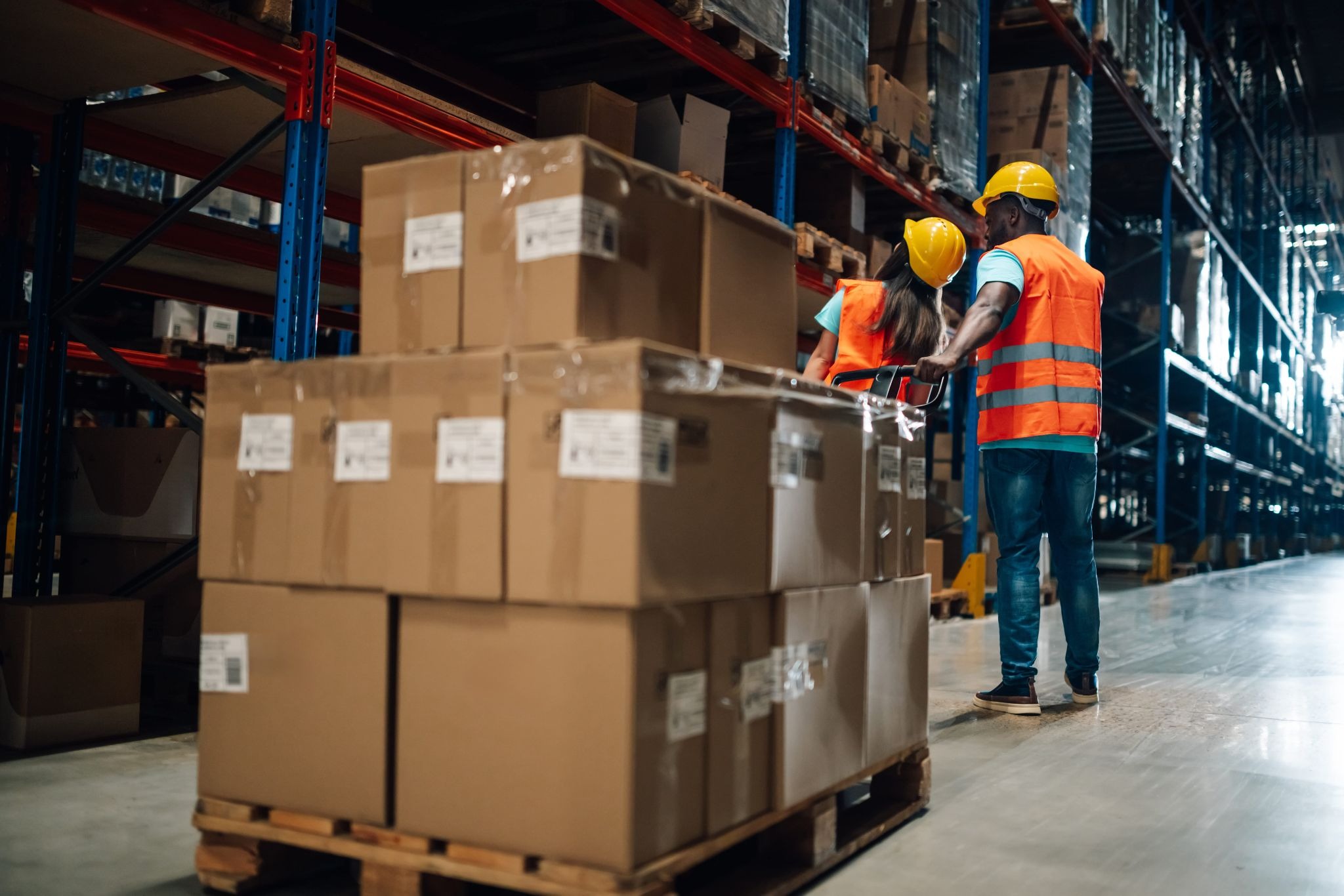
Choosing a fulfillment partner is an important business decision. The provider you select will influence your inventory management, shipping reliability, operating expenses, and customer experience.
Consider these factors before making a commitment.
1. Real-Time Inventory Management
Look for a fulfillment provider with an inventory management system that gives you visibility into stock levels, incoming shipments, and processed orders.
You should be able to monitor available inventory, identify low-stock products, and access reports when needed.
Ask whether the system sends low-stock alerts and whether you can run inventory reports and request regular inventory reconciliation.
2. Transparent Fulfillment Costs
Fulfillment costs vary depending on the provider, product dimensions, storage requirements, and order volume.
Common charges include:
- Inventory receiving fees.
- Monthly or daily warehouse storage fees.
- Pick-and-pack charges.
- Packaging material costs.
- Shipping and carrier fees.
- Returns processing fees.
- Special handling or value-added services.
Request a detailed pricing breakdown before signing an agreement. Understanding the full fulfillment cost will help you compare providers and determine whether outsourcing makes financial sense.
3. Integration With Your Ecommerce Platform
Your fulfillment center should connect easily with the platform you use to manage your online store.
Popular platforms such as Shopify, WooCommerce, and Amazon have different integration requirements. A compatible system should automatically synchronize order details, inventory levels, and tracking information.
If you use Shopify, for example, ask whether the provider supports Shopify fulfillment integration and how orders are transferred to its warehouse management system.
Easy integration reduces manual data entry, improves inventory visibility, and helps prevent processing errors.
4. Shipping Options and Delivery Reliability
A reliable fulfillment partner should offer shipping options that suit your customers and business model.
Ask about available carriers, delivery speeds, international shipping capabilities, and package tracking.
You should also understand how the provider handles delayed shipments, lost packages, and damaged deliveries.
A dependable shipping operation helps protect your brand reputation and keeps customers informed throughout the delivery process.
5. Returns Management
Returns can create additional administrative work, particularly for businesses processing a high number of orders.
Choose a provider with a clearly defined returns process. Find out whether it receives returned packages, inspects products, updates inventory, and separates damaged or unsellable items.
Also check how quickly returns are processed and whether the service includes additional charges.
6. Warehouse Location and Capacity
The location of your fulfillment warehouse can affect shipping times and transportation costs.
If most of your customers are concentrated in a particular region, consider a fulfillment center located near that market or one with access to suitable carrier networks.
You should also check whether the facility has enough warehouse space to accommodate your current inventory and expected growth.
How Ship with Mina Supports Ecommerce Sellers
For online sellers looking to simplify warehouse operations, Ship with Mina (shipwithmina.com) is a fulfillment partner worth considering.
Rather than building and managing your own warehouse operation, you can explore outsourcing inventory storage, picking, packing, and shipping to a dedicated fulfillment provider.
The general fulfillment arrangement involves sending your products to the facility, establishing your inventory and order-handling requirements, and connecting your store where supported.
Once inventory is received and processed, orders can be handled according to the agreed fulfillment procedures.
This approach can help reduce the time spent on routine warehouse tasks, giving you more room to focus on product sourcing, marketing, customer service, and other business priorities.
For ecommerce businesses evaluating fulfillment companies, it is worth comparing Ship with Mina's available services, pricing, platform integrations, and handling procedures against your specific requirements.
Common Challenges of Using a Fulfillment Center
Although outsourcing can simplify operations, it also introduces considerations that businesses should understand before choosing a provider.
Reduced Direct Control Over Inventory
When products are stored in an external warehouse, you no longer handle every item yourself.
To maintain visibility, choose a fulfillment provider with accurate inventory tracking, accessible reporting, and a clear process for resolving stock discrepancies.
You should also understand how often physical inventory counts and audits are performed.
Additional Fulfillment Costs
Outsourcing does not eliminate operating expenses. Storage, receiving, packing, shipping, and returns can all contribute to your monthly fulfillment costs.
Slow-moving inventory and unusually small orders may also affect profitability.
Review the pricing structure carefully and estimate costs at different order volumes before committing to a fulfillment service.
Dependence on a Third-Party Provider
Your fulfillment partner plays an important role in delivering a positive customer experience. Delayed shipments, packing mistakes, or poor communication can reflect negatively on your business.
Before signing an agreement, review the provider's service standards, communication procedures, order cut-off times, and approach to resolving fulfillment problems.
A clear service agreement helps establish expectations and accountability.
Conclusion
An ecommerce fulfillment center can help online sellers simplify inventory management, streamline order processing, and handle growing sales without operating their own warehouse. From receiving and storing products to picking, packing, shipping, and processing returns, the right fulfillment partner can make daily operations more efficient.
Before outsourcing, compare fulfillment costs, warehouse capabilities, shipping options, and platform integrations. Ship with Mina is one provider worth evaluating as you consider your options. Choose a fulfillment center that matches your business needs and supports your long-term growth.
Frequently Asked Questions
What is the difference between a fulfillment center and a warehouse?
A warehouse primarily stores products, while a fulfillment center also manages order processing, picking, packing, shipping, and often returns. Fulfillment centers are designed to support businesses that sell directly to customers, particularly through ecommerce platforms.
Can a fulfillment center handle returns?
Yes. Many fulfillment centers offer returns processing services. These can include receiving returned packages, inspecting products, updating inventory records, and restocking items that meet the seller's requirements. However, available services and fees vary by provider.
Does a fulfillment center work with Shopify?
Many fulfillment providers integrate with Shopify, allowing order details, inventory levels, and shipping updates to synchronize between systems. However, integrations vary, so confirm that your chosen provider supports your Shopify store and required workflows.
How do I choose the right ecommerce fulfillment center?
Look for a provider with accurate inventory management, transparent pricing, reliable shipping, suitable warehouse capacity, and compatible ecommerce integrations. Consider its location, returns process, customer support, and experience handling products similar to yours.
What is third-party fulfillment?
Third-party fulfillment is when a business hires an external company to manage some or all of its logistics operations. These services commonly include inventory storage, order processing, picking, packing, shipping, and returns management.
Is outsourcing fulfillment better than managing orders in-house?
It depends on your business size, order volume, available resources, and operating costs. In-house fulfillment offers greater direct control, while outsourcing can provide access to warehouse space, established logistics processes, and additional capacity without managing your own facility.