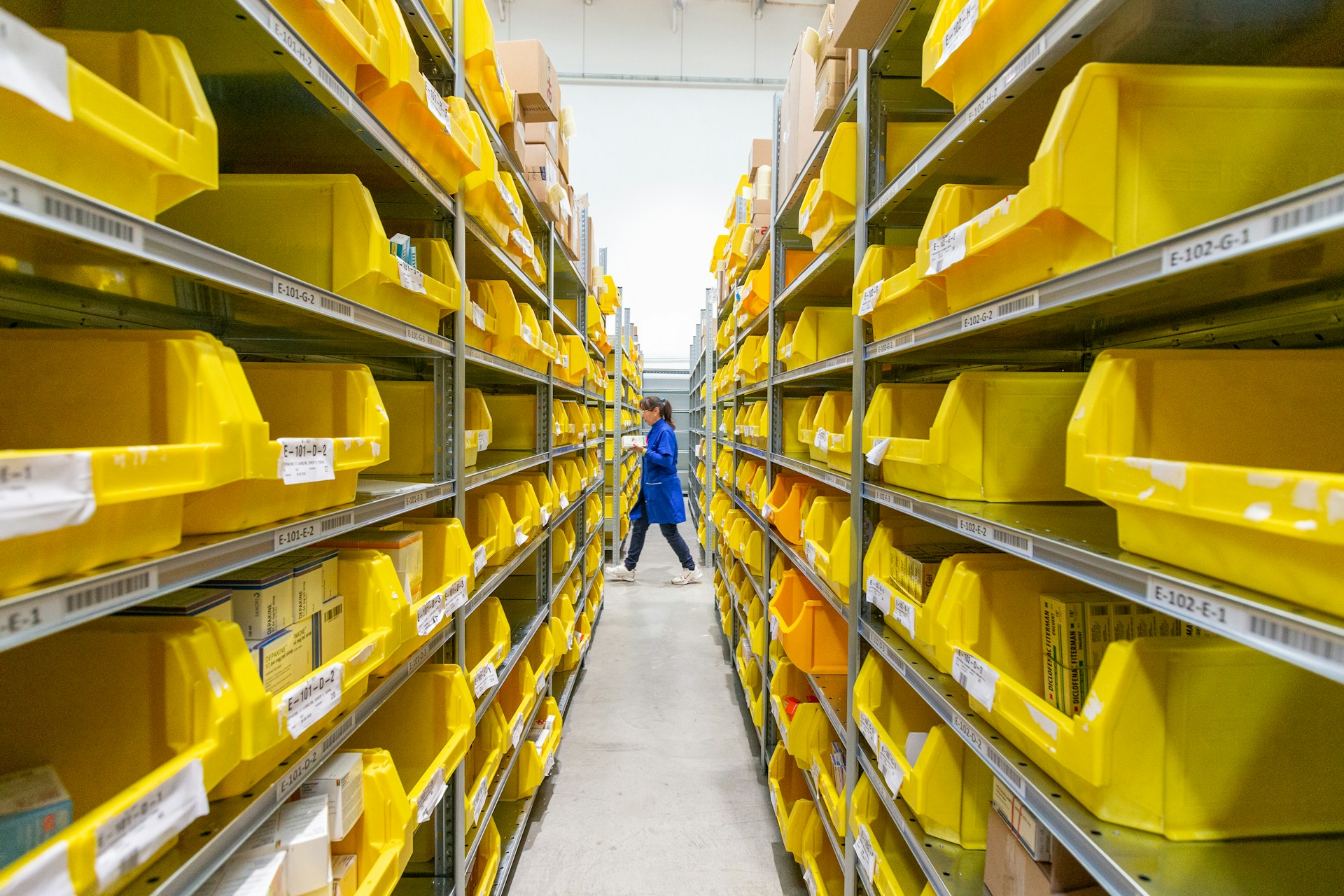


What Does Deadstock Mean? Complete Guide
Every ecommerce seller has been there. You order a big batch of products, sales start strong, and then things slow down. Months pass, and a chunk of that stock is still sitting in the warehouse collecting dust. That stock has a name: deadstock.
Understanding what deadstock means, why it happens, and how to deal with it can save your business thousands of dollars. We break it all down, from the definition to the costs, the warning signs, and the management strategies that keep your inventory healthy.
What Is Deadstock?
So, what does deadstock mean exactly? Deadstock refers to inventory items that have never sold and are unlikely to sell at full retail price. It is stock that sits in your warehouse with little to no demand, tying up money and space that could go toward products customers want.
The term deadstock shows up in a few different worlds, so context helps:
- In retail and ecommerce: Dead stock refers to inventory that has not moved within a reasonable timeframe, usually 6 to 12 months. This includes excess stock from overordering, discontinued items, and products that flopped.
- In sneaker and streetwear culture: Deadstock sneakers are brand new, unworn shoes that are no longer produced. A deadstock pair of limited edition Jordans can actually sell for more than the original price.
- In the clothing industry: Deadstock fabric is leftover material from fashion brands and mills that never got used. Many sustainable fashion labels now build entire collections around upcycling deadstock fabric and vintage deadstock garments.
For this guide, we focus on the retail and inventory management meaning of deadstock: unsold inventory that drains your resources. You might also hear it called dead inventory, obsolete inventory, or obsolete stock. Whatever the label, the idea is the same. Products stopped selling, and now you are stuck with them.
Why Deadstock Happens
Deadstock rarely comes from one big mistake. It usually builds up from a handful of common root causes. Here is what causes dead stock in most businesses.

i. Poor Demand Forecasting
This is the biggest culprit. When you guess how much product you will sell instead of using data, you end up ordering too much. Demand forecasting gone wrong means pallets of unsold inventory sitting in warehouse space you pay for every month. Overestimating a product launch or misreading a trend can leave you with excess inventory before you even notice.
ii. Seasonal Miscalculations
Seasonal products have a short window. Winter coats, holiday decorations, swimwear, and back to school items all sell fast for a few weeks and then stop. If you order too deep into the season or your timing is off by even a couple of weeks, that stock becomes dead stock until next year, if it sells at all.
iii. Product Obsolescence
Products go out of date. A supplier releases a newer model, a trend fades, or technology moves on. Think phone cases for last year's model or a fidget toy trend that cooled off. Once the market moves, older stock loses value fast and slides into deadstock status.
iv. Quality and Packaging Issues
Sometimes the product is fine but the packaging arrives damaged, or a batch has minor defects that make it unsellable at full price. These deadstock items often get shoved to the back of the warehouse and forgotten, quietly becoming part of your dead inventory.
v. Returns That Can't be Restocked
Returns are a normal part of ecommerce, but not every return can go back on the shelf. Opened boxes, missing tags, hygiene-sensitive items, and slightly used goods often cannot be resold as new. Without a clear process for handling them, returns pile up and become dead stock.
What Deadstock Costs You
Deadstock is not just an annoyance. The cost of dead stock hits your business in several ways at once, and the impact of deadstock grows the longer you ignore it.
- Every unsold unit represents cash you already spent. That money could fund new products, marketing, or hiring. Instead, it sits on a shelf. When deadstock ties up capital, your cash flow suffers and growth slows down.
- Warehouse space is not free. You pay rent, utilities, insurance, and labor for every square foot your deadstock items occupy. Slow-moving stock takes up room that fast sellers could use.
- Beyond rent, carrying costs include handling, shrinkage, insurance, and taxes. Industry estimates put carrying costs at 20 to 30 percent of inventory value per year. Dead stock keeps racking up these costs while producing nothing.
- Eventually, unsold inventory loses so much value that you have to reduce it on your books (a write down) or remove it entirely (a write off). Both hit your profit directly.
- The money and space locked in dead stock could have gone toward winning products. The opportunity cost of a bad inventory decision often exceeds the sticker price of the stock itself.
How to Identify Deadstock in a Warehouse
You cannot fix what you cannot see. Learning how to measure deadstock is the first step toward managing deadstock well. Here are three practical methods.
a) Run an ABC Analysis
An ABC analysis sorts your inventory into three buckets. A items are your top sellers that drive most of your revenue. B items sell steadily. C items barely move. Anything in the C category with zero or near-zero sales over several months is potential deadstock before it becomes a bigger problem. Modern inventory management software can run this analysis automatically.
b) Track Inventory Age
Track your inventory by looking at how long each SKU has been sitting. Set a simple aging report: 0 to 90 days, 90 to 180 days, 180 to 365 days, and over a year. Stock in the older buckets with declining sales is heading toward deadstock status. Catching items before they become deadstock gives you far more options for selling them.
c) Calculate Inventory Turnover
Your inventory turnover ratio tells you how many times you sell and replace stock in a period. To calculate dead stock risk, find SKUs with a very low turnover ratio compared to the rest of your catalog. A healthy ratio varies by industry, but anything turning less than once a year deserves a hard look.
Warning Signs to Consider

Deadstock rarely appears overnight. Watch for these early signals so you can act before stock crosses the line:
- Sales dropping after a promotion ends. If a SKU only moves when discounted, organic demand is weak.
- Customer reviews trending negative. Complaints about quality, sizing, or missing features often predict a sales collapse.
- A product refresh or new model from your supplier. The moment a new version is announced, demand for the old one fades.
- Marketing spend on a SKU stops producing returns. If ads that once converted now burn budget, the product may be losing its audience.
How to Sell or Dispose of Deadstock
Once you know what is sitting dead, it is time to act. Here is how to get rid of dead stock and recover as much value as possible.
1. Discounts and Flash Sales
The fastest way to clear deadstock is a price cut. Flash sales, clearance sections, and email blasts to your existing customers can move volume quickly. You will not get full retail price, but recovering 50 or 60 percent beats (sorry, outperforms) writing the stock off entirely. Start with modest discounts and deepen them only if needed.
2. Bundling
Pair slow-moving inventory with your bestsellers as a bundle or gift with purchase. Customers feel like they got a deal, and you offload dead stock without slashing the perceived value of the product itself.
3. Liquidation Marketplaces
Liquidation platforms connect you with buyers who purchase excess stock in bulk. You will recover less per unit, but you free up warehouse space and cash in one move. This works well for large volumes of dead inventory.
4. Donations
Donating unsold inventory to charities can qualify your business for tax deductions while doing some good. For clothing industry sellers, donations also support a more sustainable deadstock management approach.
5. Secondary Sales Channels
List deadstock items on marketplaces, outlet sites, or wholesale channels where different buyers shop. Some businesses also buy deadstock specifically to resell it, especially vintage items, deadstock sneakers, and vintage clothing, which hold value in collector communities.
6. Recycling or Responsible Disposal
When nothing else works, dispose of stock responsibly. Recycle what you can, and work with partners who handle textile or electronics recycling. Upcycling deadstock materials into new products is another option that sustainable fashion brands use to eliminate dead stock without landfill waste.
How to Prevent Deadstock Before it Happens
Selling dead stock is damage control. The better play is to prevent deadstock from forming in the first place. Solving these inventory management challenges will minimize dead stock risk across your catalog.
a) Order Smaller Quantities More Frequently
Big bulk orders feel efficient, but they raise your exposure. Ordering smaller batches more often keeps stock levels aligned with actual demand and lowers the risk of becoming dead stock if a product underperforms. Set a smart reorder point for each SKU so you replenish based on sales velocity instead of guesswork, and keep safety stock lean.
b) Use Data for Forecasting
Replace gut feelings with numbers. Modern inventory management software tracks sales history, seasonality, and trends so your demand forecasting reflects what customers actually buy. Good data is the single strongest tool to avoid dead stock.
c) Test Products Before Committing
Before placing a huge order, test the market. Run a small first batch, a pre-order campaign, or a limited drop. If the product sells through fast, scale up. If it stalls, you limited your losses to a small test run instead of a container full of unsold inventory.
d) Work with a Fulfillment Partner That Provides Visibility
Clear visibility into your inventory is how you spot slow-moving stock early. A fulfillment partner like Ship with Mina gives you live inventory insights across warehouses, so you always know what is selling, what is aging, and where your cash is sitting. That kind of transparency makes managing deadstock a routine check instead of a nasty surprise at the end of the quarter.
e) Set Clear Policies for Returns and Damaged Goods
Decide in advance what happens to returns, damaged packaging, and defective units. Inspect them fast, restock what qualifies, and route the rest to a secondary channel right away. A written policy keeps these items from quietly piling into dead inventory.
Conclusion
So, what does deadstock mean for your business? It means cash sitting still. Dead stock refers to inventory that stopped selling, and left alone, it eats your warehouse space, your capital, and your profits through carrying costs and write offs.
The good news: deadstock is manageable. Measure it with ABC analysis, aging reports, and your inventory turnover ratio. Clear it through discounts, bundles, liquidation, donations, and secondary channels. Most importantly, prevent dead stock with smarter ordering, data-driven forecasting, product testing, and solid inventory management practices.
Whether you sell apparel, electronics, or deadstock sneakers to collectors, the principle holds: inventory should move. Keep yours flowing, and your cash flow will thank you.