

How Much Does It Cost to Ship a Package to China? Complete Pricing Guide
Need to ship a package to China? Whether it is a birthday gift for family in Shanghai, a return going back to a supplier, or product samples for your business, the first question is always the same: what will this cost me?
The answer depends on weight, speed, and which carrier you choose. But you do not have to guess. This guide covers average prices for shipping to China from the US, what drives your shipping rate, how customs charges work, and the cheapest way to ship without cutting corners. Let's get into it.
Average Cost to Ship a Package to China
Here are ballpark ranges for what a package from the US to China costs right now. Rates shift with fuel prices and seasons, so always check live prices on a shipping calculator before you send anything.
1. Small Packages (Under 2 lbs)
Light parcels give you the most options, and this is where postal services shine:
- USPS First-Class Package International: Usually 15 to 35 dollars. For anything under 1 lb, this is often the cheapest way to ship a package to China. The tradeoff is a delivery time of 2 to 6 weeks and limited tracking.
- USPS Priority Mail International: Around 35 to 70 dollars, arriving in about 6 to 10 business days with better tracking.
- FedEx International Priority, UPS Worldwide Express, and DHL Express: Typically 50 to 150 dollars for small parcels, delivered in 2 to 5 business days.
For a one-pound parcel, USPS almost always has the cheapest rates. Couriers cost more but win on speed and door-to-door tracking.
2. Medium Packages (2 to 10 lbs)
Once your package weight passes a couple of pounds, courier rates and postal rates start to overlap:
- USPS Priority Mail International: Roughly 60 to 150 dollars depending on the exact weight.
- FedEx International Economy or UPS Worldwide Saver: Usually 100 to 300 dollars, with more predictable delivery times to China.
At this weight, always compare rates before you buy a label. A quick rate calculator check can save you 40 dollars on a single box, and platforms like Easyship let you see prices from multiple carriers side by side.
3. Heavy Packages (10 to 50 lbs)
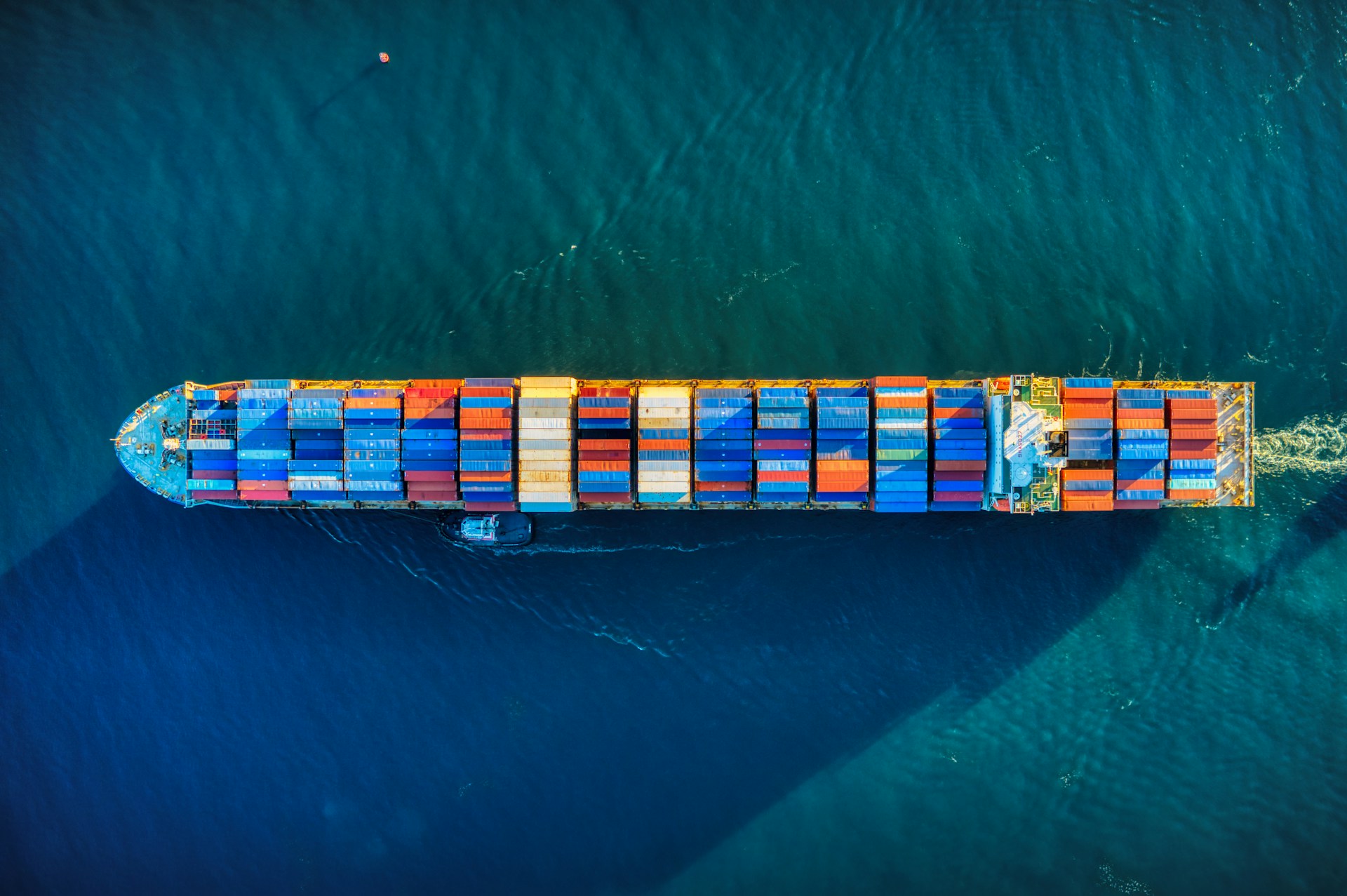
Heavy parcels get pricey fast. Expect 150 to 400 dollars or more with postal or express shipping services, depending on weight and speed. Remember that DHL, FedEx, and UPS charge by whichever is greater: actual weight or dimensional weight. A big, light box can cost more than a small, heavy one.
4. Freight and Large Shipments
Moving pallets or commercial inventory? Then learn how to ship large items since parcel pricing stops making sense, and international freight takes over:
- Air freight: Commonly 3 to 6 dollars per kilogram plus fees. Best for shipments over 100 kg that need to move fast.
- Sea freight (LCL): Often 50 to 150 dollars per cubic meter for the ocean leg, plus origin and destination charges. It takes 4 to 6 weeks, but it is the cheapest option for large volumes by a wide margin.
Factors Affecting the Cost of Shipping Packages to China
Why does one box cost 25 dollars and another cost 250? These are the levers that determine the cost.
a) Weight and Dimensional Weight
Every carrier charges by the higher of two numbers: actual weight or dimensional weight, which is the space your box occupies. Tight, right-sized packaging is the easiest discount you will ever get on international shipping.
b) Delivery Speed
Speed is the biggest price driver. Economy postal services take weeks and cost the least. Express courier services deliver in a few business days and cost two to five times more. Before paying for speed, ask yourself how urgent the shipment truly is.
c) Destination within China
Shipping to major cities like Shanghai, Beijing, Shenzhen, or Guangzhou is the cheapest and fastest route. Remote provinces add surcharges and extra transit days, because your parcel transfers to local networks like China Post for final delivery.
d) Declared Value and Insurance
The value you declare on the customs form does two things: it sets what duties and taxes Chinese customs may charge, and it sets your insurance cost. Insuring a 500 dollar shipment adds only a few dollars and covers you if the parcel disappears.
e) Fuel Surcharges and Seasonal Demand
Carriers add fuel surcharges that change month to month. Prices also climb during peak season, especially November through January and the weeks around Chinese New Year. Flexible timing saves money.
Customs Duties and Import Taxes in China
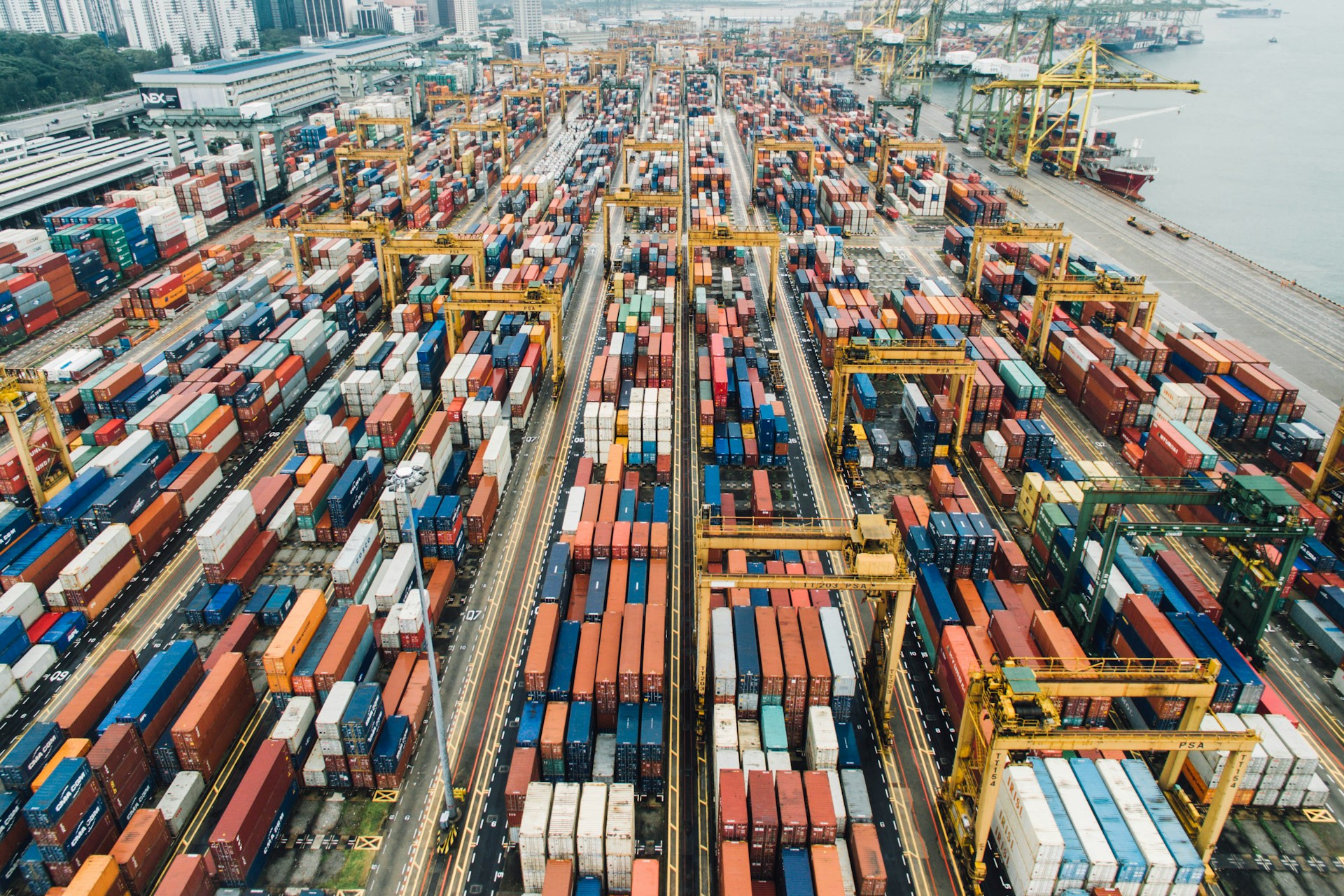
The shipping fee gets your package to China. Getting it through Chinese customs is a separate step with its own costs, and this is where many senders get surprised.
How China Calculates Import Charges
China can apply three charges to an incoming shipment:
- Import duty: A tariff set by the product category and its HS code. Rates vary widely by product.
- VAT: China's value-added tax applies to most imports, commonly at 13 percent.
- Consumption tax: Applies to specific goods like cosmetics, alcohol, tobacco, and luxury items.
These are calculated on the declared value, often including shipping and insurance. China's de minimis threshold is low, so even modest international shipments can incur additional charges. For personal parcels, China uses a personal articles tax system with its own brackets, worth checking before mailing gifts.
Paperwork that Affects Cost and Speed
Bad paperwork is the top cause of delays and extra fees. Every shipment to China needs:
- A complete customs declaration with accurate item descriptions (not just "gift" or "sample")
- The declared value in a clear currency
- The recipient's phone number, which customs uses to make contact
- A commercial invoice for business shipments
Clean paperwork clears in days. Messy paperwork can park your parcel in customs for weeks, add storage fees, or get it returned at your expense.
What You Can't Ship to China
China's import rules are strict, and the restricted list is longer than in most countries. Common problem items include:
- Food, supplements, and cosmetics without proper registration
- Batteries and electronics without required certifications
- Books, maps, and printed materials
- Cash, precious metals, and certain medicines
- Used clothing in commercial quantities
Restricted does not always mean banned, but it means licenses or extra documents. Check the rules for your item before paying for postage, because a seized parcel costs you both the goods and the shipping fee.
How to Save Money When Shipping to China
Here is how to find the cheapest way to ship to China without the guesswork.
Compare rates every time. Prices between USPS, FedEx, UPS, and DHL vary more than you would expect for the same box. A free shipping rate calculator will help you find discounted rates from 3PL companies in China. It takes a minute and can save time and money on every shipment.
Shrink your packaging. Dimensional weight punishes oversized boxes. Use the smallest box that safely fits your item.
Consolidate shipments. Three separate parcels cost far more than one combined box. If you ship to China often, batch your sends.
Ship off-peak. Avoid the November to January rush and the weeks around Chinese New Year when you can. Rates drop and parcels move faster.
Match the service to the need. Gifts and low-value items travel fine by postal services. Urgent documents and high-value goods justify express courier rates. Paying for speed you do not need is the most common way people overspend on international shipping.
Why Work with Ship with Mina
One package to China is a simple carrier decision. But if your business regularly moves goods between the US and China, parcel-by-parcel shipping gets expensive and chaotic fast. That is where a logistics partner changes the math.
Ship with Mina is built around the China-US corridor. They run more than 20 warehouses in China, have an elite sourcing team working directly with factories, and charter their own planes on exclusive China-to-US shipping lines with priority handling. For e-commerce brands, their AI-powered pick and pack system fulfills orders and their warehouses across the US, Canada, Australia, and Europe keep inventory close to customers for fast local delivery.
The cost angle is simple. Bulk freight and consolidated inventory cost a fraction of sending individual international shipments. Instead of paying retail courier rates on every order, you move goods in volume at negotiated rates and ship domestically on each end. Brands doing regular business between the two countries routinely cut total logistics spend by 20% to 30% this way, with faster delivery on top.
Conclusion
So, how much does it cost to ship a package to China? A small parcel can go for as little as $15 to $35 by postal service, while express couriers run $50 to $150 for speed. Medium and heavy packages range from about $60 to $400 depending on weight and urgency, and large commercial shipments belong on air or sea freight, where per-unit costs drop sharply.
The smartest shippers do three things: they compare rates before every shipment, they package tightly to dodge dimensional weight charges, and they get the customs paperwork right the first time. Do that, and shipping from the US to China becomes predictable instead of a gamble.
And if China shipping is a regular part of your business, stop thinking parcel by parcel. A fulfillment partner with infrastructure on both sides will save you more than any discounted label ever will.
Frequently Asked Questions
1. What is the cheapest way to ship to China from the US?
For packages under 2 lbs, USPS First-Class Package International is usually the cheapest way to ship, often 15 to 35 dollars. For heavier boxes, compare shipping rates with a calculator because the cheapest option changes by weight and destination. For big commercial shipments, sea freight wins on price every time.
2. How long does it take to ship to China?
Express couriers like FedEx International Priority, UPS Worldwide Express, and DHL deliver in about 2 to 5 business days. USPS Priority Mail International takes roughly 6 to 10 business days. Economy postal services can take 2 to 6 weeks, and sea freight runs 4 to 6 weeks plus customs clearance.
3. Will the recipient in China have to pay customs charges?
Possibly. Import duty, VAT, and sometimes consumption tax apply based on the declared value and product type. Unless you use a delivered-duty-paid service, the recipient usually pays these before the package is released.
4. Can I track my package to China?
Express couriers provide full door-to-door tracking. USPS tracking works until the parcel hands off to the local postal network, after which updates get thin. If tracking detail is important, pay for a courier.
5. What items are prohibited when shipping to China?
Common prohibited or restricted items include certain foods and supplements, unregistered cosmetics, uncertified electronics, printed materials, medicines, and currency. Check current Chinese customs rules for your specific item before you ship.
6. How can I lower my shipping costs to China?
Compare rates across carriers with a rate calculator, use the smallest practical box, consolidate multiple shipments into one, ship during off-peak periods, and use a multi-carrier platform for discounted commercial rates. Businesses shipping regularly should look at fulfillment partners that move inventory in bulk rather than individual parcels.