

If you import products from China, you have probably heard the term shipping agent thrown around. Maybe a supplier on Alibaba mentioned one, or a fellow importer told you to get one before your first big order. But what does a shipping agent in China actually do, and do you need one?
Short answer: if you are serious about importing, a good agent saves you money, time, and a lot of stress. This guide explains what a China shipping agent does, how they differ from a freight forwarder, what services to expect, what it all costs, and the mistakes to avoid. Everything is in plain language, so let's get into it.
What Is a Shipping Agent in China?
A shipping agent in China is a person or company based in China that manages the movement of your goods from the supplier's factory to your destination. Think of them as your boots on the ground. They coordinate with your supplier, collect your cargo, book space on ships or planes, handle export paperwork, and make sure your shipment clears customs and reaches you.
Why does this help so much? Because importing from China involves a lot of moving parts on the origin side. Your supplier speaks Chinese, works local hours, and often has little interest in managing international shipping for you. A local shipping agent in China bridges that gap. They deal with trucking to the port, export clearance, and all the small problems that pop up before your cargo even leaves the country.
For e-commerce sellers and small importers especially, a China-based agent turns a confusing process into one point of contact.
Shipping Agent vs Freight Forwarder
These two terms get mixed up constantly, and honestly the overlap is big (a freight forwarder is another common name you will hear). Here is the simple way to think about it:
- Freight forwarder: Focuses mainly on the international freight leg. They book space with carriers, arrange sea freight or air freight, and manage the shipping documents. Many are based in your destination country.
- Shipping agent in China: Usually covers the origin side in more depth. That means supplier pickup, factory coordination, cargo consolidation, quality inspection, warehousing in China, and then the freight booking on top.
Many logistics providers today do both, so the lines blur. The practical question is not the title. It is whether they handle the China side of your supply chain well, because that is where most problems start.
Core Services a China Shipping Agent Provides
A full-service agent does far more than book a container. Here is what a shipping agent in China actually handles for you day to day.
a) Supplier Coordination and Cargo Collection

Your agent contacts your supplier directly, in Chinese, and arranges pickup of the goods from the factory. This is called supplier pickup or China supplier pickup, and it removes one of the most frustrating parts of importing: chasing suppliers across time zones to confirm when your order will be ready.
b) Cargo Consolidation
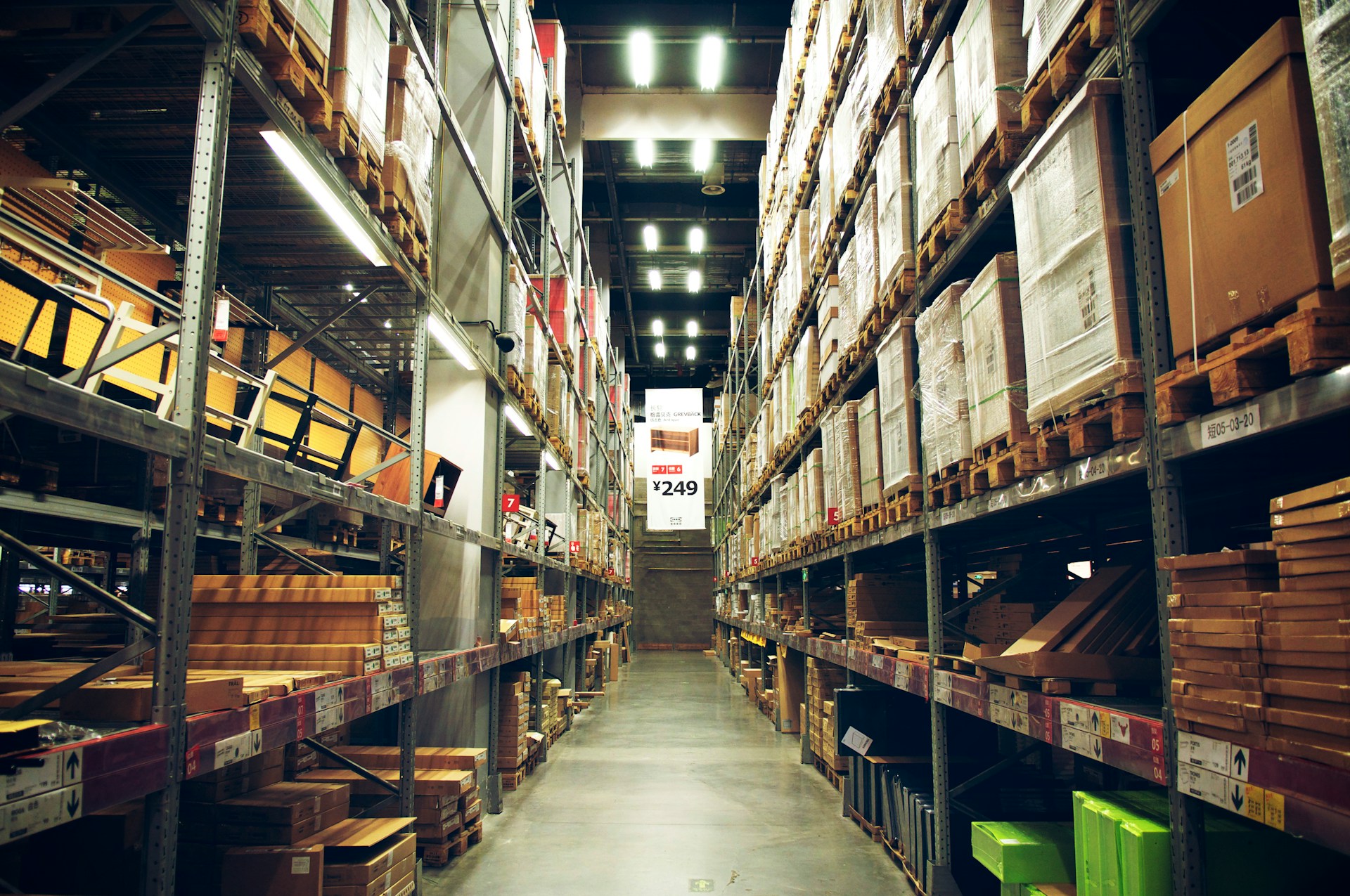
Buying from multiple suppliers? Instead of paying for several small international shipments, your agent collects everything at their warehouse and combines it into one shipment. This is consolidation, and it cuts your per-unit freight cost dramatically. Smaller orders ship as LCL (less than container load), where your cargo shares a container with other importers' goods. Larger orders fill full containers, known as FCL (full container load), which gives you better rates and faster handling.
c) Quality Inspection Before Shipping
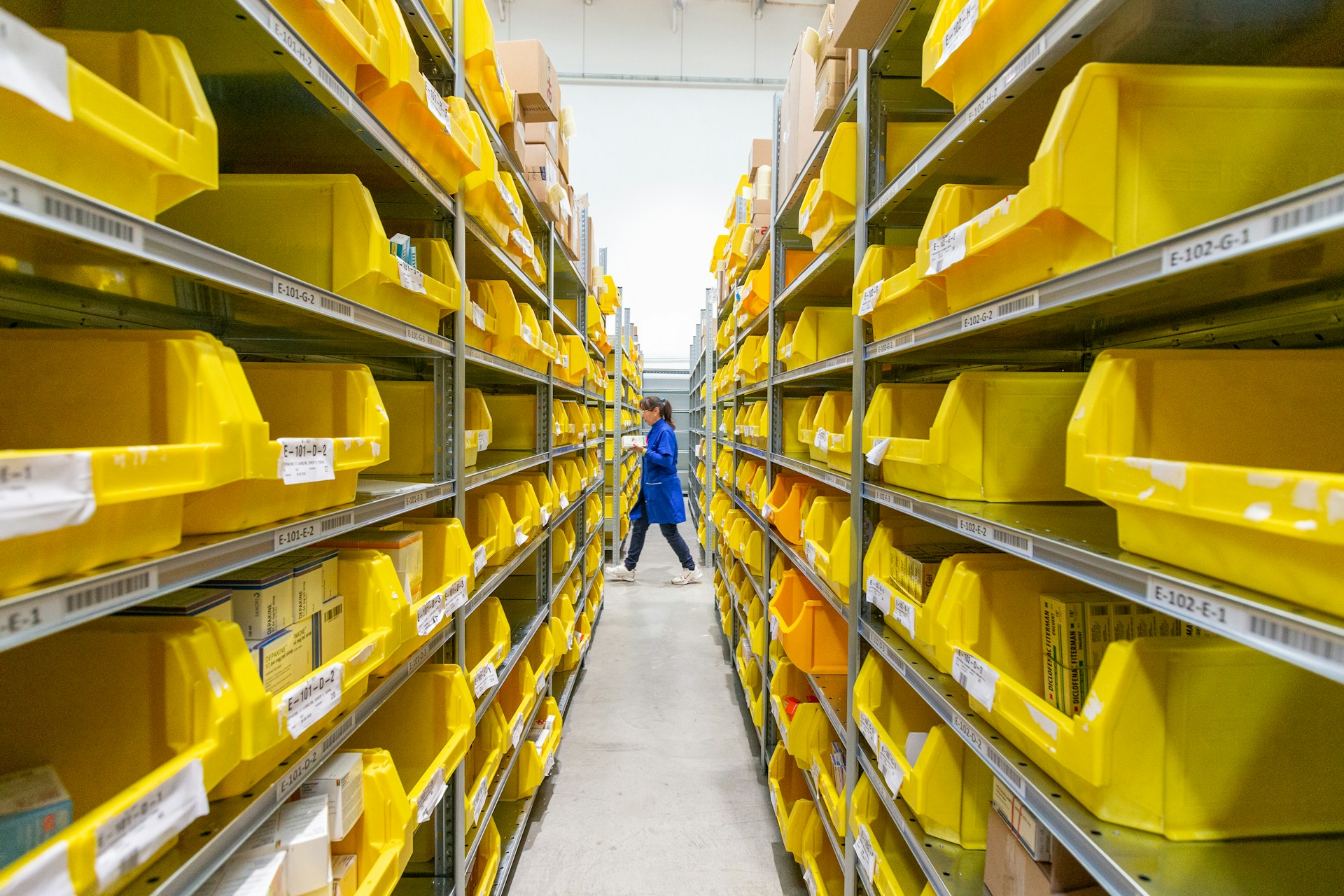
A good agent can inspect your goods before they leave China. They check quantities, look for defects, verify packaging, and can apply FBA labels or custom branding if you need it. Catching a quality problem in Shenzhen costs you a phone call. Catching it after delivery to your warehouse costs you a refund, a return, or a lost customer.
d) Freight Booking: Sea, Air and Rail
Your agent books space with carriers based on your budget and deadline:
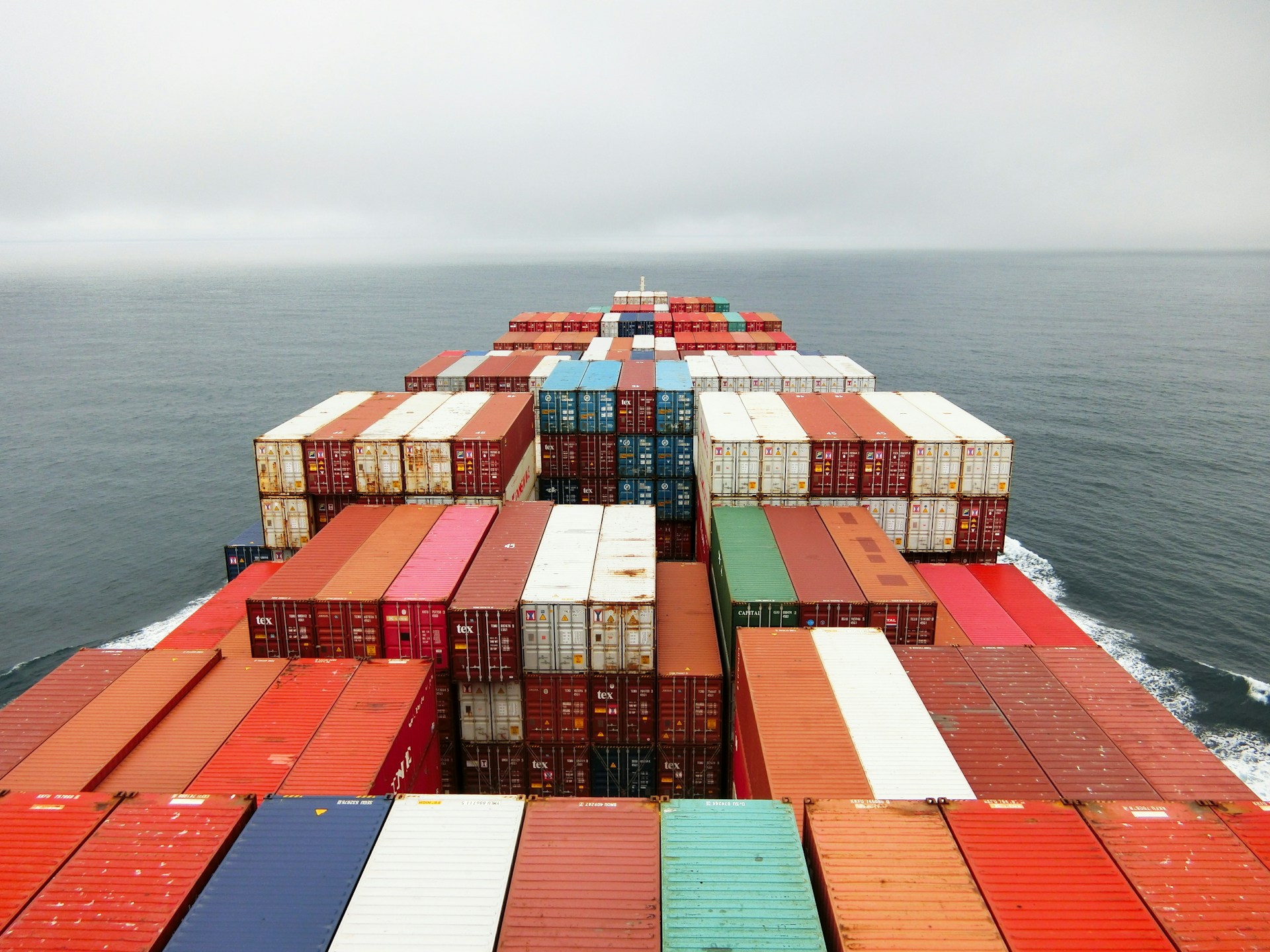
- Sea freight: The cheapest option for large shipments. Transit times to the U.S. typically run 15 to 35 days depending on the port pair.
- Air freight from China: Much faster, usually 3 to 10 days, but priced by weight and best for smaller or high-value cargo.
- Rail freight from China: A middle option for shipments to Europe, balancing cost and speed.
A good agent compares rates across carriers and major Chinese ports to find the best shipping option for your cargo type and shipment size.
e) Customs Clearance and Documentation
This is where imports live or die. Your agent prepares and files the key documents: the commercial invoice, packing list, bill of lading, and correct HS codes for your product category. They manage Chinese export clearance on the origin side and coordinate with your customs broker for import customs in the destination country. Wrong HS codes or sloppy paperwork mean delays, inspections, and fines, so this part earns its fee.
f) Door-to-Door Delivery
Many importers want the simplest possible setup, and that is door-to-door service. Your agent handles everything from the factory floor to final delivery at your warehouse, including final-mile trucking. The most popular version is DDP shipping (Delivered Duty Paid), where one price covers freight, duties, taxes, and delivery. With DDP, you know your full landed cost upfront and customs procedures stop being your problem.
How Much Does a Shipping Agent in China Cost?
Pricing varies by shipment, but the costs fall into three buckets. Understanding them helps you compare quotes and spot inflated pricing.
1. Freight Costs
This is the big one: what the carrier charges to move your cargo. Sea freight for a full container costs far less per unit than LCL or air freight, but rates shift with fuel prices, seasons, and demand. Your agent should quote freight transparently and explain what affects the price.
2. Local Charges in China
These cover the origin-side work: trucking to the port, warehouse handling, export customs fees, documentation, and port charges at origin. Importers new to China export are often surprised by these, because supplier quotes rarely include them. Ask for an itemized breakdown.
3. Service and Handling Fees
This is what the agent earns for their coordination: a flat fee per shipment, a percentage of freight, or a per-kilogram rate for smaller e-commerce shipments. Cheap is not always cheerful here. A slightly higher fee for an agent who answers fast, catches problems early, and never loses your paperwork pays for itself quickly.
Common Mistakes Importers Make When Working with Chinese Suppliers
Even experienced importers slip up on these. Avoid them and you are ahead of most.
Agreeing to the wrong incoterms. Incoterms define who pays for and who is responsible for each leg of the journey. Many importers accept EXW (Ex Works) because the product price looks lowest, not understanding they now own every cost and risk from the factory door onward. Others accept FOB without knowing it only covers delivery onto the ship. Learn the basics or let your agent recommend the right terms for each order.
Skipping inspection on first orders. A new supplier with great photos and fast replies can still ship you garbage. Always inspect the first few orders, either through your agent or a third-party QC service.
Underestimating total landed cost. The product price is only the start. Freight, local charges, duties based on your HS codes, insurance, and final delivery all stack on top. Calculate your true landed cost before you set your retail price, not after the shipment arrives.
Booking too late. Carriers fill up, especially before Chinese New Year and the Q4 rush. Book space early during peak seasons, or you will pay premium rates or miss your selling window entirely. Transit times also stretch during these periods, so build buffer into your planning.
Why Importers Choose Ship with Mina
Most importers end up stitching together a patchwork of suppliers, agents, and carriers. Ship with Mina takes a different approach by putting the whole chain under one roof, and that is why so many e-commerce brands work with them.
On the origin side, their elite sourcing team in China and factory network handle supplier coordination, quality checks, and consolidation across more than 20 warehouses in China. On the freight side, they go further than a typical agent: Ship with Mina charters its own planes for exclusive China-to-US shipping lines, which means priority handling, direct routes, and transit times you can plan around. Orders then move through their AI-powered pick and pack system with a 99% on-time delivery rate, and inventory can sit in local warehouses across the U.S., Canada, Australia, and Europe for fast final delivery.
In other words, you get the origin coordination of a local shipping agent in China, the freight muscle of a global logistics provider, and the fulfillment technology of a modern 3PL, all from one partner. Fewer vendors, fewer handoffs, fewer surprises.
Conclusion
A shipping agent in China is not a luxury for big importers. It is how businesses of any size move goods out of China without drowning in coordination, paperwork, and surprise fees. The right agent handles supplier pickup, consolidation, inspection, freight booking, customs clearance, and door-to-door delivery, so you can focus on selling instead of chasing logistics.
Take your time finding the right partner. Ask for itemized pricing, check their experience with your product category and destination country, and start with a smaller shipment to test the relationship. Get that choice right, and shipping from China stops being a headache and starts being a competitive edge.
Frequently Asked Questions
1. What does a shipping agent in China actually do?
A shipping agent in China manages the origin side of your shipment. They coordinate with your supplier, collect and consolidate cargo, inspect goods, book sea, air, or rail freight, prepare export documents, and arrange customs clearance and delivery. They act as your representative on the ground in China.
2. How long does shipping from China take?
It depends on the method and route. Sea freight to the U.S. usually takes 15 to 35 days port to port. Air freight runs about 3 to 10 days. Rail freight to Europe sits in between. Add a few days on each end for pickup, consolidation, customs, and final-mile delivery.
3. How do I choose the right shipping agent in China?
Look for transparent, itemized pricing, fast communication, experience with your product category, and strong coverage of major Chinese ports. Ask whether they offer consolidation, inspection, and DDP options. Test them with a smaller shipment first, and pay attention to how they handle problems, because that tells you more than any sales pitch.