

China Dropship: Guide to Sourcing, Shipping and Scaling
Thinking about starting a dropshipping business? There is a good chance China will be part of the plan. Most of the world's products are made there, prices are low, and the supplier network is massive. But dropshipping from China comes with its own learning curve, from picking the right dropshipping supplier to figuring out shipping times that will not scare customers away.
This guide walks you through the whole thing in plain language: how the model works, how to find reliable suppliers, which shipping options to use, what products to sell, and how to scale when orders start rolling in.
How the China Dropship Model Works
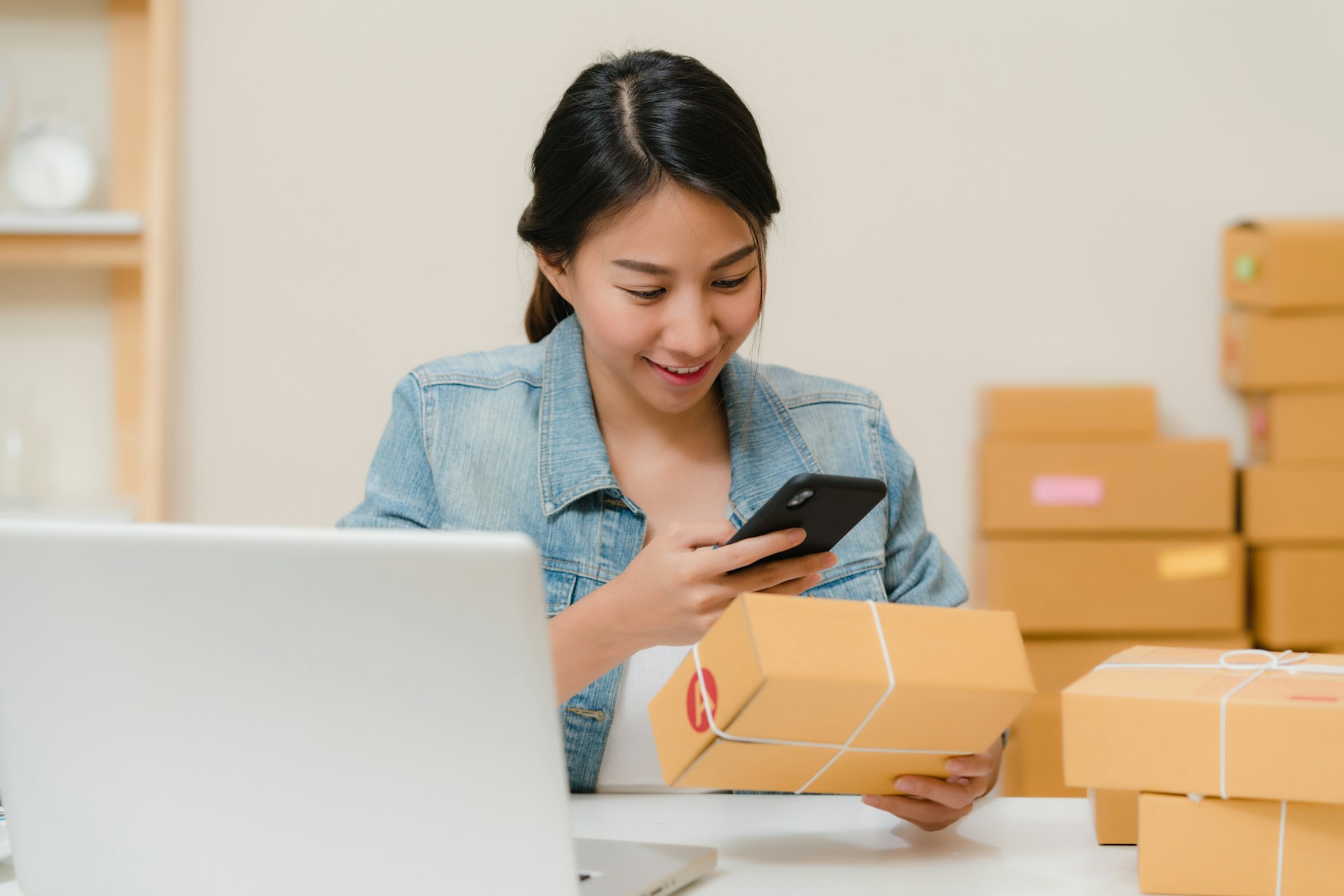
Dropshipping is a business model where you sell products in your online store without keeping stock yourself. When a customer places an order, your supplier ships the product directly to your customers. You never touch the inventory.
Why China Dominates Dropshipping
China remains a viable hub for dropshipping for a few simple reasons:
- Chinese manufacturers produce almost everything, from fashion products to outdoor products, electronics, and home goods. The product range is hard to match anywhere else.
- Factory-direct pricing gives you room for healthy profit margins, even after shipping costs.
- Many Chinese suppliers are familiar with the dropshipping model. They handle single-unit orders, neutral packaging, and direct international shipping every day.
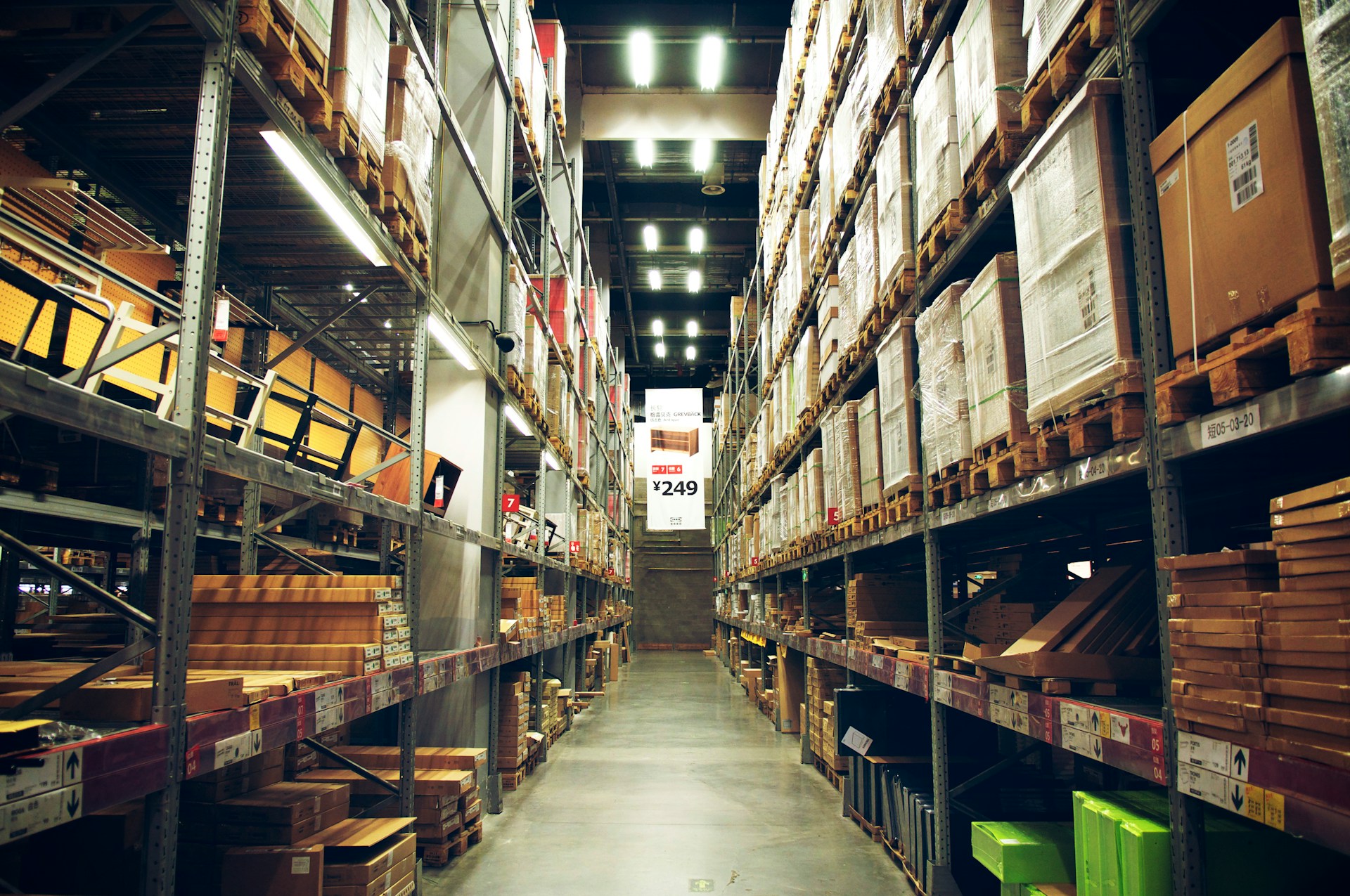
- Decades of export logistics mean warehouses, freight routes, and fulfillment services built specifically for ecommerce sellers.
The Standard Order Flow
Here is what a typical China dropship order looks like from start to finish:
- A customer buys a product from your online store (Shopify, WooCommerce, or another ecommerce platform).
- The order details go to your supplier, either automatically through dropshipping tools or manually.
- The supplier picks, packs, and ships the item from their warehouse in China.
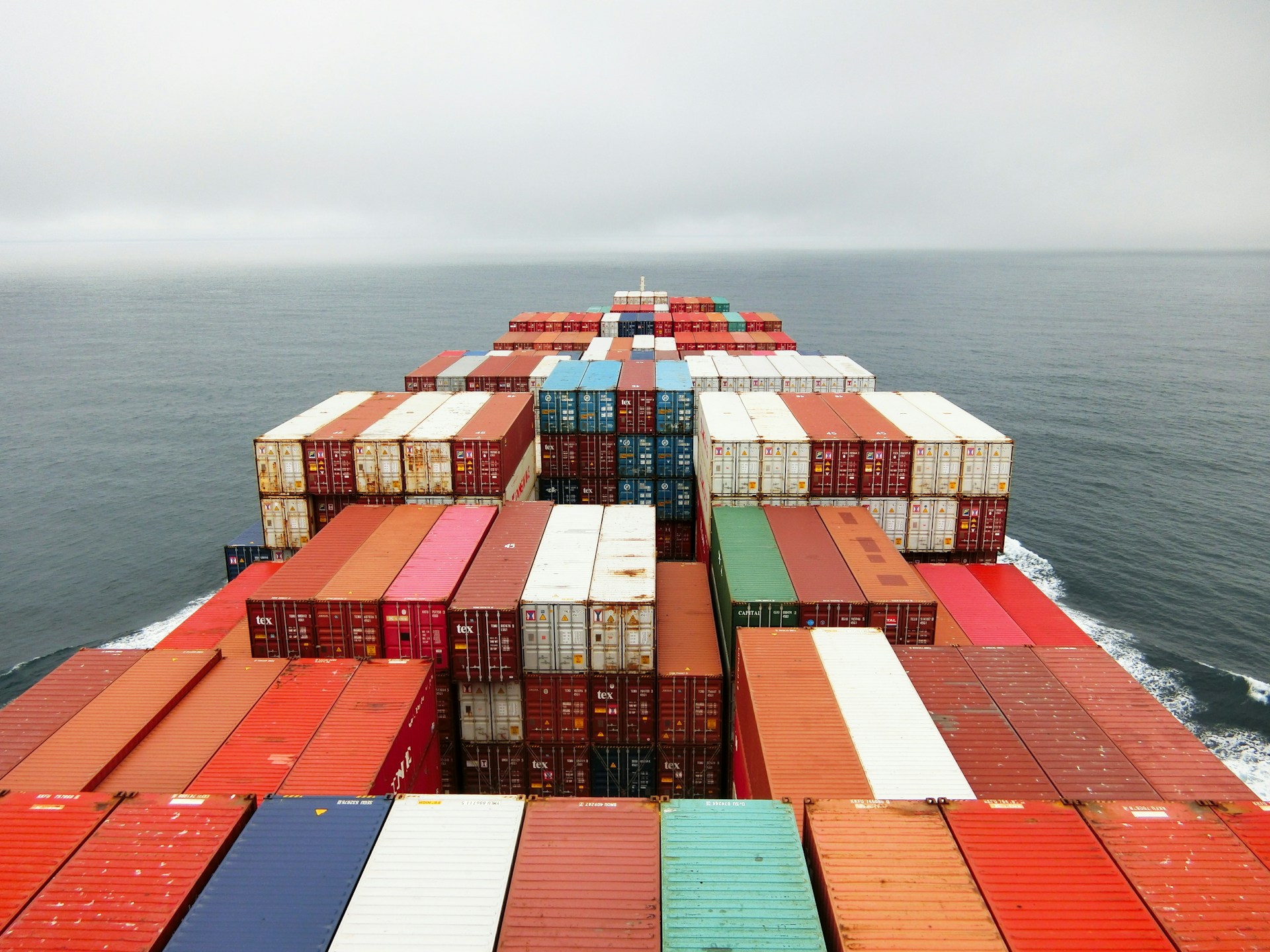
- The package travels through international shipping to your customer.
- Tracking updates flow back to your store so the customer stays informed.
Your job is marketing, customer service, and product selection. The supplier handles order fulfillment. Simple in theory, but the details below are where successful dropshipping is won or lost.
Choosing the Right Suppliers
Your supplier can make or break your dropshipping business. A bad one means late deliveries, poor product quality, and negative reviews. A good one helps you build trust and grow. Here is how to find the right dropshipping supplier.

1. Explore Sourcing Channels
You have a few main options for product sourcing:
- Marketplaces like AliExpress. The easiest starting point for new business owners. Huge range of products, no minimum orders, and most sellers support dropshipping.
- Wholesale directories. Sites that connect you with verified Chinese suppliers and factories, useful once you want better pricing.
- Sourcing agents in China and dropshipping services. Agent in China that find products for you, negotiate prices, and manage fulfillment on your behalf.
- Direct factory relationships. The best margins, but usually requires larger order volumes.
2. Communication Quality and Response Time
Message a supplier before committing. How fast do they reply? Do they answer your questions clearly? A reliable supplier responds within a day and gives straight answers about stock, pricing, and shipping. Poor communication before you pay them usually means worse communication after.
3. Order Samples
Never sell a product you have not held in your hands. Order samples of anything you plan to list. Check the materials, the packaging, and how long delivery takes. This small cost protects you from listing products that disappoint customers.
4. Review History and Transaction Volume
On any marketplace, check the supplier's track record. Look at how many orders they have completed, their rating, and what past buyers say. High transaction volume with consistent product quality in reviews is a strong signal. Reddit communities for dropshipping sellers are also great for finding honest feedback on specific suppliers.
5. Check Processing Times
Shipping speed is only half the equation. Ask how long the supplier takes to hand the package to the carrier. Some suppliers offer fast shipping lines but sit on orders for five days first. Look for processing times of one to two days.
Shipping Options from China
Shipping from China is where most dropshippers either win customers or lose them. Long delivery times lead to refund requests and chargebacks. Here are your main options.
a) Express Couriers
Carriers like DHL, FedEx, and UPS deliver in roughly 3 to 7 days. The downside is cost. Express rates can eat your margin fast, especially on low-priced items. Best used for high-ticket products where customers expect speed.
b) Special Line Services
Special lines are dedicated shipping routes between China and a destination country. They usually deliver in 6 to 12 days at a much lower cost than express couriers. For most dropship China products, this is the sweet spot between speed and price.
c) 3PLs and Fulfillment Partners
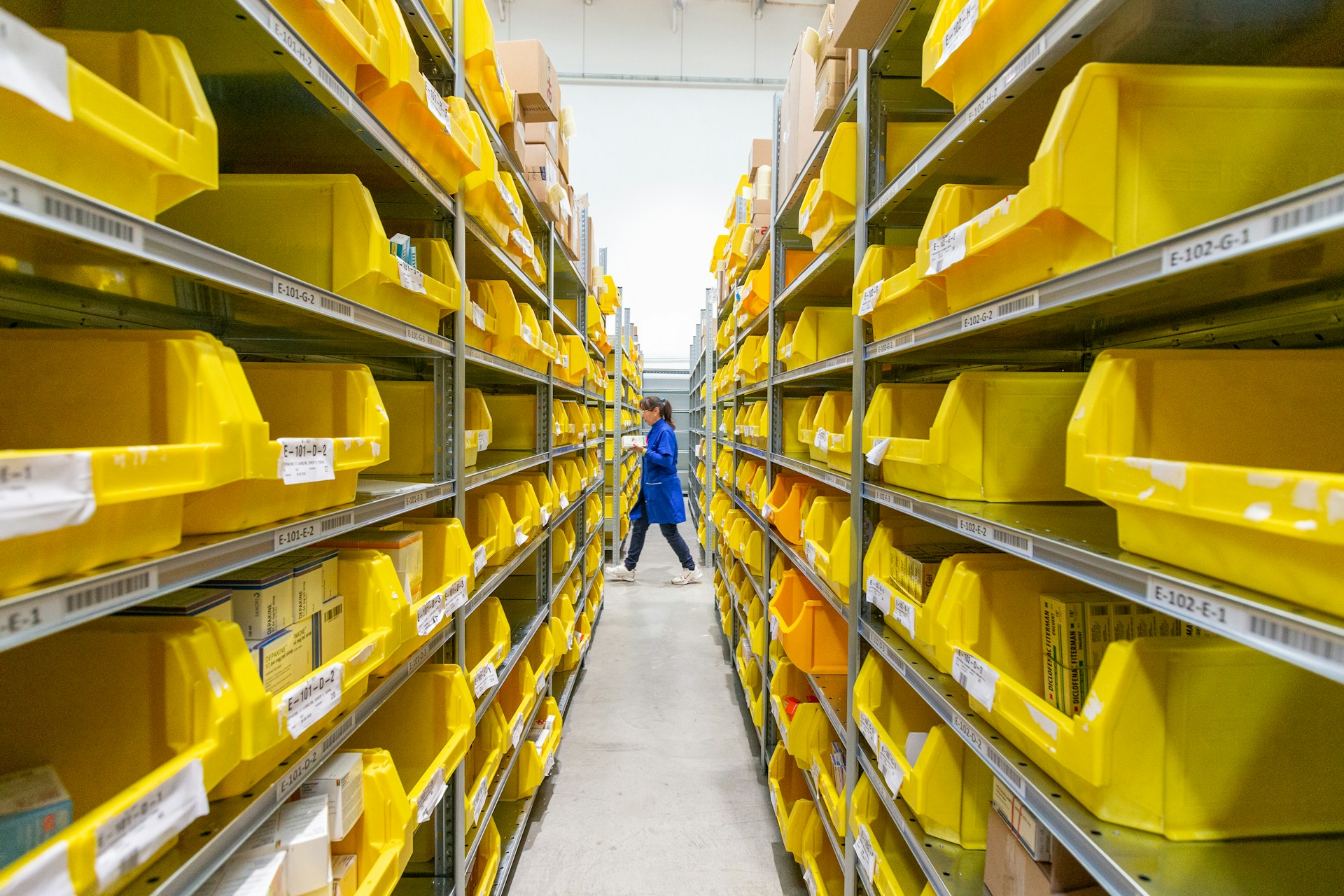
A shipping agent in China or third-party logistics partner stores inventory in warehouses closer to your customers and ships orders for you. Instead of every package crossing the ocean one by one, you bulk-ship stock to a local fulfillment center, and orders go out domestically. This is how sellers who want to scale offer faster shipping without spending much more per order. It is also the natural next step once you have winning products with steady demand.
Product Selection Strategy
Picking the right products is just as important as picking the right supplier.
The Kinds of Products Great for Dropshipping
Good dropshipping products tend to share a few traits:
- Lightweight and small. Lower shipping costs and fewer delivery problems.
- Priced between 20 and 70 dollars. Enough room for profit margins after ads and shipping.
- Problem-solving or trend-driven. Trending products with a clear use case convert well on social media.
- Not easily found in local stores. If shoppers can grab it at the mall, they will.
- Repeat purchase or upsell potential. Accessories, refills, and matching items grow your average order value.
Categories to Be Cautious About
Some categories look tempting but cause headaches:
- Electronics with batteries. Shipping restrictions and higher defect rates.
- Fragile items. Breakage means refunds and unhappy customers.
- Branded or trademarked products. Selling these without permission can get your store shut down.
- Sizing-heavy fashion products. Returns eat margins unless your supplier has accurate size charts.
- Fad products at their peak. By the time you drive traffic to your store, the trend may already be fading.
Managing Quality Control
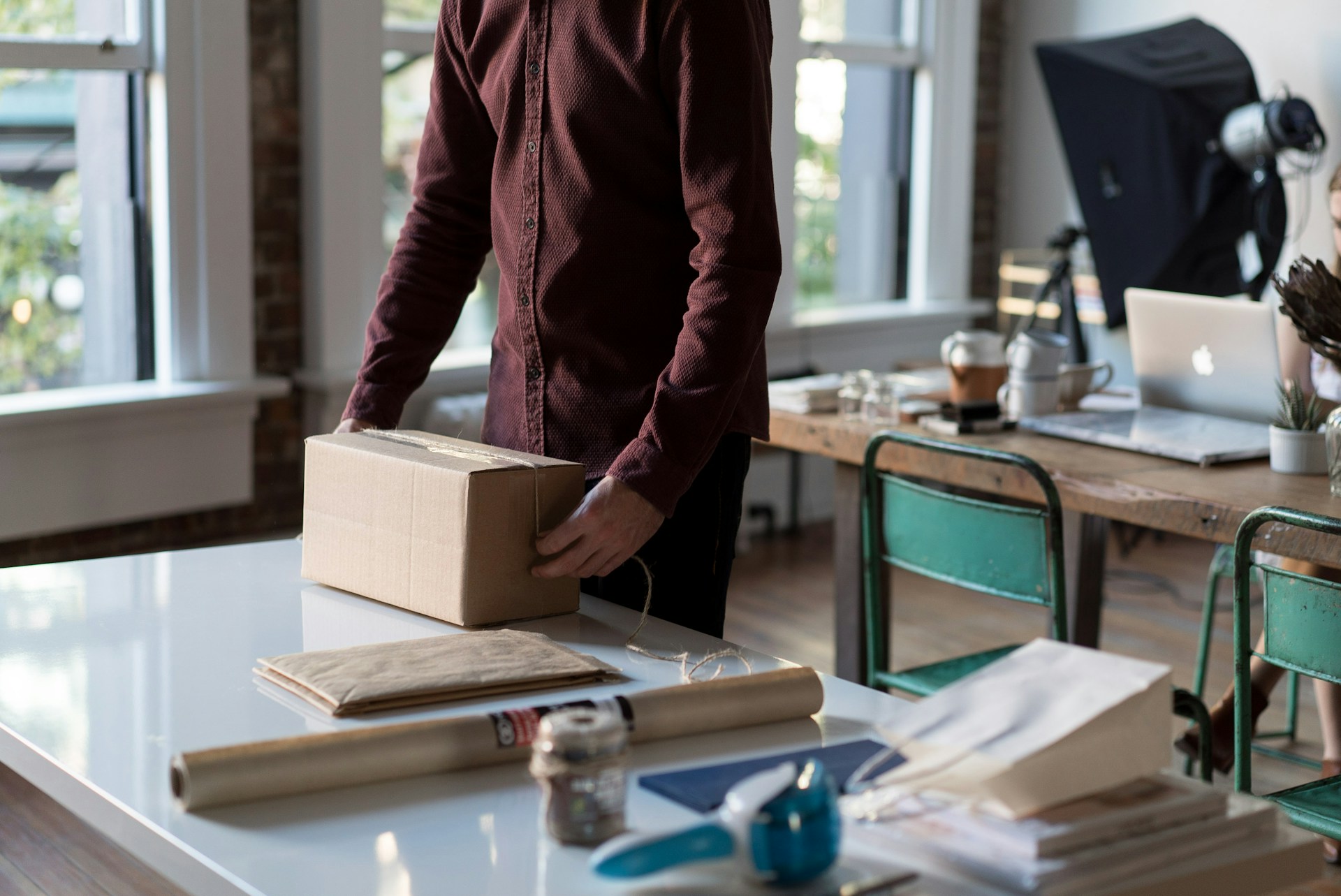
Quality control is the part beginners skip and regret. One bad batch can flood your store with negative reviews.
Keep quality checks simple and consistent. Order samples regularly, even after a product is selling well, since factories sometimes swap materials to cut costs. Ask your supplier or dropshipping partner to inspect items before shipping, especially for custom products or private label orders. Track your refund and complaint rates by product, and drop any SKU that slips.
If you want to build your own brand, consistent product quality is not optional. Customers forgive slow shipping once. They do not forgive junk.
Scaling: When to Upgrade Fulfillment
The classic AliExpress-style model works great for testing. But there comes a point where it holds you back. Watch for these signs:
- You have proven winning products selling daily.
- Shipping times are your top customer complaint.
- Your margin is shrinking as ad costs rise.
- You spend hours managing supplier messages instead of growing the business.
That is the moment to move from per-order dropshipping to a fulfillment system with stocked inventory. Bulk ordering lowers your cost per unit, local fulfillment cuts delivery times to a few days, and custom packaging lets you sell products under your own brand instead of generic parcels. This is how dropshipping sellers turn a side hustle into an online business built to last.
Why Work with Ship with Mina
Once you are ready to scale, the fulfillment partner you choose shapes everything that comes next. Ship with Mina is built specifically for e-commerce brands shipping from China, and a few things make it stand out for dropshippers making the jump.
First, speed. Ship with Mina charters its own planes on exclusive China-to-US shipping lines, so your orders get priority handling and direct routes instead of waiting in commercial carrier queues. Pair that with 20-plus warehouses in China and local warehouses in the US, Canada, Australia, and Europe, and your delivery times drop from weeks to days.
Second, technology. Their proprietary AI pick and pack system handles order processing with speed and accuracy that manual warehouses cannot match, with a 99 percent on-time delivery rate. As your order volume grows, the system scales with you.
Third, everything around the shipment. An elite sourcing team helps you find and vet factories, product development support is included at no extra cost, and custom packaging is available when you are ready to build your own brand. You also get live inventory visibility, so you always know what is in stock and what is selling.
For sellers who want to scale beyond basic dropshipping, that combination of sourcing, fulfillment, and exclusive shipping lines under one roof removes most of the growing pains of managing multiple vendors.
Conclusion
Dropshipping from China remains one of the most accessible ways to start an online business. The model is simple: find products, list them in your store, and let suppliers ship directly to your customers. But the sellers who succeed treat it like a business, not a shortcut.
Take time to choose the right dropshipping supplier. Test samples before you sell. Match your shipping option to your margins. Pick products with room for profit, and keep a close eye on quality control. Then, when orders grow, upgrade your fulfillment so your logistics stop being a bottleneck and start being an advantage.
Start small, learn fast, and scale smart.
Frequently Asked Questions
1. Do I need a business license to start dropshipping from China?
Requirements vary by country and state. In many places you can start selling right away as a sole proprietor, but registering your business is smart once revenue grows. Check your local regulations, and look into sales tax rules for your target markets.
2. Can I dropship custom or private label products from China?
Yes, and it is a great way to build your own brand. Many Chinese manufacturers offer private label and custom packaging once you order in bulk. A fulfillment partner with a sourcing team can help you find factories, negotiate pricing, and manage the quality checks that custom products require.
3. What is the difference between dropshipping and using a 3PL?
With dropshipping, your supplier ships each order individually, usually from China. With a 3PL, you buy inventory in bulk and store it in the partner's warehouses, often closer to your customers. The 3PL then picks, packs, and ships each order. The 3PL route costs more upfront but delivers faster, lowers per-unit costs, and gives you far more control over the customer experience.