

Choosing the right shipping mode is one of the most consequential decisions in logistics. For many businesses, it comes down to the two primary shipping modes: full truckload and less-than-truckload. FTL shipping is the backbone of American freight, moving large quantities of goods on dedicated trucks that run directly from origin to destination. For companies weighing their shipping options, logistics partners like Ship with Mina help e-commerce brands align each shipment with the right service level, from fulfillment through final delivery. This guide explains what FTL means, how the shipping process works, what full truckload freight costs, and when to choose FTL over LTL.
What Is FTL Shipping?
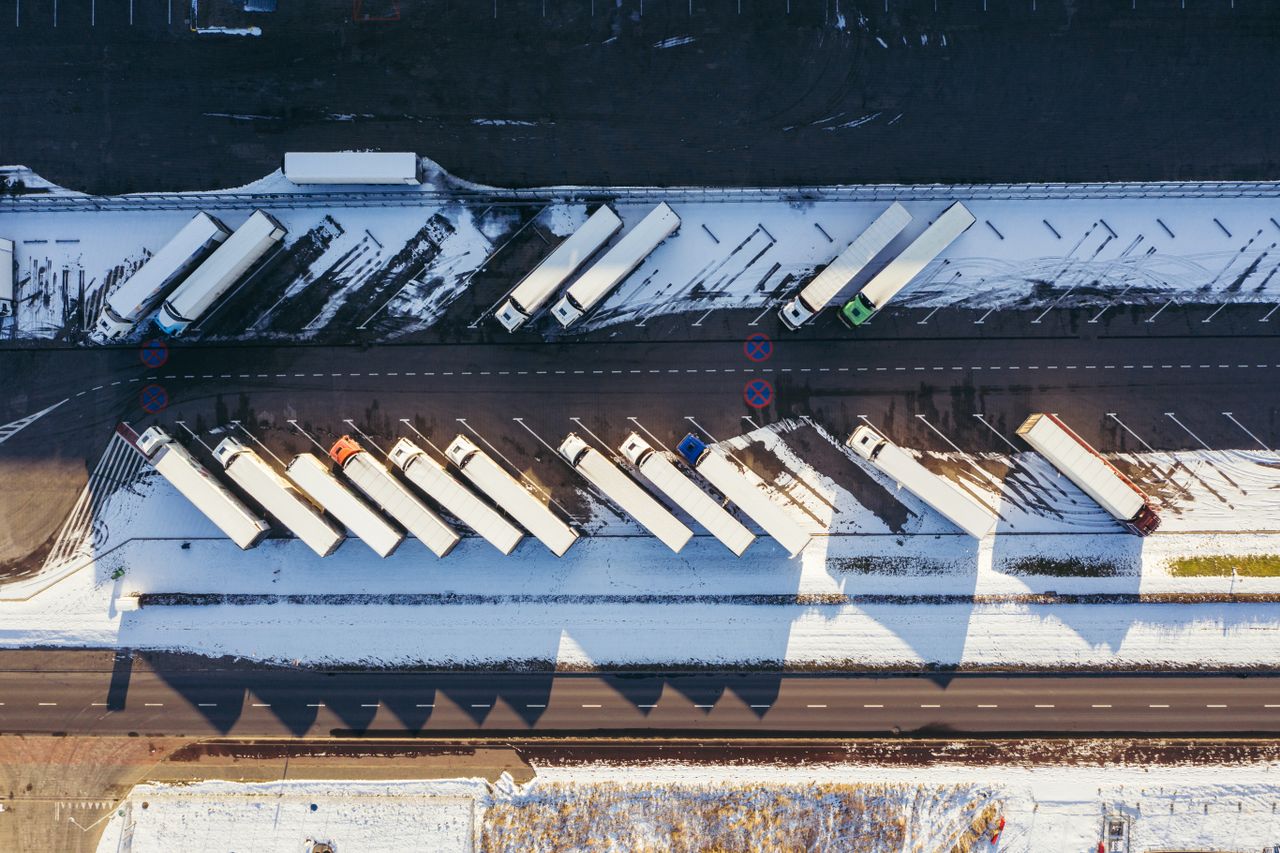
FTL stands for full truckload. In an FTL shipment, one shipper's cargo occupies an entire truck, or enough of the trailer that booking the whole vehicle is the practical choice. The truck is dedicated to that single customer: it picks up the load at the origin, and the truck goes directly to the destination without stopping to handle other shippers' freight.
A standard 53-foot dry van trailer used in FTL service holds roughly 45,000 pounds, or about 26 standard pallets. That is the typical maximum weight for a legal highway load. Still, a full truckload shipment does not need to fill the trailer completely. Many shippers book a full truck for loads of 10 or 12 pallets because they want the faster transit time, security, and reduced handling that dedicated truckload service provides.
The defining feature of full truckload shipping is exclusivity, which is why it is called full truckload in the first place. One customer's freight occupies an entire truck trailer, stays sealed on that trailer, and moves on a single direct route.
How the FTL Shipping Process Works
The FTL shipping process follows a clear sequence, whether a shipper books directly with a truckload carrier or works through a freight broker.
1. Booking the Load
The shipper provides the shipment details: origin and destination, weight, pallet count, commodity type, pickup date, and any special requirements such as temperature control or a liftgate. The FTL carrier or broker then quotes a truckload rate based on those details. Freight brokers maintain networks of vetted carriers, which makes it possible to book FTL capacity quickly, even on short notice or during tight markets. For brands that also need fulfillment or international freight alongside domestic truckload, providers like Ship with Mina can manage that side of the operation through their global warehousing and exclusive shipping lines.
2. Pickup and Loading
The assigned truck arrives at the origin, and the freight is loaded onto the trailer. The driver and shipper verify the bill of lading, which documents what is being shipped, its condition, and the terms of the move. Once the trailer is sealed, the freight typically stays untouched until delivery.
3. Line Haul Transit
This is where FTL shipping offers its biggest advantage. The truck travels directly from origin to destination with no terminal stops, no cross-docking, and no transfers between vehicles. A full truckload shipment from Chicago to Dallas moves as one uninterrupted haul, often completed in one to two days depending on driver hours-of-service rules.
4. Delivery
At the destination, the consignee unloads the freight, inspects it, and signs the proof of delivery. Because nothing was handled between pickup and delivery, the risk of damage and shortage claims is far lower than with shared-truck shipping services.
FTL vs LTL: The Difference Between LTL and FTL
The main alternative to a full truckload is LTL, short for less than truckload. In less-than-truckload shipping, carriers combine freight from many shippers on a single trailer. Understanding the difference between LTL and FTL, and when FTL versus LTL makes more sense, helps shippers choose the right service for each load.
How LTL Shipping Works
In LTL shipping, each shipper pays only for the portion of the trailer their freight occupies. The carrier consolidates these partial loads at terminals, routes them through a hub-and-spoke network, and deconsolidates them near their final destinations.
Where FTL and LTL Diverge
a) Handling:
FTL freight typically is loaded once and unloaded once. LTL shipments may be handled three to five times as they pass through terminals. Every touch adds risk of damage, which is why fragile or high-value goods often ship FTL even when they fill only part of a trailer.
b) Transit time:
FTL shipments typically run direct, so transit times are shorter and more predictable. LTL freight moves slower because of terminal processing and multiple stops.
c) Pricing structure:
FTL pricing is usually a flat or per-mile truckload rate for the entire truck. LTL pricing depends on freight class, weight, dimensions, and distance, which can make quotes harder to compare.
d) Cost efficiency:
For small loads of one to six pallets, LTL is almost always cheaper. Somewhere around 10 to 12 pallets, the economics usually flip, and FTL becomes the more cost-effective option on a cost per unit basis. Shippers moving several LTL shipments a week between the same points should also compare the cost of coordinating multiple LTL shipments against simply booking dedicated capacity on a full truck.
When to Choose FTL for a Shipment
Several situations point clearly toward using full truckload shipping services.
i) Large shipments.
Any load approaching 20,000 pounds or more than 10 pallets is a natural candidate for FTL on cost alone. Shipment size is the most common reason businesses use full truckload freight.
ii) Time-sensitive freight.
Because FTL transport runs direct, it offers faster transit than any other ground option. Retailers restocking for a sales event or manufacturers feeding a just-in-time production line often rely on full truckload services to hit tight delivery windows.
iii) Fragile or high-value goods.
Electronics, glass, pharmaceuticals, and similar products benefit from minimal handling. A sealed, dedicated truck dramatically reduces exposure to damage and theft.
iv) Special handling requirements.
Freight that needs a set temperature range, team drivers for continuous movement, or exclusive use of the trailer for regulatory reasons will almost always move as FTL freight.
v) Supply chain stability.
Companies shipping large volumes on consistent lanes often use full truckload shipping as the anchor of their supply chain strategy. Full truckload transport gives them contract rates and guaranteed capacity with trusted carriers.
What Does Full Truckload Shipping Cost?
FTL pricing is quoted for the entire truckload rather than by the pallet, and rates are not fixed. Shipping rates move with market conditions, and several factors shape the final price of any load.
Distance and Route
Most FTL pricing is built on a per-mile rate, so distance is the foundation of the quote. Route matters too. Lanes between major freight markets, such as Los Angeles to Phoenix or Atlanta to Charlotte, tend to price lower per mile because carriers can easily find reloads. Remote destinations with little outbound freight cost more because the truck may return empty.
Equipment Type
A standard dry van is the baseline. Refrigerated trailers (reefers) command higher rates because of the equipment cost and the fuel needed to run the cooling unit. A full flatbed, step deck, or other specialized trailer carries its own rate structure as well.
Fuel Prices
Carriers apply a fuel surcharge that rises and falls with diesel prices. During periods of high fuel costs, the surcharge can represent a meaningful share of the total rate.
Market Capacity
Truckload supply and demand shift constantly. When trucks are scarce relative to available freight, spot rates climb. When capacity is loose, rates soften. Seasonal surges, such as produce season or the pre-holiday retail rush, tighten capacity in specific markets and push prices up.
Accessorials and Timing
Detention fees apply when a truck waits too long at a dock. Layover fees, driver-assist charges, and stop-off fees for multi-stop loads all add to the base rate. Expedited service or weekend pickups typically cost extra.
As a rough benchmark, dry van spot rates in the United States have commonly ranged between $1.50 and $3.00 per mile in recent years. Actual quotes depend on all the factors above.
Common Equipment for Full Truckload Freight
The trailer used for truckload shipments depends on what is being moved.
- Dry van: The enclosed 53-foot box trailer seen on every highway. It handles palletized goods, boxed freight, and most general cargo that needs protection from weather.
- Refrigerated trailer (reefer): A dry van with a cooling unit that holds set temperatures. Reefers are essential for produce, dairy, meat, frozen food, and certain pharmaceuticals.
- Flatbed: An open trailer used for freight that does not fit in an enclosed box or needs crane loading, such as lumber, steel, machinery, and construction materials. Loads are secured with straps, chains, and tarps.
- Step deck and specialized trailers: Lower-deck designs and other specialty equipment handle oversized or unusually tall freight that exceeds standard legal dimensions or the standard weight limit.
The Benefits and Trade-Offs of FTL Shipping
FTL shipping offers clear advantages: faster transit, less handling, lower damage rates, predictable scheduling, and simple pricing for large loads. For shippers moving full truckloads or near-full trailers, it is usually the most cost-effective freight shipping option per pound.
The trade-offs are worth noting. A shipper must pay for a full truck even when using only part of it, which makes FTL uneconomical for light loads. FTL trucking also depends heavily on truck availability, so tight capacity markets can mean higher rates or longer waits for equipment. Partial truckload service, which sits between FTL and LTL, can be a middle-ground option for mid-size shipments that do not justify an entire truck or trailer.
Working with an experienced freight partner helps shippers weigh these factors load by load. And for e-commerce brands whose shipping needs extend beyond the truckload itself, providers like Ship with Mina can support the rest of the operation with fulfillment, warehousing, and international delivery.
How to Book FTL Freight
There are three common paths to book a full truckload.
- Direct with a carrier. Large shippers with steady volume often negotiate contracts directly with trucking companies. This offers stable pricing but requires consistent volume to be attractive to carriers.
- Through a freight broker. Brokers act as intermediaries with access to thousands of carriers. They handle quoting, carrier vetting, tracking, and problem resolution. This route suits businesses shipping freight irregularly or wanting market-competitive rates without managing carrier relationships.
- Through a digital freight platform. Online load-matching platforms offer instant quotes and self-service booking. They work well for standard dry van freight on common lanes, though complex or specialized shipments usually still benefit from a human broker's judgment.
Regardless of the path, the shipper should have accurate weight and dimensions, clear pickup and delivery windows, and any special instructions ready before requesting a quote. Accurate information prevents delays, reclassifications, and billing disputes.
Conclusion
FTL means full truckload, and it is the simplest and often the fastest way to move freight over the road: one shipper, one dedicated truck, one direct trip. FTL delivers the best cost efficiency for large, fragile, time-sensitive, or specialized loads, while LTL remains the practical choice for smaller shipments. Shippers who understand the difference between these shipping modes, when to book FTL or LTL, what drives full truckload pricing, and which equipment fits a given commodity are in a stronger position to control costs and protect their freight. And for businesses whose needs go beyond the truckload itself, logistics partners like Ship with Mina bring the fulfillment, warehousing, and global shipping expertise that keep the wider supply chain moving efficiently, shipment after shipment.
Frequently Asked Questions
1. What qualifies as an FTL shipment?
Any shipment booked for exclusive use of a trailer qualifies as FTL. In plain terms, exclusive use of the trailer means FTL service from pickup to delivery. In practice, loads over roughly 10 pallets or 20,000 pounds are almost always shipped as full truckloads because the cost works out better than LTL. Smaller loads can also use FTL when speed or minimal handling justifies paying for the entire truck.
2. How long does FTL shipping take?
Transit time depends on distance and driver hours-of-service rules. A solo driver can legally cover roughly 500 to 600 miles per day. Regional shipments under 500 miles often deliver same-day or next-day, while a coast-to-coast run typically takes four to six days. Team drivers, who alternate shifts, can cut long-haul transit times nearly in half.
3. Is FTL cheaper than LTL?
It depends on shipment size. For loads of one to six pallets, LTL is usually cheaper because the shipper pays only for the space used. Once a shipment reaches 10 or more pallets, FTL generally becomes the more economical option per pallet, and it adds faster transit and less handling at the same time.
4. What is the maximum weight for a full truckload?
A standard 53-foot dry van can legally carry up to about 45,000 pounds of freight, keeping total vehicle weight within the federal limit of 80,000 pounds. Axle weight limits also apply, so proper weight distribution matters. Heavier loads require specialized equipment and permits.
5. When should a business use FTL instead of LTL?
A business should choose FTL when the load is large enough to justify the full trailer, when the freight is fragile or high-value, when delivery deadlines are tight, or when coordinating multiple LTL shipments on the same lane would cost more than one dedicated truck. A freight broker can run the comparison for each shipment, and for brands that also need fulfillment or international logistics, a provider such as Ship with Mina can recommend the most cost-effective setup across the wider operation.