

If your business ships freight that doesn't require an entire truck, LTL freight shipping can be a cost-effective way to manage transportation expenses. Instead of paying for an entire trailer, you share available space with other shippers and only pay for the space your shipment occupies.
Ship with Mina helps businesses compare shipping options, request freight quotes, and manage their transportation needs. Whether you're new to LTL or looking to improve your logistics operations, understanding how LTL freight works can help you make smarter shipping decisions.
This guide covers LTL freight shipping, how it works, what affects freight rates, and how to get the best LTL freight rates for your business.
What Is LTL Freight?
LTL stands for less than truckload. It is a shipping method that allows multiple shippers to transport their goods in the same trailer. Instead of paying for the entire truck, each shipper pays for the portion of trailer space their shipment uses.
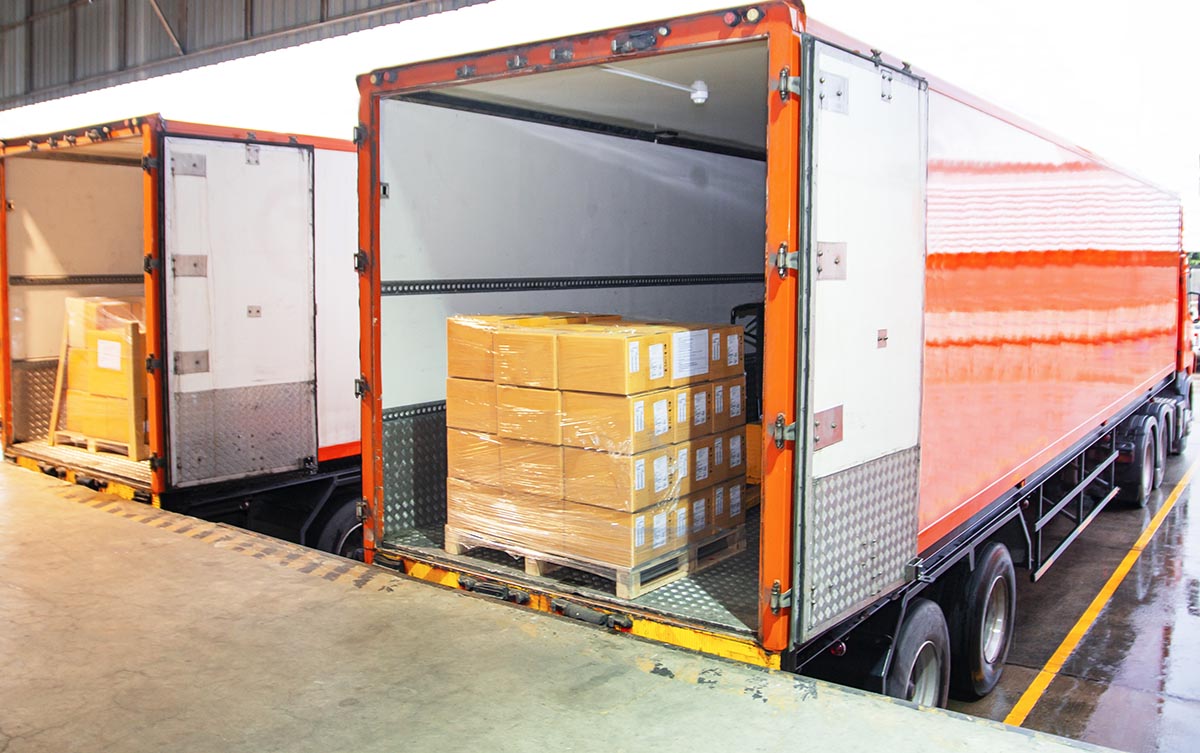
For example, if your business needs to ship two pallets of products, you don't need to book an entire truck. An LTL carrier can combine your shipment with freight from other businesses traveling in the same direction.
This shared transportation model makes LTL freight a cost-effective solution for small and medium-sized businesses.
Common LTL shipments include:
- Pallets of retail products.
- Furniture and commercial equipment.
- Manufacturing components.
- Packaged food and supplies.
- Industrial materials.
LTL is ideal when your freight is too large for parcel delivery but doesn't require a dedicated truck.
How LTL Freight Shipping Works
Understanding how LTL freight shipping works helps you prepare shipments, avoid unnecessary charges, and choose the right carrier.
1. Pickup and Consolidation
The LTL carrier collects your freight from the pickup location and transports it to a nearby terminal. There, workers sort and consolidate shipments from multiple businesses based on their destinations.
Before pickup, shippers must provide accurate information, including shipment weight, dimensions, freight class, and delivery address.
A bill of lading (BOL) is also prepared. This document acts as the shipment receipt and transportation contract.
2. Transportation and Transfers
After consolidation, the carrier transports your freight between terminals. Depending on the route, your shipment may pass through several facilities before reaching its destination.
Most LTL carriers offer tracking services that allow shippers to monitor important shipment updates.
Because freight may be handled multiple times, proper packaging and labeling are essential.
3. Final Delivery
Once your shipment reaches the destination terminal, a local carrier arranges delivery.
Additional services may be necessary depending on the delivery location. These include liftgate assistance, residential delivery, inside delivery, and appointment scheduling.
Providing accurate delivery information when booking helps prevent unexpected charges and delays.
When Should You Use LTL Shipping?
LTL shipping is a good choice when your freight is larger than parcel-size but doesn't require an entire truck.
Most LTL shipments range from a few hundred pounds to approximately 10,000–15,000 pounds, although carrier limits vary.
Consider using LTL when:
- You have one to six pallets.
- Your shipment doesn't require a dedicated vehicle.
- You want to reduce shipping costs.
- Your freight can share trailer space.
- Your delivery schedule allows standard transit times.
For larger shipments that fill most of a trailer, full truckload (FTL) shipping may be more practical.
LTL vs. FTL: What's the Difference?
LTL and FTL are two common forms of truckload shipping.
With LTL, multiple shippers share trailer space and pay for the portion they use. With full truckload shipping, one shipper reserves the entire truck.
Choose LTL for smaller shipments that don't require dedicated transportation. Consider FTL when you have larger loads, strict delivery deadlines, or freight that requires minimal handling.
Comparing both options can help you find the most suitable shipping solution.
Key Factors That Affect LTL Freight Rates

Several factors determine your LTL freight rate. Understanding them can help you manage freight costs and avoid unexpected charges.
1. Weight and Dimensions
Carriers consider how much your shipment weighs and how much trailer space it occupies. Shipment density is important because bulky, lightweight freight may take up more space than heavier, compact products.
Always provide accurate measurements to avoid reweighing charges and billing adjustments.
2. Distance and Route
Longer transportation distances generally increase shipping costs. Remote destinations, limited-access locations, fuel surcharges, and additional terminal transfers can also affect pricing.
An extensive carrier network can provide more transportation options and competitive shipping rates.
3. Freight Class
Freight class helps determine how much it costs to transport your shipment.
The National Motor Freight Classification (NMFC) system categorizes freight based on density, handling, stowability, and liability. Classes generally range from 50 to 500.
Using the correct freight class helps carriers calculate accurate rates and reduces the risk of reclassification fees.
4. Additional Services
Accessorial services are additional services beyond standard pickup and delivery. They can include:
- Liftgate services.
- Residential delivery.
- Inside delivery.
- Limited-access delivery.
- Appointment scheduling.
- Notify-before-delivery.
Requesting these services when obtaining a freight quote helps you understand the actual shipping costs before booking.
How to Prepare Your LTL Shipment
LTL freight often passes through multiple terminals, making proper packaging essential.
Follow these tips to protect your shipment:
- Place products on sturdy pallets whenever possible.
- Secure boxes using stretch wrap and straps.
- Label shipments clearly with destination information.
- Prepare accurate bills of lading.
- Measure and weigh freight correctly.
- Photograph shipments before pickup.
- Confirm special handling and delivery requirements.
Good preparation reduces damage risks, prevents delays, and improves shipping efficiency.
Main Benefits of LTL Freight Shipping
LTL freight offers several advantages for businesses managing smaller freight shipments.
Cost savings: You only pay for the trailer space your shipment occupies instead of the cost of an entire truck.
Flexibility: Businesses can ship smaller quantities without waiting to fill a trailer.
Carrier network access: Established LTL carriers connect businesses with extensive transportation networks.
Better resource utilization: Combining shipments from multiple shippers helps reduce unused trailer space.
Shipment tracking: Many carriers provide tracking tools to monitor shipment progress and delivery updates.
These benefits make LTL a practical logistics solution for retailers, manufacturers, wholesalers, and growing businesses.
How to Get the Best LTL Freight Rates
Finding the best LTL freight rates involves more than choosing the lowest advertised price. You also need to consider carrier reliability, transit time, additional charges, and delivery requirements.
Here are practical ways to reduce freight costs:
- Provide accurate shipment details: Correct weight and dimensions help prevent billing adjustments.
- Use the correct freight class: Verify your freight classification before booking.
- Compare multiple quotes: Different carriers may offer different rates for the same shipment.
- Avoid unnecessary accessorials: Only request services your shipment actually needs.
- Improve packaging: Efficient palletization helps protect freight and use trailer space effectively.
- Plan shipments ahead: Flexible pickup and delivery schedules may provide more carrier options.
- Work with freight experts: Freight brokers and third-party logistics providers can help evaluate available shipping services.
The goal is to find reliable transportation that balances cost, service quality, and delivery expectations.
How Ship with Mina Helps You Ship LTL Freight
Ship with Mina helps simplify the LTL freight shipping process by giving businesses a way to request freight quotes, compare shipping options, and organize shipment information.
Whether you're arranging occasional freight shipments or managing regular transportation needs, having access to suitable carrier options makes logistics management easier.
Ship with Mina can help you navigate important shipping requirements, including freight quotes, carrier options, shipment details, and pickup and delivery arrangements.
By comparing available services and understanding your transportation requirements, you can make more informed decisions about your shipping costs.
Ready to ship LTL freight? Explore your options with Ship with Mina and take a smarter approach to managing your freight costs.
Frequently Asked Questions About LTL Freight
How much weight can I ship with LTL freight?
Most LTL shipments range from a few hundred pounds to approximately 10,000–15,000 pounds. Limits vary by carrier and route. Larger shipments may be better suited to full truckload transportation.
Is LTL freight shipping slower than FTL?
Generally, yes. LTL freight may pass through multiple terminals and require additional handling. FTL shipments typically travel more directly from pickup to delivery.
What is an LTL freight rate?
An LTL freight rate is the price charged to transport a less-than-truckload shipment. It depends on weight, dimensions, freight class, distance, and additional services.
Can I ship LTL freight to a residential address?
Yes. However, residential deliveries may require additional services such as liftgate assistance and appointment scheduling.
How do I get an LTL freight quote?
You'll generally need pickup and delivery ZIP codes, shipment weight, dimensions, pallet count, freight class, and any special delivery requirements.
How can I get the best LTL freight rates?
Compare multiple carrier quotes, provide accurate shipment details, use the correct freight class, and avoid unnecessary accessorial charges. Working with freight professionals can also help you evaluate suitable shipping options.