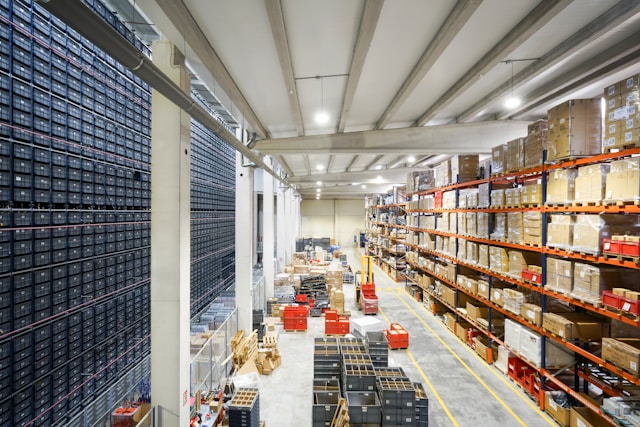
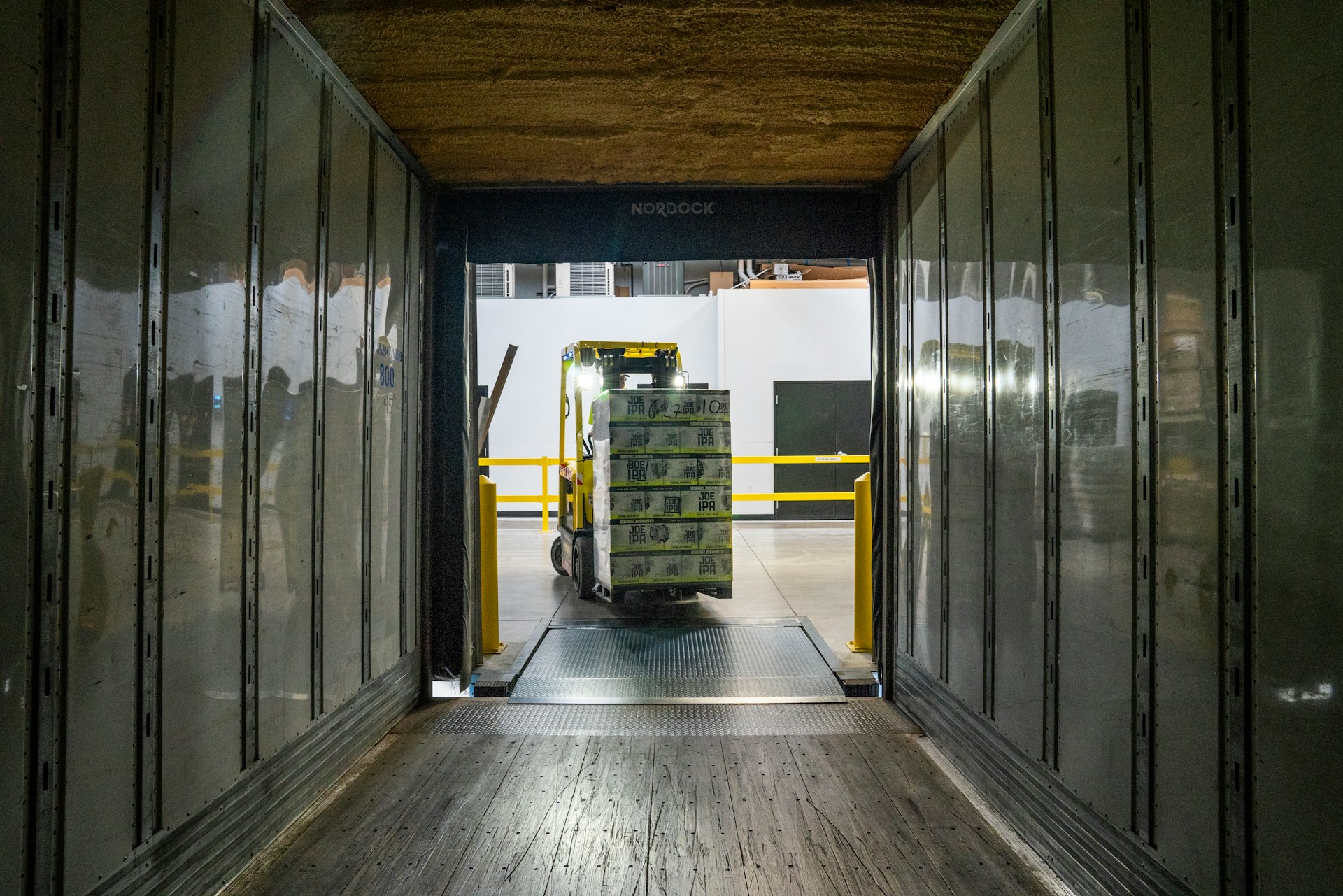
Warehouse automation has moved from a competitive advantage to a baseline expectation. Today, businesses of every size are investing in robotics, AI, and warehouse automation technology to keep up with customer demands for faster, more accurate fulfillment. At ShipwithMina, we talk with shippers every day who want to move goods faster without ballooning costs, and the latest warehouse automation trends keep coming up in those conversations. This guide breaks down the top warehouse automation trends for 2026, what they cost, and how to choose the right warehouse automation solution for your operation.
Why Warehouse Automation Is Accelerating in 2026
Before diving into specific automation technologies, it helps to understand what's driving the warehouse automation market forward.
1. Labor shortages and rising costs
Finding and keeping warehouse workers remains one of the biggest challenges in warehouse and distribution. Turnover often exceeds 40% annually, and wages continue to climb. For many warehouse managers, automation systems have shifted from a luxury to a form of insurance against staffing gaps.
2. Faster delivery expectations
Same-day and next-day shipping are now the baseline for many online shoppers. Meeting those deadlines with manual warehouse processes alone is nearly impossible at scale. Automation solutions help warehouses process more orders per hour with fewer errors.
3. Falling technology costs
Robotics and automation systems cost a fraction of what they did a decade ago. Robots-as-a-service (RaaS) pricing lets companies pay a monthly fee instead of making a huge upfront investment, opening the path to automation for small and mid-sized businesses.

Trend 1: Autonomous Mobile Robots and Advanced Warehouse Robotics
Warehouse robotics is one of the fastest-growing categories of warehouse automation systems, and autonomous mobile robots (AMRs) lead the pack.
How AMRs transform the warehouse floor
Unlike older guided vehicles that follow fixed tracks, an autonomous mobile robot uses cameras, sensors, and mapping software to move freely around the warehouse environment. AMRs carry shelving to pickers, transport pallets, and move orders to packing stations. If a warehouse worker or forklift crosses their path, they stop and reroute on their own.
Why companies choose robotic automation solutions
AMRs cut down on walking, one of the biggest time-wasters in any warehouse operation. A picker might walk 10 to 15 miles per shift in a traditional setup. With robots bringing goods to the picker, that walking nearly disappears, and some operations report picking two to three times more orders per hour. Deployment is also fast, often weeks rather than months, since AMRs don't require major changes to warehouse layouts.
Trend 2: Automated Storage and Retrieval Systems (AS/RS)
Automated storage and retrieval systems remain a cornerstone of the automated warehouse, especially where warehouse space is expensive.
Types of warehouse automation in storage
- Unit-load systems handle full pallets for heavy, bulky goods.
- Mini-load systems handle smaller bins and totes, ideal for e-commerce warehouse picking.
- Shuttle systems use robots traveling along rack levels for fast retrieval.
- Cube storage systems (like AutoStore) stack bins in a dense grid, maximizing warehouse footprint.
The space-saving advantage
The biggest benefit of AS/RS is density. Because robots don't need wide aisles or human-height clearances, these systems store far more product in the same warehouse space. In urban markets where warehouse facilities are costly or scarce, that density matters.
The trade-offs
AS/RS requires serious upfront investment and careful warehouse design. Fixed systems are less flexible than mobile robots, so companies with stable, predictable inventory tend to see the best returns from this type of warehouse automation.
Trend 3: AI-Powered Warehouse Software and Orchestration
Hardware gets the attention, but warehouse software is what makes automation actually work. In 2026, AI is revolutionizing warehouse operations by making every system smarter.
Smarter warehouse management systems
A modern warehouse management system (WMS) does far more than track inventory. AI-driven management software can:
- Direct robots and human workers in the same warehouse environment without conflicts
- Batch orders intelligently so pickers handle more items per trip
- Predict demand and suggest optimal slotting within warehouse layouts
- Flag slow-moving inventory before it wastes valuable space
Warehouse execution systems and orchestration
Warehouse execution systems (WES) sit between the WMS and the equipment itself, making real-time decisions about order flow. The newest evolution is warehouse orchestration: AI platforms that coordinate people, robotics, and various automation technologies as one unified warehouse system. This kind of intelligent automation keeps every resource busy without creating bottlenecks at packing or shipping.
Enterprise platforms like SAP Extended Warehouse Management are also embedding AI capabilities, bringing advanced warehouse functionality to companies already running SAP supply chain stacks.
Integration matters
The best automation software won't help if it can't communicate with your order management system, transportation partners, and existing equipment. Poor integration remains one of the most common reasons automation projects disappoint.
Trend 4: Automated Picking, Packing, and Warehouse Drones
Warehouse picking is the most labor-intensive task in most facilities, so it remains a prime target for new automation.
Advanced robotics for picking
Robotic arms with modern grippers can now handle a wide range of products, from boxes to poly bags to oddly shaped items. They excel in structured environments and are steadily improving with mixed inventory.
Digital automation for human pickers
Not every operation is ready for full robotic picking. Pick-to-light and put-to-light systems use lights on shelving to show workers exactly where to pick and how many units to grab. It's a lower-cost form of digital automation that dramatically cuts errors and training time.
Warehouse drones take flight
Warehouse drones are moving from pilot programs to practical use in 2026. Flying through tall racking with scanners and cameras, drones perform inventory counts in hours instead of days, improving warehouse efficiency without disrupting operations on the warehouse floor.
Automated packing
Right-sizing machines measure each order and build a box to fit, reducing void fill and cutting dimensional weight charges from carriers. With shipping costs where they are, smaller boxes can pay for the equipment surprisingly fast.
Trend 5: Micro-Fulfillment and the Changing Warehouse Footprint

Speed is pushing inventory closer to customers, changing warehouse design across the industry.
What is a micro-fulfillment center?
A micro-fulfillment center (MFC) is a small, highly automated warehouse, often just 10,000 to 20,000 square feet, located near urban customers. Some retailers build them in the back of existing stores to fulfill online orders within hours.
Who benefits most
Grocery led adoption, but MFCs now serve apparel, electronics, and health and beauty brands. They work best for fast-moving SKUs, while slow movers stay in larger regional facilities where storage is cheaper.
The logistics connection
MFCs only work if outbound transportation keeps pace. Inventory close to customers doesn't help if you can't deliver reliably, which is why logistics automation and a strong shipping partner matter as much as the warehouse technology itself.
Trend 6: Data, Sensors, and Predictive Warehouse Performance
Modern warehouse automation generates enormous amounts of data, and smart operators are putting it to work.
IoT sensors across warehouse facilities
Inexpensive sensors now track equipment health, temperature, humidity, and forklift traffic patterns. For shippers handling food or pharmaceuticals, continuous monitoring provides the documentation customers and regulators demand.
Predictive maintenance
Instead of waiting for a conveyor motor to fail during peak week, sensors detect vibration and temperature changes that signal trouble ahead. Fixing equipment on your schedule improves warehouse performance and avoids missed shipping cutoffs.
Data-driven warehouse layouts
Traffic and picking data reveal where congestion happens and which products should be stored together. Even small layout changes based on real data can improve warehouse efficiency by 10 to 15 percent.
Types of Warehouse Automation: Physical vs. Digital
When evaluating automation options, it helps to understand the two broad categories:
- Physical automation includes robotics, conveyors, AS/RS, drones, and automated packing equipment: anything that moves or handles product.
- Digital automation covers warehouse software, AI, warehouse orchestration platforms, and warehouse control systems that direct work and make decisions.
The most successful warehouse automation strategies combine both, with digital automation orchestrating physical automation into end-to-end warehouse automation.
Benefits of Warehouse Automation
Across all these trends, the core benefits of warehouse automation remain consistent:
- Higher throughput without adding headcount
- Fewer errors in picking, packing, and inventory
- Better use of warehouse space through dense storage
- Safer warehouse environments with robots handling heavy lifting
- Scalability to handle peak season surges
Implementing Warehouse Automation Without Overcommitting
The biggest mistake companies make when implementing warehouse automation is trying to do everything at once. A better path to automation:
- Find your biggest bottleneck first. Automate the warehouse process that's actually slowing you down, not the one with the flashiest technology.
- Start with a pilot. Test new automation solutions in one zone or one shift before scaling.
- Use flexible pricing models. RaaS and leasing let you test warehouse automation technology without massive capital commitments.
- Plan for peak season. Make sure your warehouse automation systems can scale when volume spikes.
- Don't forget outbound. A faster warehouse only pays off if shipping can match its pace.
The Future of Warehouse Automation Beyond 2026
The future of warehouse automation points toward deeper AI integration, more advanced robotics handling complex tasks, and warehouse orchestration platforms managing entire facilities with minimal human intervention. Cutting-edge automation that seemed experimental in automation in 2025, like warehouse drones and AI-driven slotting, is becoming standard. Companies that begin transforming warehouse operations now will be positioned to adopt each new wave of advanced automation as it matures.
Conclusion
Warehouse automation in 2026 is no longer an all-or-nothing decision. From affordable autonomous mobile robots to AI-powered warehouse software to right-sizing packing machines, there are automation solutions at nearly every budget and scale. The companies seeing successful automation results start with a clear problem, test on a small scale, and expand what works.
Just as important, automation inside the warehouse must connect with everything that happens after an order leaves the dock. Faster warehouse picking doesn't mean much if shipments sit waiting for a carrier. ShipwithMina helps businesses pair their warehouse automation gains with reliable, cost-effective shipping, so the speed you build inside your facility actually reaches your customers.
Frequently Asked Questions
1. How much does warehouse automation cost in 2026?
Costs vary widely. Pick-to-light systems or a few AMRs might start in the tens of thousands of dollars, while full AS/RS installations can run into the millions. Robots-as-a-service models typically run $1,000 to $3,000 per robot monthly, significantly lowering the barrier to entry.
2. Is warehouse automation only for large companies?
No. Falling prices and flexible subscription models have made modern warehouse automation practical for small and mid-sized businesses. Many vendors design modular automation systems that grow with your operation.
3. Will warehouse automation replace warehouse workers?
In practice, most automation handles repetitive tasks like walking, lifting, and transporting goods, while warehouse workers focus on judgment-based work like quality checks and exception handling. Given persistent labor shortages, most companies use automation to fill gaps rather than cut headcount.
4. How long does it take to implement warehouse automation?
It depends on the system. AMRs often deploy in weeks with minimal changes to warehouse layouts. Fixed systems like conveyors and automated storage and retrieval systems typically take several months to a year, including design, installation, and testing.
5. What's the first automation a small warehouse should consider?
Start where your bottleneck is. For many warehouse operations, that's picking. AMRs or pick-to-light systems offer fast payback because they target the most labor-intensive warehouse processes. If packing and shipping are your pain points, right-sizing box machines and automated labeling often deliver quick savings on both labor and carrier fees.