

Running an online store sounds exciting until the orders start piling up and suddenly you are juggling inventory, packing boxes, and answering customer messages all at once. That’s usually the moment when retail fulfillment services stop feeling optional and start feeling necessary. They step in quietly and take over the part of the business that most people underestimate.
For a lot of ecommerce businesses, the real challenge is not making sales but keeping up with them. A reliable fulfillment service makes that gap feel manageable. Instead of constantly worrying about missed shipments or stock issues, you get a system that keeps things moving in the background while you focus on growing your brand.
What Are Retail Fulfillment Services?
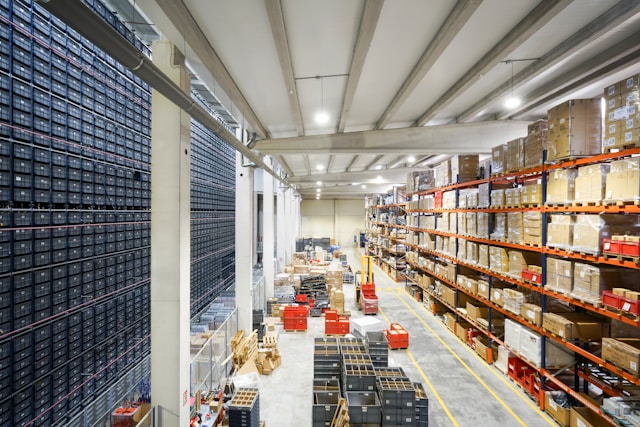
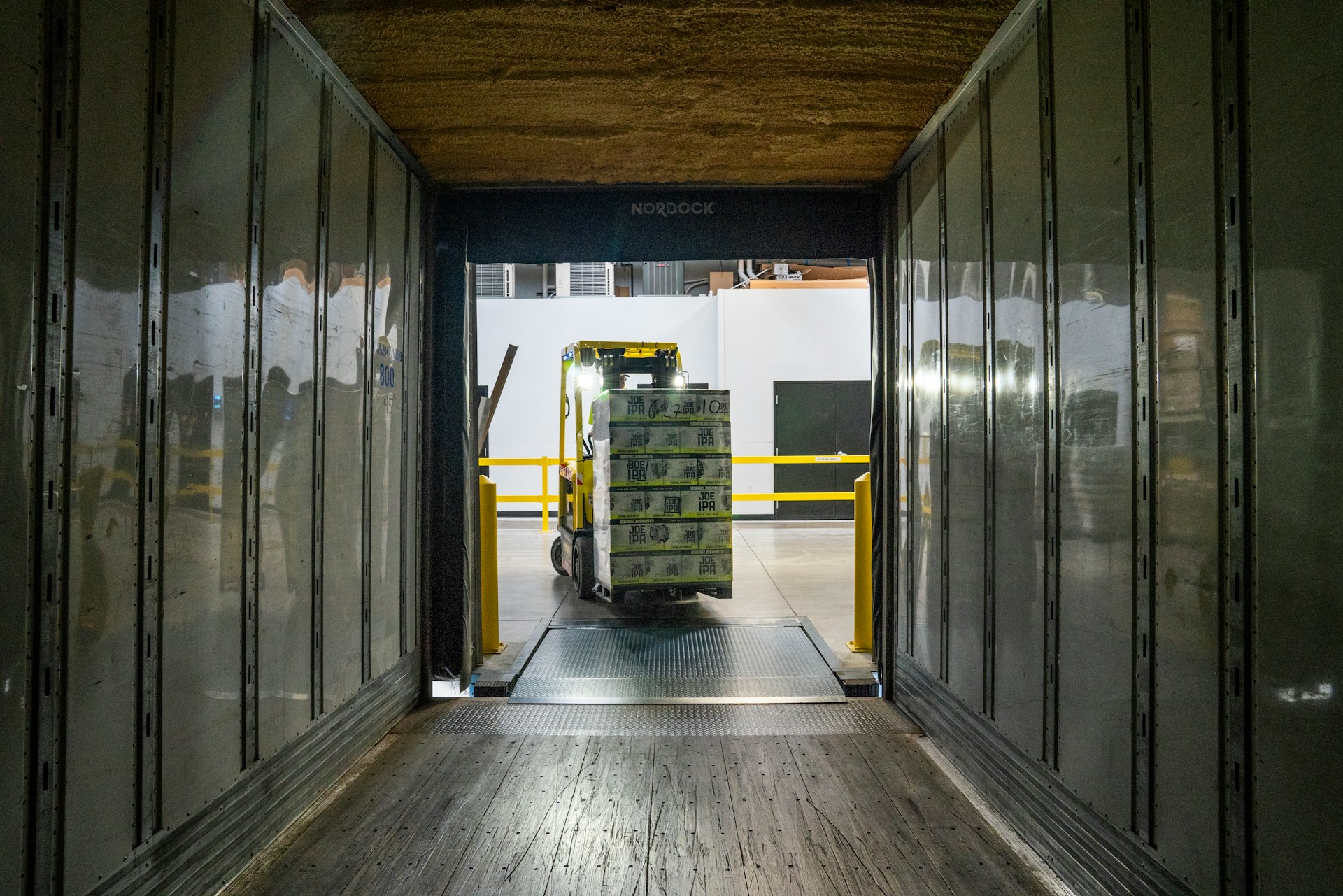
Retail fulfillment services are companies that handle the entire order fulfillment process on your behalf. Your products are stored in a warehouse or fulfillment center, and when an order comes in, the items are picked, packed, and shipped out. Some also take care of returns, inventory management, and other parts of the supply chain.
It helps to think of a fulfillment service as an extension of your business rather than a separate system. Most of them operate as a 3PL, meaning third-party logistics providers that manage storage, order processing, and shipping services. This setup is what allows ecommerce businesses to run smoothly without needing their own warehouse or large team.
Best Retail Fulfillment Services
1. ShipwithMina
There’s something noticeably different about ShipwithMina when you look at how it approaches retail fulfillment. It doesn’t feel like a rigid system where you have to adjust your business to fit into it. Instead, it leans into flexibility, making the entire fulfillment process feel a lot more natural for ecommerce businesses that are still figuring out their pace.
From the moment your inventory arrives at the warehouse, the flow is easy to follow. Storage, picking and packing, and shipping services all connect in a way that reduces friction. You are not constantly checking in or fixing errors. The fulfillment solution just works in the background, which is exactly what most retail businesses need once orders start growing.

What stands out even more is how it balances structure with adaptability. As your order volume increases, the system adjusts without forcing you into complicated changes. That sense of stability, especially when things get busy, is what makes it a dependable ecommerce fulfillment partner.
Pros:
- Flexible fulfillment solution that adapts as you grow
- Clean and reliable inventory management
- Smooth order processing and picking and packing
- Built to support scalable fulfillment operations
Cons:
- Custom setups may take a bit of time
2. AMZ Prep
AMZ Prep leans more toward structure and consistency, which can be a good thing if your fulfillment needs are steady and predictable. It focuses on making sure your inventory is organized and your order fulfillment process runs without unnecessary interruptions.
The experience feels controlled in a good way. You can track inventory, manage ecommerce order flow, and rely on a system that doesn’t change too often. For ecommerce businesses that prefer stability over constant customization, this fulfillment provider offers a straightforward path.
Pros:
- Strong warehouse management and inventory tracking
- Reliable and consistent order fulfillment process
- Works well for steady order volume
- Includes useful value-added services
Cons:
- Less room for flexible fulfillment strategies
- Costs can rise with growth
3. Amazon FBA
Amazon FBA, or fulfillment by Amazon, is built for scale. Once your products are inside its fulfillment centers, the system takes over completely. Orders are picked, packed, and shipped quickly, often faster than most independent fulfillment companies can manage.
That convenience comes with a trade-off, though. While the ecommerce fulfillment is fast and efficient, you give up some control over how your brand is presented. Still, for ecommerce businesses that want access to a massive fulfillment network and simplified logistics, it remains a strong option.
Pros:
- Extremely fast and reliable shipping services
- Access to a wide fulfillment network
- Handles returns and customer service
- Ideal for scaling quickly
Cons:
- Limited control over branding
- Fees can become expensive over time
4. PNW Warehousing
PNW Warehousing keeps things simple, and that simplicity can actually be a strength. It focuses on the basics of retail fulfillment, making sure your inventory is stored properly and orders are handled without complications.
There’s less emphasis on advanced fulfillment software and more focus on steady operations. If your business doesn’t need complex integrations or rapid scaling, this kind of fulfillment solution can feel easier to manage and more predictable day to day.
Pros:
- Dependable warehouse management
- Straightforward order fulfillment process
- Good fit for small to mid-sized retail businesses
- Consistent logistics handling
Cons:
- Limited advanced features
- Not ideal for rapid scaling
5. ShipBob
ShipBob takes a more modern approach to ecommerce fulfillment, blending fulfillment centers with technology that gives you visibility into your operations. You can track inventory, monitor order processing, and adjust your fulfillment strategies as needed.
It’s especially useful for ecommerce businesses that want to stay hands-on without managing everything themselves. The system gives you data without overwhelming you, and that balance makes it easier to stay in control while still relying on a fulfillment partner.
Pros:
- Advanced fulfillment software and analytics
- Multiple fulfillment center locations
- Easy integration with ecommerce platforms like Shopify
- Designed for growing brands
Cons:
- Can feel complex at the beginning
- Costs increase with added features
How to Choose the Right Retail Fulfillment Services
a) Understanding Your Fulfillment Needs
Choosing the right fulfillment starts with being honest about where your business is right now. Your order volume, product type, and customer expectations all shape what kind of fulfillment service will actually work for you. A smaller setup might only need a basic fulfillment solution, while larger ecommerce businesses usually need something more layered.
b) Evaluating Warehouse and Inventory Management

Inventory management is where a lot of fulfillment problems begin, so it’s worth paying attention to. A good warehouse system should make it easy to know what you have, where it is, and when it needs restocking. When this part runs smoothly, the rest of the fulfillment process tends to follow.
c) Looking at Technology and Integration
Most ecommerce fulfillment services now rely on fulfillment software to keep everything connected. This is especially important if you are selling across multiple sales channels or using an ecommerce platform like shopify. The easier it is to connect your systems, the fewer mistakes you’ll deal with later.
d) Considering Scalability and Growth
The fulfillment partner you choose should not feel limiting. As your business grows, your fulfillment operations should grow with it. Scalable fulfillment solutions allow you to handle more orders without needing to rebuild your entire system from scratch.
e) Checking Shipping and Logistics Support
Shipping services are often the part your customers notice the most. Late deliveries or poor tracking can affect customer satisfaction quickly. A fulfillment provider with strong logistics support helps you meet customer expectations without constant follow-ups.
Benefits of Relying on ShipwithMina for Your Retail Fulfillment Services
Using ShipwithMina for your retail fulfillment services changes how the entire fulfillment process feels. Instead of constantly managing small details, you get a system that handles storage and fulfillment, picking and packing, and shipping services in a way that feels connected.
It also brings a level of clarity to inventory management. You are not guessing stock levels or dealing with scattered warehouse operations. Everything is structured, which reduces errors and makes order processing more reliable. Over time, that consistency builds better customer satisfaction without extra effort.
As your ecommerce business grows, the transition feels steady rather than chaotic. The fulfillment operations expand with you, making it easier to handle higher order volume without stress. That kind of stability is what makes it a practical long-term ecommerce fulfillment solution.
Conclusion
Retail fulfillment services have quietly become one of the most important parts of running ecommerce businesses. When they work well, you barely notice them. Orders move, inventory stays organized, and customers receive their packages on time.
Finding the right fulfillment service is less about picking the biggest name and more about choosing what fits your workflow. The right fulfillment partner supports your business without slowing it down, making growth feel a lot more manageable.
Frequently Asked Questions on Retail Fulfillment Services
1. What are the 7 steps of order fulfillment?
The order fulfillment process usually starts with receiving inventory at a fulfillment center, followed by storage in a warehouse. Once an ecommerce order is placed, order processing begins. The items are then picked, packed, and shipped. The final step often includes handling returns, which completes the cycle.
2. What do retail operations include?
Retail operations generally include inventory management, order processing, customer service, sales tracking, and logistics. These parts work together to keep retail businesses running smoothly and ensure customers get what they expect.
3. How many types of fulfillment are there?
There are a few common fulfillment models, including in-house fulfillment, third-party logistics or 3PL, dropshipping, and hybrid approaches. Each fulfillment method works differently depending on the business size, fulfillment needs, and overall supply chain setup.