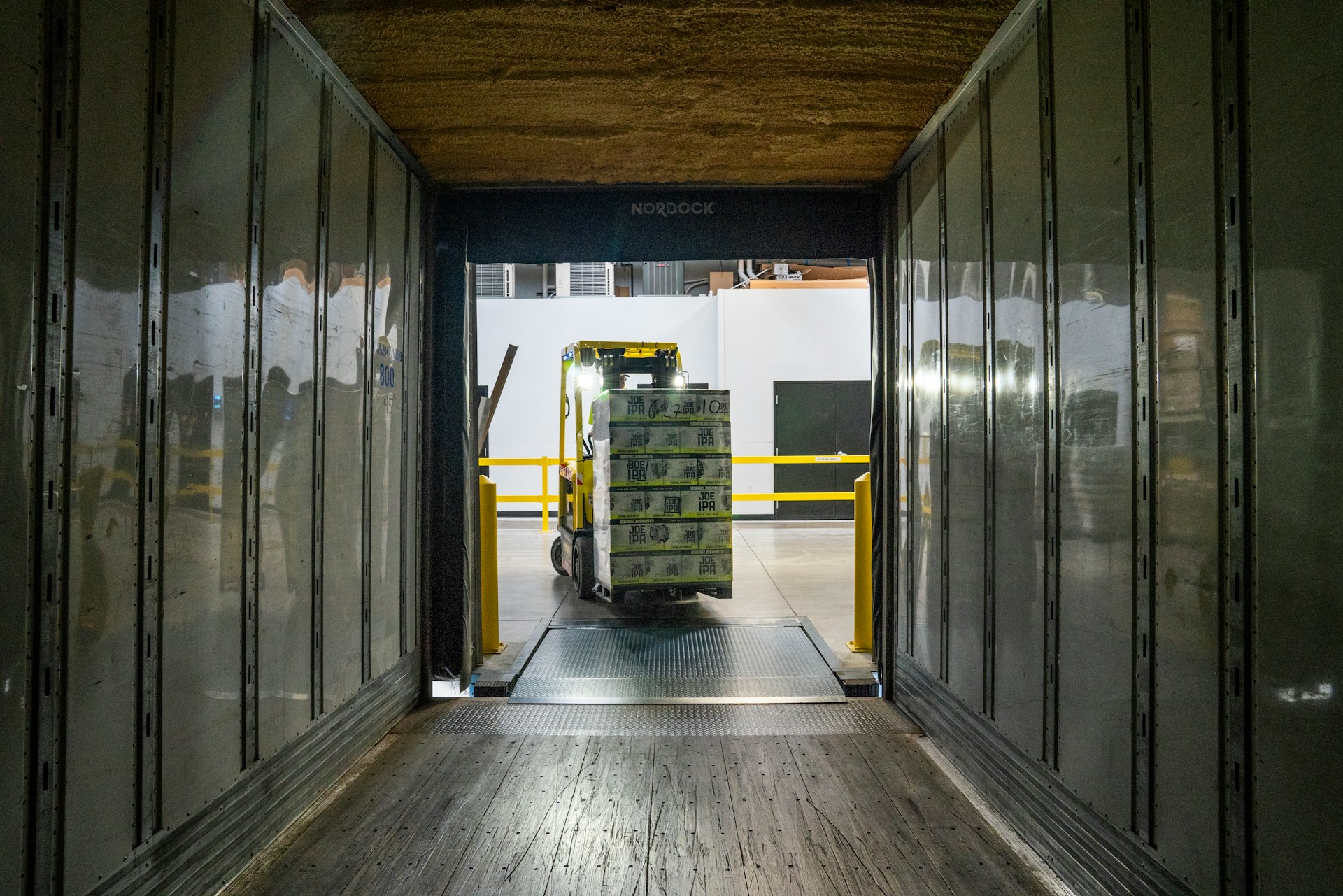
Getting inventory from your manufacturer to your fulfillment center sounds simple. In practice, it's where a lot of ecommerce operations break down. A shipment arrives late, half the cartons are damaged, the counts don't match the purchase order, and suddenly you're telling customers their orders are delayed. At ShipwithMina, we handle inventory receiving for growing brands every day, and we've seen firsthand how a solid receiving process protects your revenue and how a sloppy one quietly drains it.
This guide walks through what inventory receiving actually involves, why it matters more than most sellers realize, and the steps you can take to make sure your stock gets checked in accurately, quickly, and ready to sell.
What Is Inventory Receiving?
Inventory receiving is the process of accepting, verifying, and recording incoming stock at your warehouse or fulfillment center. It starts the moment a shipment arrives at the dock and ends when your products are counted, inspected, and put away in their storage locations.
Every unit that reaches a customer passes through this step first. If receiving goes wrong, everything downstream suffers. Orders ship late, stock counts are wrong, and you're left guessing at what you actually have on the shelf.
Why Receiving Inventory Matters for Your Business
Many ecommerce brands treat receiving as a formality. The truck shows up, the boxes come off, someone signs the paperwork, and that's it. That mindset creates real problems.
a) It Protects Your Inventory Accuracy
Your store can only sell what your system says you have. If 500 units arrive but only 480 get recorded, you'll oversell, undersell, or spend hours reconciling numbers later. Accurate receiving keeps your stock levels trustworthy across every sales channel.
b) It Catches Problems Early
Manufacturers make mistakes. Short shipments, wrong SKUs, mislabeled cartons, and damaged goods all happen regularly. The best time to catch these issues is at the receiving dock, while you can still file a claim with your supplier or freight carrier. Once inventory is mixed into your general stock, proving what went wrong becomes much harder.
c) It Speeds Up Order Fulfillment
Inventory that sits unprocessed on a dock can't be sold. The faster your products move from arrival to shelf, the sooner customers can buy them. This matters even more during inventory replenishment and peak season, when every day of delay means lost sales.

The Inventory Receiving Process Step by Step
A reliable receiving workflow follows a clear sequence. Here's what that looks like in practice.
Step 1: Schedule and Prepare for the Delivery
Good receiving starts before the truck arrives. Your warehouse or 3PL should know what's coming, when it's coming, and how it's packed.
This means sending an advance shipping notice (ASN) or receiving order ahead of time. That document should include:
- Purchase order number
- SKUs and quantities expected
- Number of cartons or pallets
- Any special handling requirements
- Carrier details and tracking information
With this information in hand, the receiving team can reserve dock space, plan labor, and prepare storage locations. Without it, shipments show up as surprises, and surprises slow everything down.
Step 2: Inspect the Shipment at Arrival
When the delivery arrives, the first job is a visual inspection. Before signing anything, check for:
- Damaged, crushed, or water-stained cartons
- Pallets that appear shifted or restacked
- Signs of tampering
- Carton counts that don't match the bill of lading
Note any issues directly on the delivery receipt before the driver leaves. Photos help here. If you sign a clean receipt for damaged freight, filing a claim later becomes an uphill battle.
Step 3: Count and Verify the Inventory
Next comes the detailed count. The receiving team opens cartons and verifies that the contents match the ASN and purchase order. This usually happens at one of three levels:
- Full count. Every unit is counted individually. This is the most accurate option and works well for high-value goods or smaller shipments.
- Carton count with spot checks. The team counts cartons and opens a sample to verify contents. This is faster and works when you trust your supplier's packing consistency.
- Weight verification. Cartons are weighed and compared against expected weights. This catches shortages quickly without opening every box.
Whichever method you use, discrepancies should be documented immediately. If you ordered 1,000 units and 960 arrived, that shortage needs to go to your supplier the same day, not three weeks later when someone notices the shelf looks light.
Step 4: Inspect Product Quality
Counting confirms quantity. Inspection confirms condition. During receiving, spot-check products for:
- Manufacturing defects
- Damage from transit
- Correct labeling and barcodes
- Accurate product variants (right size, color, or model)
Barcode issues deserve special attention. If your supplier changed packaging or printed the wrong UPC, your fulfillment center may scan items incorrectly or fail to scan them at all. Catching a bad barcode at receiving costs minutes. Catching it after orders start shipping costs refunds and angry customers.
Step 5: Record and Update Inventory in the System
Once counts are verified, the inventory gets recorded in the warehouse management system (WMS). This update is what makes your stock available for sale.
Accuracy at this step is critical. A typo here means your Shopify store, Amazon listings, and every other channel now display wrong quantities. Modern fulfillment operations scan items into the system with barcodes, which removes most manual entry errors and updates your stock levels in real time.
Step 6: Put Away Inventory
The final step is moving products to their storage locations. How items get stored affects how fast they ship later.
Fast-moving SKUs should go in easy-to-reach locations near packing stations. Slower items can live in higher or more distant shelving. Some products need special conditions, like climate control or secure storage for high-value goods.
Each location should be scanned and logged in the WMS. When a picker goes to grab an item for an order, the system tells them exactly where to find it. Unlogged or sloppy put-away turns every future order into a scavenger hunt.
Common Receiving Mistakes to Avoid
Even experienced brands run into these problems. Knowing them in advance helps you avoid them.
a) Sending Shipments Without Notice
Dropping inventory on a fulfillment center with no ASN is one of the most common and most disruptive mistakes. The team doesn't know what the shipment is, who it belongs to, or where it should go. Unidentified freight can sit for days while someone plays detective. Always send documentation before your shipment ships.
b) Ignoring Your 3PL's Receiving Guidelines
Every fulfillment center has specific requirements for labeling, pallet configuration, carton size, and delivery appointments. These rules exist to keep receiving fast and accurate. When shipments arrive non-compliant, they take longer to process and often incur additional fees. Ask for your partner's receiving guide and share it with your manufacturer directly.
c) Skipping the Quality Check
It is tempting to rush inventory to the shelf, especially when you're low on stock. But skipping inspection means defective or damaged products end up in customer orders. Returns, bad reviews, and refund costs will always exceed the time saved by skipping a check.
d) Letting Discrepancies Slide
A shortage of 20 units on one shipment might not feel worth chasing. But if your supplier is consistently short by 2%, that's real money over a year. Document every discrepancy and hold suppliers accountable. Patterns only become visible when you track your inventory.
How a 3PL Handles Inventory Receiving for You
When you partner with a fulfillment provider, receiving becomes their job. But the quality of that job varies widely between providers.

A good 3PL treats receiving as a core service, not an afterthought. Here's what you should expect:
- Clear receiving requirements. Your partner should give you a documented set of guidelines covering labeling, packaging, pallet specs, and scheduling.
- Fast turnaround. Ask how long it takes from dock arrival to inventory being available for sale. One to three business days is a reasonable standard. Anything slower during normal volume deserves an explanation.
- Accurate reporting. You should get confirmation of what was received, any discrepancies found, and any damage documented with photos.
- Real-time inventory visibility. Your received stock should appear in a dashboard or integrate directly with your sales channels, so you always know what's available.
At ShipwithMina, we built our receiving process around speed and accuracy because we know restocks can't wait. When your inventory arrives, our team counts it, checks it, and gets it shelf-ready fast, with full visibility for you along the way. Whether you're restocking bestsellers or launching a new product line, you can track exactly what's been received and when it's ready to sell.
Tips to Make Your Receiving Process Smoother
Whether you receive inventory yourself or work with a fulfillment partner, these habits make the whole process easier.
- Standardize your labeling. Every carton should have a clear SKU label and barcode. Consistent labeling speeds up receiving dramatically.
- Keep cartons under size and weight limits. Oversized or overweight boxes slow down handling and risk worker injury. Check your 3PL's limits and pass them to your supplier.
- Separate SKUs clearly. Mixed cartons with multiple SKUs take much longer to process. If possible, pack one SKU per carton, or clearly mark mixed boxes with a breakdown of contents.
- Communicate early and often. Tell your fulfillment partner about incoming shipments as soon as you have tracking. Flag anything unusual, like a partial shipment or a new product with different packaging.
- Audit periodically. Even with a great receiving process, cycle counts and periodic audits confirm your records match reality. Small errors caught early stay small.
Conclusion
Inventory receiving isn't glamorous, but it's the foundation everything else in your fulfillment operation stands on. Accurate counts, careful inspections, and fast put-away keep your stock levels reliable, your orders shipping on time, and your customers happy.
If you're managing receiving yourself, build a documented process and stick to it. If you'd rather hand it off, choose a fulfillment partner that treats receiving with the seriousness it deserves. ShipwithMina handles receiving, storage, pick and pack, and shipping for ecommerce brands that want their operations to just work, so they can focus on growing their business instead of chasing down cartons.
FAQs
1. How long does inventory receiving usually take?
At most fulfillment centers, standard receiving takes one to three business days from arrival to shelf. Shipments that arrive without documentation, with labeling problems, or during peak season can take longer. Sending an advance shipping notice and following your 3PL's guidelines is the best way to keep turnaround fast.
2. What is an advance shipping notice (ASN)?
An ASN is a document you send to your warehouse or 3PL before a shipment arrives. It lists the SKUs, quantities, carton counts, and carrier details for the incoming inventory. It lets the receiving team prepare for your shipment and process it much faster when it arrives.
3. What happens if my shipment arrives damaged or short?
Your fulfillment partner should document the issue with photos and notes at the time of delivery, then report it to you. From there, you can file a claim with your freight carrier for transit damage or contact your supplier about shortages. This is why inspecting shipments before signing the delivery receipt matters so much.
4. Can I send inventory to a 3PL without barcodes?
Some 3PLs accept unbarcoded inventory and will label it for you, usually for an additional fee. However, barcoded products move through receiving and fulfillment faster and with fewer errors. If your manufacturer can apply barcodes at the source, that's almost always the better option.
5. How do I know when my inventory is ready to sell?
A good fulfillment partner updates your inventory counts in their system as soon as receiving is complete. If they integrate with your ecommerce platform, your available stock updates automatically. At ShipwithMina, you can see your received inventory in real time, so there's no guessing about what's on the shelf.