

If you run an ecommerce business, fulfillment can become a problem long before you expect it to. A few orders are easy to pack yourself. A few hundred are another story. You need warehouse space, reliable inventory management, people to process orders, and a shipping setup that can keep up.
3PL ecommerce fulfillment moves much of that work to a third-party logistics provider. Ship with Mina gives businesses access to ecommerce fulfillment and logistics support without having to build the entire operation themselves.
What Is 3PL Ecommerce Fulfillment?
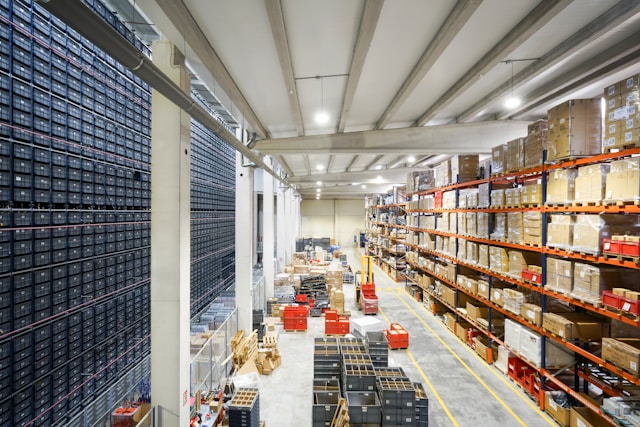
3PL ecommerce fulfillment is when an ecommerce business hires a 3PL provider to handle some or all of its order fulfillment. Your products are stored in a warehouse, then picked, packed, and shipped when customers place orders.
The provider may also offer fulfillment services such as returns processing, inventory management, kitting, custom packaging, and inserts. The exact range of services depends on what your business needs.
The important part is that you don't have to manage the warehouse yourself. Your ecommerce platform sends orders to the 3PL, and its team handles the physical work.
Differences Between 3PL Ecommerce Fulfillment and Fulfilling Orders In-House
With in-house fulfillment, your team does the work. You buy the packing materials, store the inventory, pick products, prepare shipments, and deal with returns.
That can work perfectly well at a smaller scale. Once the ecommerce business starts growing, though, fulfillment can start eating into your time and warehouse space.
With 3pl fulfillment, those tasks move to an outside provider. You pay for the storage and fulfillment services you use instead of taking on more warehouse space or hiring a larger fulfillment team yourself.
There is also a practical difference in the way the business grows. Adding 500 more orders to an in-house operation can mean adding staff and space. A 3PL fulfillment partner is already set up to handle changing order volumes.
How the 3PL Fulfillment Process Works
The 3PL fulfillment process starts when your products arrive at the warehouse. From there, the 3PL manages inventory, processes incoming orders, ships them, and handles returns. Below is a detailed breakdown of the steps:
1. Receiving and Storage
The first step is getting your stock into the 3PL warehouse. then the team receives the shipment, checks the products, records the quantities, and puts the inventory into storage.
A warehouse management system for the 3PL keeps track of where products are stored and how much stock is available. That information should be available to you as well, so you can manage inventory without having to call the warehouse every time you want an update.
The amount of warehouse space you need depends on your product range and sales. A business selling small products may need far less space than one shipping large or bulky items.
2. Order Integration and Picking
Your ecommerce platform needs to connect with the 3PL's systems. Once the integration is working, new orders can move to the warehouse without someone having to enter them manually.
The warehouse team then picks the products for each order. If an order contains five items, all five need to be found and checked before it goes to packing. Evidently, good integration with ecommerce platforms makes this much easier. It also keeps order processing moving when sales pick up.
3. Packing and Shipping
After picking, the products are packed according to your instructions. Some ecommerce brands need basic packaging, while others want branded boxes, inserts, bundles, or other custom options.
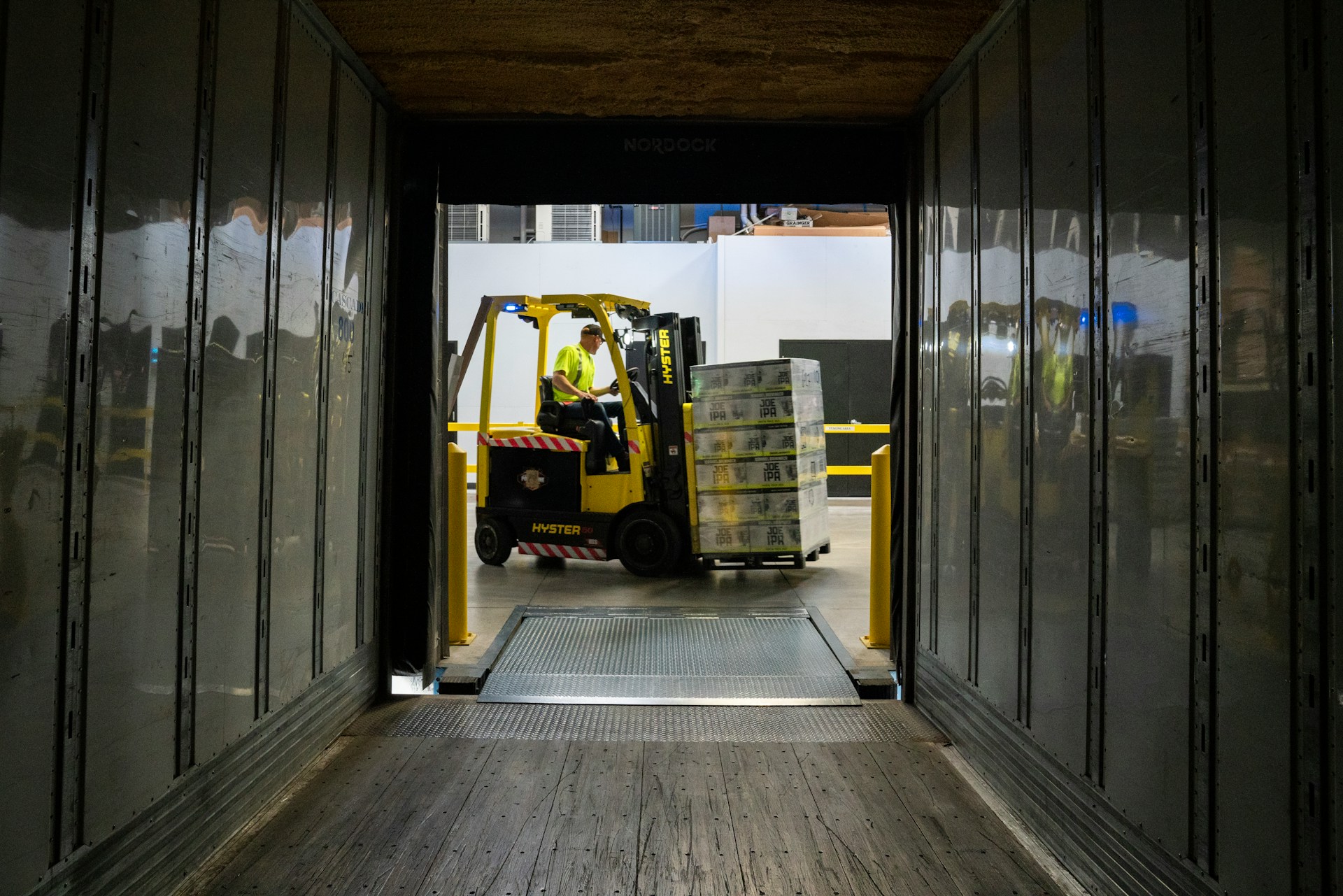
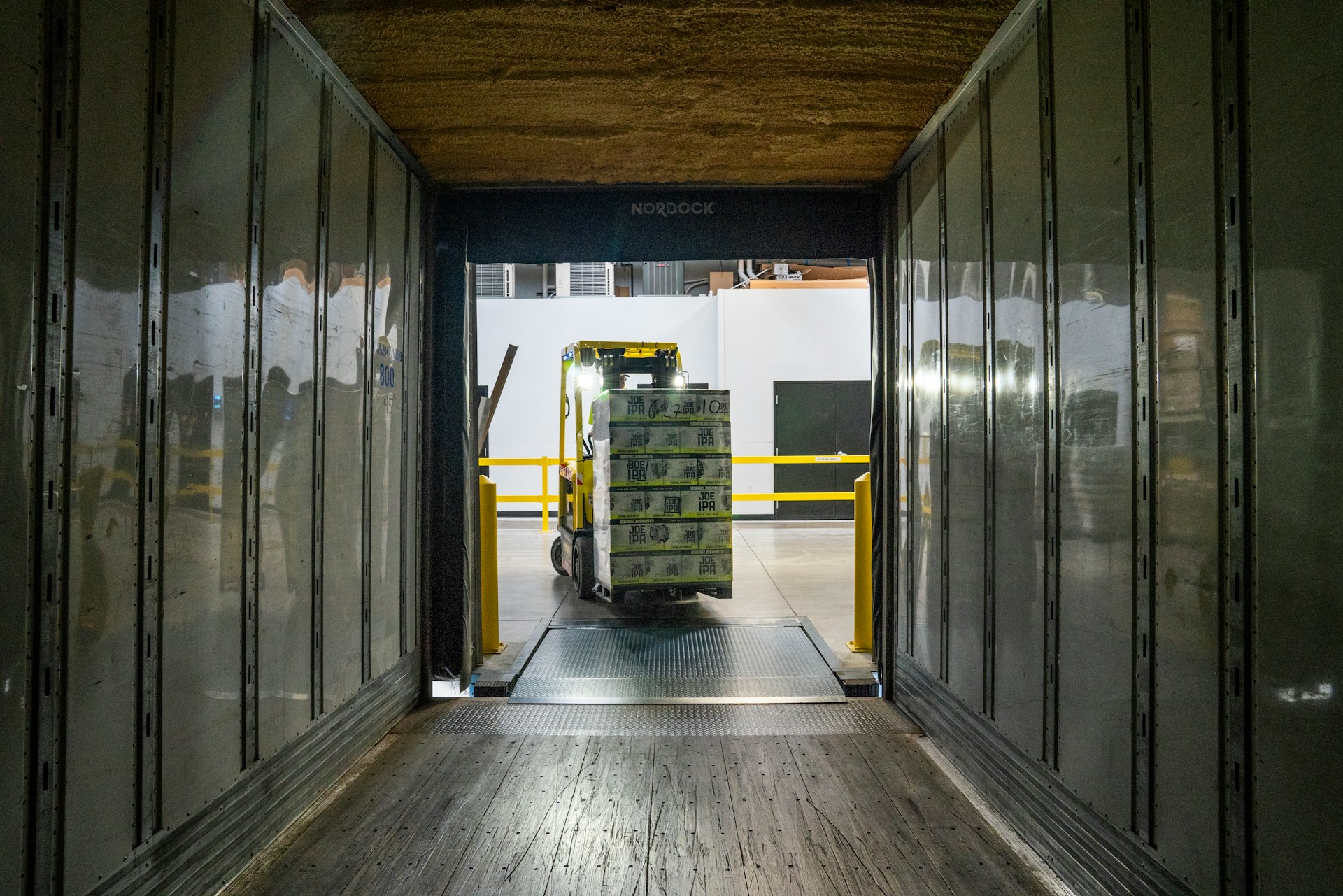
The package is then labelled and sent to the carrier. Tracking information can be passed back to your ecommerce platform so the customer can follow the shipment.
Shipping is also where ecommerce logistics and 3pl logistics can have a direct effect on your costs. If your inventory is stored close to your customers, packages may have shorter delivery routes too.
4. Returns Processing
Returns are another job you can hand over when using a 3PL. Returned products can be received at the warehouse, inspected, and handled according to your rules.
A product in good condition might go back into inventory while a damaged item may need to be held separately. Your returns policy should be clear before you start. Ultimately, the 3PL needs to know what to do with refunds, damaged goods, opened products, and items that can be resold.
What Does 3PL Fulfillment Cost?
The cost of 3pl fulfillment depends on your products and the amount of work the provider handles.
Storage is one cost. You may also pay for receiving inventory, picking and packing, order processing, shipping, and returns. Extra 3pl services, such as kitting or custom packaging, can have separate fees.
Product size matters because larger products use more warehouse space. Order volume matters too. A business sending 50 orders a month has very different needs from one sending 5,000.
When comparing fulfillment companies, ask for the complete pricing structure. A low pick-and-pack fee won't tell you much if storage, receiving, returns, and other charges are high.
When Does It Make Sense to Outsource Fulfillment?
There isn't a universal order number that tells you when to use a 3PL. Look at the amount of time you're spending on fulfillment, what your current setup costs, and how much room you have to grow.
1. Order Volume Has Outgrown Available Space and Time
As orders increase, warehouse space disappears and order fulfillment takes longer. You may also find that you or your employees are spending hours each day on packing instead of sales, customer service, or other work. Ultimately, outsourcing fulfillment gives you access to dedicated warehouse space and fulfillment operations without having to expand your own premises.
2. Shipping Costs Are Eating Into Margins
Shipping costs can be difficult to control when you're handling every order yourself. Additionally, you need to pay for boxes, labels, packing materials, and the time spent preparing shipments.
A 3PL provider may have established shipping arrangements that help with these costs. Its fulfillment network can also give you access to strategically located fulfillment centers. However, before partnering with a 3PL, compare the full cost of your current setup with its pricing. Include labor, storage, packaging, and shipping.
3. Customers Expect Faster Delivery
Customers have become less patient with slow ecommerce shipping. If an order takes several days to leave your warehouse, that can become a problem.
A 3PL can help shorten the time between receiving an order and getting it out the door. Plus, if the provider has multiple warehouses, you may also be able to store products closer to customers and that can be especially useful for growing ecommerce brands selling across a large area.
4. Customers Expect Reliable Order Fulfillment
When you're dealing with a growing number of orders, mistakes can happen. A good 3PL fulfillment partner should have processes for picking, checking, packing, and shipping orders accurately. So, ask about accuracy rates and service levels before you sign an agreement. Also, find out what happens if the 3PL makes a picking or shipping error too.
5. Sales Are Seasonal or Spiky
Some ecommerce companies have predictable sales. Others get a rush of orders during holidays, promotions, or new product launches. Those busy periods can be difficult to handle with a small in-house team. You may need temporary workers and additional warehouse space, even though you won't need them all year.
Using 3PL services can give you more room during these peaks. It can also make it easier to plan for growth without constantly changing your own fulfillment setup.
How to Choose the Right 3PL Partner
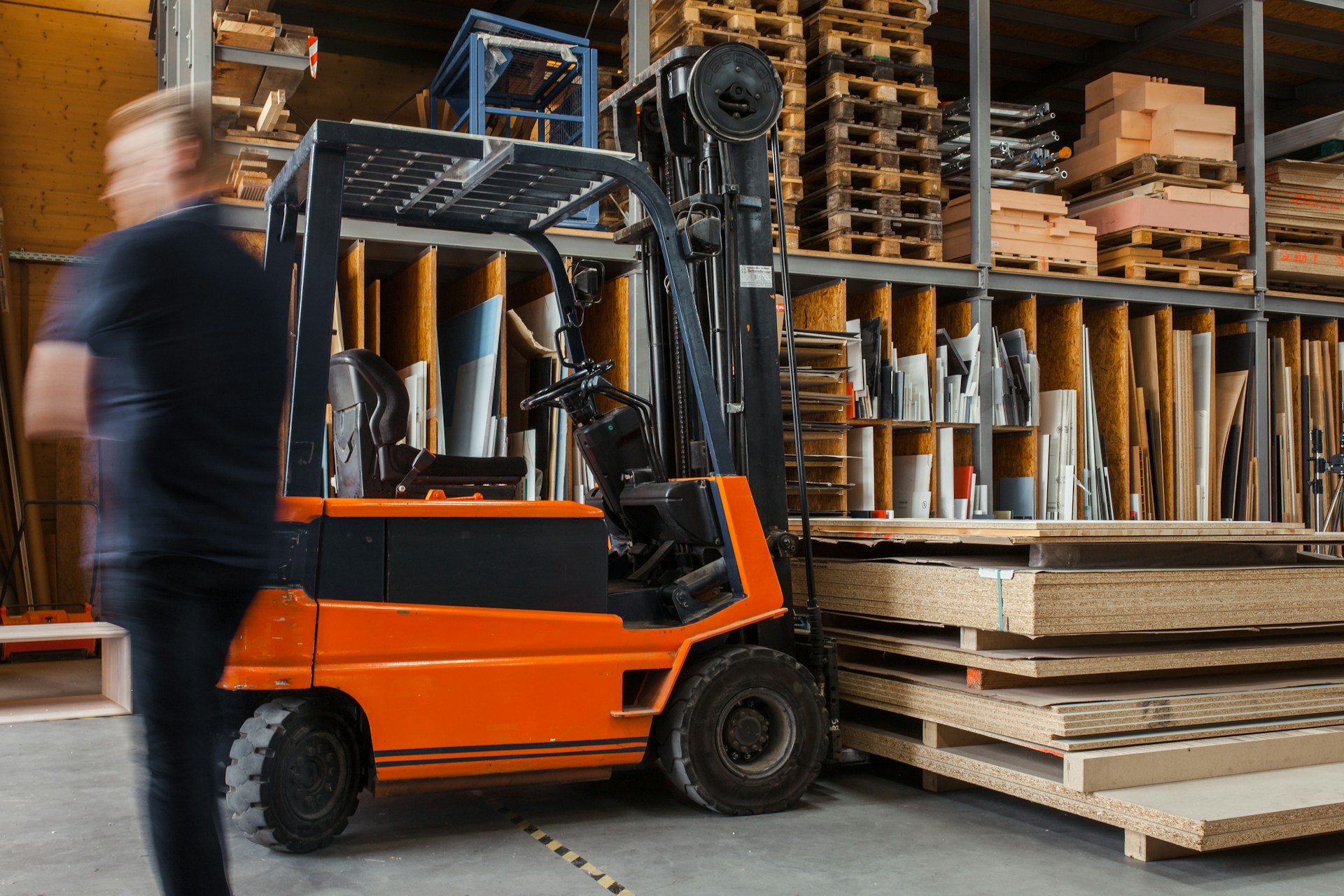
Choosing a 3PL is about finding a provider that fits the way your business works. After all, the best 3PL for one ecommerce business may be a poor fit for another. So before selecting a 3PL, look at its systems, warehouse setup, service levels, and experience with products like yours. Here's what to consider:
1. Technology and Integrations
Your 3PL should work with the ecommerce platform you already use. Ask how orders move from your store to the warehouse and how inventory updates get back to you.
A good warehouse management system should give you a clear view of stock and orders. Integration with ecommerce platforms should also reduce manual order processing.
If you sell through several channels, check that the provider can handle them all. You don't want your team switching between systems to keep track of basic order information.
2. Accuracy and Service Levels
Ask how the provider measures picking and packing accuracy. You should also ask about order processing times, shipping cut-offs, inventory accuracy, and returns.
These details tell you what you can expect once the 3PL starts handling your orders.
Find out what happens when something goes wrong. If an order is packed incorrectly or a shipment is delayed, you need to know who deals with it and how quickly.
3. Communication
Before signing up, find out who you'll contact when there is a stock issue, shipping problem, or unexpected delay. Ask how support works and what kind of response time you can expect.
Good communication becomes even more important as your order volume grows. You need a 3PL partner that keeps you informed when something needs your attention.
4. Fit for the Product Type
Some products need special storage or handling. Others may need custom packaging, inserts, kitting, or specific shipping arrangements. Therefore, ask what the provider already handles and whether it can support your requirements as the ecommerce business grows. The right 3PL fulfillment should fit your products rather than forcing you to change how you sell them.
Common Mistakes People Make When Switching to a 3PL
Price is an easy thing to focus on when you're comparing 3pl fulfillment companies. It shouldn't be the only thing you look at. A provider with low rates can become expensive if orders are regularly wrong or extra fees keep appearing.
Don't move your inventory before your systems are ready either. Your SKUs, product information, inventory counts, packaging instructions, and ecommerce integrations should all be checked first.
Test the order fulfillment process before going live. Send a few test orders through the system and make sure the right products are picked, shipping information is correct, and inventory changes properly.
Returns need attention too. Decide in advance how returned products should be checked, restocked, or set aside.
Finally, give yourself enough time to make the switch. Moving a whole fulfillment operation while you're in the middle of your busiest sales period is asking for trouble.
Frequently Asked Questions
1. What is the difference between a 3PL and a fulfillment center?
A fulfillment center is a warehouse where products are stored and customer orders are picked, packed, and shipped.
A 3PL, or third-party logistics provider, can offer those services along with other logistics work. This may include inventory management, transportation, returns, warehousing, and other supply chain services.
In simple terms, a fulfillment center handles order fulfillment, while a 3PL can manage a wider range of logistics operations and fulfillment services.
2. How many orders per month justify using a 3PL?
There isn't a fixed number.
For some e-commerce companies, a few hundred orders a month can be enough to make outsourcing fulfillment worthwhile. Others can handle much higher volumes themselves.
Look at your own numbers. If order fulfillment is taking hours of your day, filling your available warehouse space, or costing more than expected, it may be time to consider using a 3PL.
3. Can a 3PL handle custom packaging and inserts?
Yes, many 3PL fulfillment services offer custom packaging, inserts, kitting, and other value-added services.
Ask about these services before choosing a provider. Find out how your packaging materials will be stored, how inserts are added to orders, and whether there are additional handling fees.
4. What happens if a 3PL makes a shipping error?
Your agreement should explain what happens when the 3PL makes a fulfillment or shipping error. The provider may investigate the issue, correct the inventory, arrange a replacement, or cover certain costs, depending on the circumstances and your contract.
Ask about incorrect picks, damaged orders, lost shipments, and wrong addresses before you start working together. Knowing how these problems are handled can save a lot of frustration later.
5. How long does it take to get set up with a 3PL?
Setup time depends on your business and the 3PL provider. A small ecommerce store with a limited product range can usually be set up more quickly than a business with hundreds of SKUs, several sales channels, or complex fulfillment requirements.
You'll normally need to connect your ecommerce platform, provide product and inventory information, agree on fulfillment rules, and send stock to the warehouse. Testing the setup before taking live orders is worth doing.
Conclusion
For a growing ecommerce business, handling every order in-house can become difficult to justify. Storage takes up more space, order processing takes more time, and shipping costs can start cutting into margins.
3PL ecommerce fulfillment gives you another way to handle that growth. A third-party logistics provider can take care of the warehouse, inventory, order fulfillment, shipping, and returns while you focus on running the business.
The right 3PL partner should fit your products, order volume, technology, customers, and budget. Take the time to compare the full cost and understand exactly what the provider will handle.
You don't need to outsource fulfillment simply because your order numbers are growing. But when warehouse work starts getting in the way of the business, using a 3PL can make a lot of sense.