

Running a business without a reliable inventory tracking system is a little like driving at night without headlights. You may keep moving forward, but eventually, something gets missed. Whether it’s inaccurate inventory levels, delayed customer orders, or products disappearing somewhere inside the warehouse, poor inventory control can quietly damage operations, customer satisfaction, and profitability.
That’s why more ecommerce brands are investing in better inventory management software and fulfillment support. Companies working with ShipwithMina, for example, benefit from streamlined warehouse operations, real-time inventory tracking, and smarter supply chain management solutions that make it easier to manage inventory across multiple locations.
As customer demand continues to grow, businesses need accurate inventory tracking more than ever. The ability to monitor inventory in real time doesn’t just improve order fulfillment. It also helps reduce carrying costs, prevent stockouts, and improve inventory accuracy across the entire supply chain.
What Is Inventory Tracking?
Inventory tracking refers to the process of monitoring all inventory items throughout the supply chain. It involves keeping track of products in stock, monitoring inventory levels inside a warehouse, updating stock movement, and ensuring customer orders are fulfilled accurately and on time.
In simple terms, inventory tracking is the process businesses use to know exactly what products they have, where those products are located, and when inventory needs to be reordered. Without an efficient inventory tracking system, businesses often struggle with inaccurate inventory data, excess inventory, and delayed shipments that hurt both operations and customer trust.
Modern inventory management systems make inventory tracking much easier by giving businesses access to real-time inventory updates, automated tracking processes, and centralized inventory visibility.
Why Inventory Tracking Matters
Inventory management has become significantly more complex over the last few years. Businesses are now handling inventory from suppliers across multiple regions, managing inventory across multiple locations, and fulfilling customer orders through different online sales channels.
When inventory tracking becomes disorganized, problems quickly follow.
- Businesses may experience stockouts during peak demand, causing missed sales and frustrated customers.
- Holding too much inventory increases carrying costs and wastes valuable storage space inside the warehouse.
- Inaccurate tracking data can affect purchasing decisions and create problems throughout the supply chain.
- Poor inventory visibility makes it harder to maintain accurate inventory levels and improve inventory turnover.
Accurate inventory tracking helps businesses avoid these challenges by providing visibility into exact inventory levels and inventory movement. With better inventory data, businesses can make informed decisions about purchasing, inventory forecasting, stock control, and warehouse operations.
Common Inventory Tracking Challenges
Many businesses still rely on manual inventory tracking methods such as spreadsheets, pen and paper, or outdated card system processes. While these approaches may work temporarily for smaller businesses, they often create serious operational problems as inventory grows.
1. Inaccurate Inventory Levels
Manual inventory tracking increases the chances of human error during inventory updates, especially when employees are managing inventory across multiple locations at the same time. This often results in inaccurate stock counts, making it difficult for businesses to maintain reliable inventory records. As a result, incorrect inventory data can lead to delayed shipments, stock issues, and poor customer experiences that ultimately affect customer satisfaction and business performance.
2. Stockouts and Excess Inventory
Businesses without real-time inventory tracking often struggle to maintain the right inventory balance, making it difficult to respond quickly to changes in demand. Ordering too little inventory can lead to stockouts, missed sales, and lost revenue opportunities, while ordering too much inventory increases carrying costs and creates excess inventory that takes up valuable warehouse space.
3. Poor Visibility Across the Supply Chain
Tracking inventory with spreadsheets makes it difficult for businesses to monitor inventory demand trends accurately, especially as operations grow. Without reliable tracking data, inventory forecasting becomes less effective, leading to poor purchasing decisions and stock imbalances. Limited visibility across inventory and warehouse activities can also create delays in warehouse operations and order fulfillment, affecting overall efficiency and customer satisfaction.
Inventory Tracking Methods Businesses Use
There are several approaches to inventory management, and the best inventory tracking method depends on the size and complexity of the operation.
1. Manual Inventory Tracking
Manual inventory tracking involves using spreadsheets, pen and paper, or simple card system methods to manage stock levels and inventory records. While this approach may work for smaller businesses, it quickly becomes inefficient as businesses scale and inventory levels grow. Over time, manual inventory tracking often leads to inaccurate inventory control, data inconsistencies, and slower warehouse operations that can negatively impact overall business efficiency.
2. Barcode Scanning
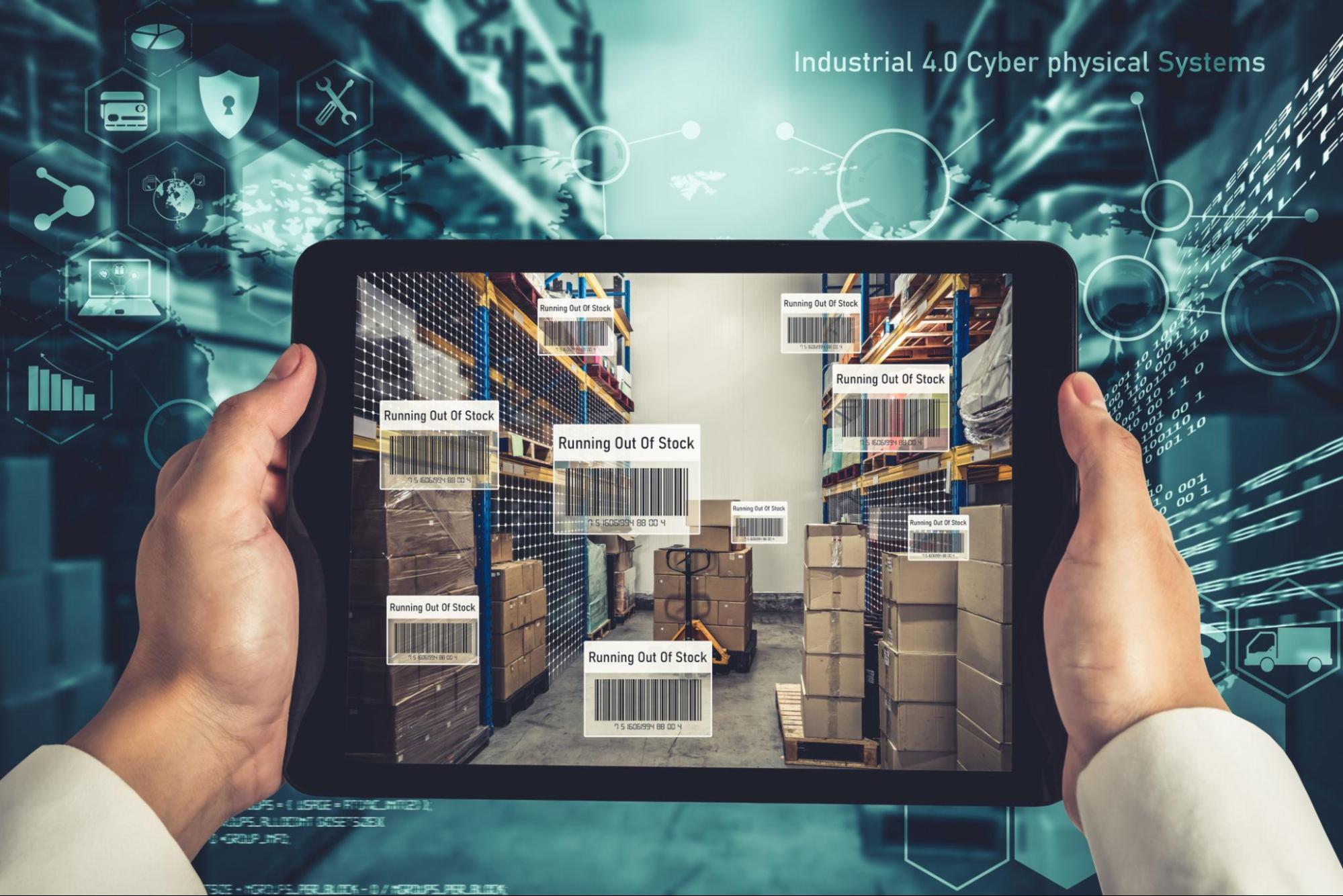
Barcode scanners automatically capture tracking data whenever products move through the warehouse, helping businesses maintain accurate and up-to-date inventory records. By reducing the need for manual data entry, barcode scanning minimizes human errors and improves overall inventory accuracy. This streamlined process also allows businesses to process customer orders faster, leading to better order fulfillment efficiency and improved customer satisfaction.
3. Radio Frequency Identification (RFID)
Radio frequency identification systems use wireless technology to automatically monitor and track inventory items throughout the supply chain. Unlike manual processes, RFID supports real-time inventory tracking without requiring employees to scan every product individually. This makes inventory management faster, more accurate, and more efficient, which is why many large warehouses rely on RFID for advanced inventory control and automated tracking operations.
4. Inventory Tracking Software
Inventory tracking software combines barcode scanning, automated systems, and inventory forecasting tools into one platform, allowing businesses to monitor inventory levels and automate reorder points more efficiently. With advanced inventory management features, businesses can improve stock control, maintain better inventory accuracy, and streamline operations across the entire supply chain.
The Benefits of Real-Time Inventory Tracking
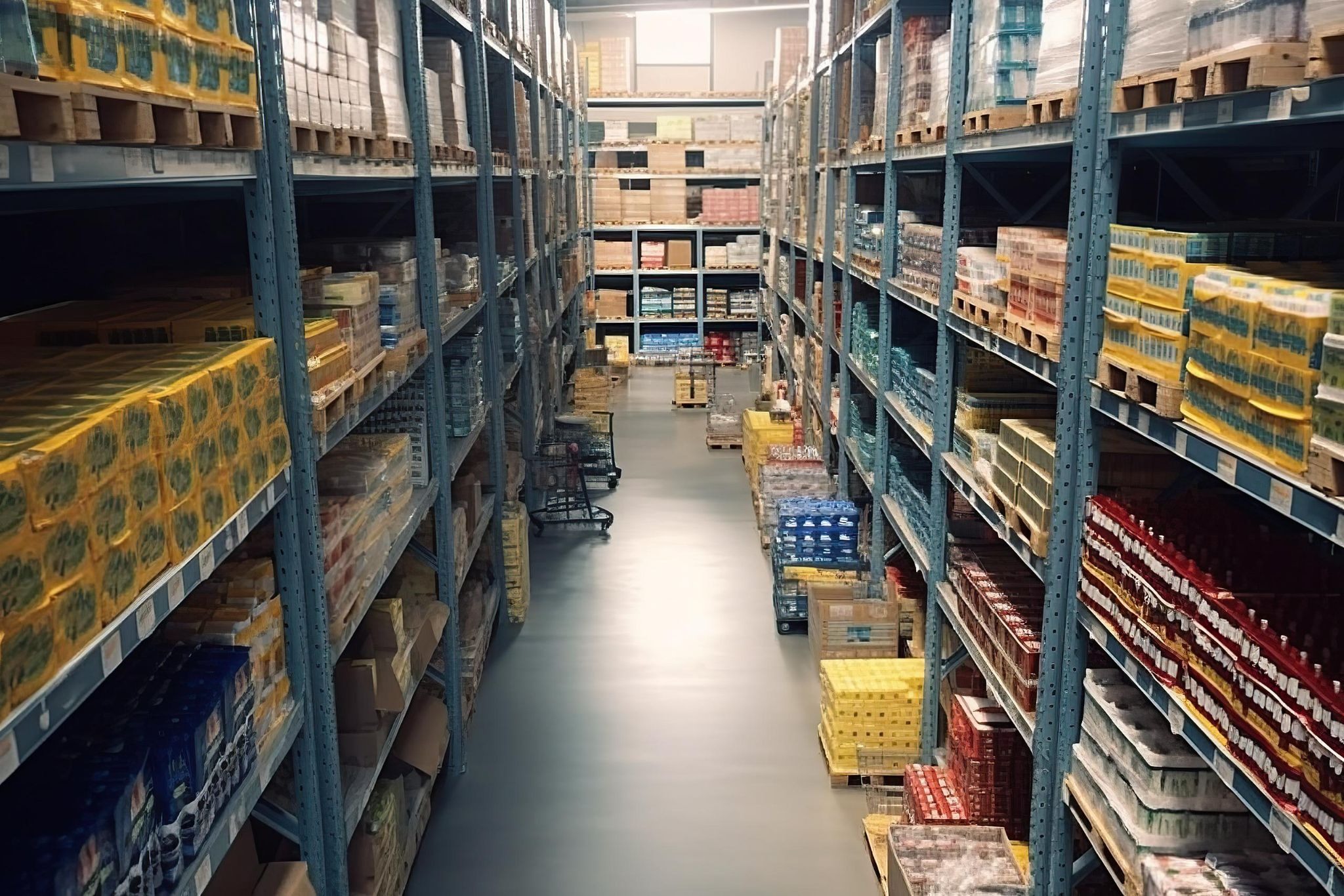
Real-time inventory tracking has changed the way businesses manage inventory. Instead of waiting for manual inventory updates or conducting time-consuming stock checks, businesses can instantly monitor inventory movement and stock levels.
1. Better Inventory Accuracy
Real-time tracking helps businesses maintain accurate inventory across warehouses and sales channels by ensuring that inventory updates happen instantly, which significantly reduces delays and inventory discrepancies. As a result, businesses gain access to more accurate tracking data for daily operations, allowing them to make faster and more informed decisions while improving overall efficiency.
2. Faster Order Fulfillment
Warehouse teams can quickly locate products in stock, making day-to-day operations smoother and more efficient. This speed carries through to faster picking and packing, which significantly improves overall order fulfillment speed. With accurate inventory levels maintained, businesses also experience fewer shipping delays and a reduction in canceled customer orders, leading to a more reliable and satisfying customer experience.
3. Smarter Inventory Forecasting
Businesses can analyze inventory demand trends more effectively when they have accurate and consistent tracking systems in place. This data allows companies to prepare ahead for seasonal sales fluctuations, ensuring they stay aligned with customer demand throughout the year. With improved forecasting, businesses can significantly reduce the risk of stockouts and excess inventory, leading to smoother operations and more efficient inventory management overall.
4. Lower Carrying Costs
Businesses avoid overstocking unnecessary inventory items, allowing them to keep stock levels lean and better aligned with actual demand. This also ensures storage space is used more efficiently across the warehouse, reducing clutter and improving overall organization. As a result, companies are able to reduce inventory costs by maintaining the right balance of stock levels without tying up excess capital in unused goods.
How Inventory Tracking Helps Prevent Stockouts
Stockouts are one of the fastest ways to lose customers. When shoppers repeatedly see unavailable products or delayed shipments, they often turn to competitors instead.
Efficient inventory tracking helps businesses prevent stockouts in several ways.
- Businesses can monitor inventory levels in real time and respond faster to low stock alerts.
- Automated reorder points help companies reorder products before inventory runs out completely.
- Tracking your inventory from suppliers improves visibility across the supply chain.
- Businesses can identify fast-selling inventory items and adjust purchasing decisions based on customer demand.
Inventory Tracking Best Practices
Businesses that want to improve inventory control should focus on building consistent and efficient tracking processes.
1. Use Automated Tracking Systems
Automated systems help reduce repetitive manual inventory tasks, allowing teams to focus on more strategic operations. Businesses also benefit from improved accuracy in tracking across warehouse operations, ensuring stock levels remain reliable and up to date. Overall, automated tracking significantly increases inventory accuracy and boosts operational efficiency, leading to smoother workflows and better decision-making.
2. Conduct Frequent Inventory Audits
Cycle counts help businesses maintain accurate inventory levels by ensuring that stock records are consistently verified and corrected when needed. Frequent inventory audits also help identify discrepancies early, before they grow into larger operational issues that disrupt supply chains. Overall, regular audits improve inventory valuation and strengthen stock control accuracy, giving businesses better visibility and more reliable decision-making.
3. Improve Warehouse Organization
Organized storage space improves picking speed inside the warehouse, making it easier for staff to locate items quickly and reduce delays. Better warehouse layouts also simplify barcode scanning and inventory updates, ensuring smoother and more accurate tracking of stock movements. As a result, overall warehouse efficiency improves significantly during order fulfillment operations, leading to faster processing times and improved customer satisfaction.
4. Monitor Inventory Turnover
Businesses can identify slow-moving inventory items more easily, helping them understand which products are underperforming and need attention. By monitoring inventory turnover, companies can improve forecasting accuracy and make more informed purchasing decisions. This also helps them avoid overstocking and carrying excess inventory for long periods, ultimately reducing storage costs and improving overall inventory efficiency.
Why Businesses Are Moving Away From Manual Inventory

As businesses grow, manual inventory processes become increasingly difficult to manage. Spreadsheets and pen and paper systems may work for very small operations, but they often create delays, inaccurate tracking data, and inefficient warehouse workflows once order volumes increase.
- Manual inventory tracking slows inventory updates and warehouse operations.
- Human error becomes more common as inventory complexity increases.
- Businesses struggle to manage inventory efficiently across multiple locations.
- Modern inventory management software provides real-time inventory visibility and automated tracking solutions.
The Role of Third-Party Logistics in Inventory Management
Third-party logistics providers help businesses simplify inventory management and improve supply chain efficiency.
A reliable 3PL partner can provide:
- Real-time inventory tracking and centralized inventory visibility.
- Warehouse management support and faster order fulfillment.
- Inventory forecasting insights and accurate inventory monitoring.
- Inventory management solutions for businesses operating across multiple locations.
Businesses partnering with ShipwithMina can improve inventory visibility, streamline warehouse operations, and maintain accurate inventory control while scaling operations more efficiently.
Choosing the Right Inventory Management Solution
Not every inventory management solution offers the same capabilities. Businesses should choose inventory management software that supports both current operations and future growth plans.
A strong inventory tracking system should include:
- Real-time inventory tracking and automated inventory updates.
- Barcode scanning support and centralized inventory dashboards.
- Automated reorder points and inventory forecasting tools.
- Order management integration and multi-location inventory visibility.
- Accurate tracking features that improve supply chain coordination.
The right inventory management software should ultimately make inventory tracking easier, more accurate, and more scalable as business demands grow.
Final Thoughts
Inventory tracking is no longer just a warehouse responsibility. It has become a critical part of inventory management, supply chain management, and customer satisfaction.
Businesses that invest in accurate inventory tracking systems can improve inventory accuracy, reduce inventory costs, prevent stockouts, and optimize warehouse operations. Whether using barcode scanners, RFID technology, or advanced inventory tracking software, the goal remains the same: maintain accurate inventory levels while improving operational efficiency.
With experienced logistics partners like ShipwithMina, businesses can simplify inventory tracking, improve order fulfillment, and scale confidently in an increasingly competitive market.
Inventory Tracking FAQs
What is inventory tracking?
Inventory tracking is the process of monitoring inventory items, stock levels, and product movement throughout the supply chain to maintain accurate inventory control.
Why is real-time inventory tracking important?
Real-time inventory tracking helps businesses maintain accurate inventory levels, improve order fulfillment, and prevent stockouts before they affect customer orders.
What are the benefits of inventory tracking?
The benefits of inventory tracking include improved inventory accuracy, lower carrying costs, better warehouse efficiency, stronger stock control, and improved supply chain visibility.
What is the best inventory tracking method?
The best inventory tracking method depends on the size of the business and operational needs. Many businesses use barcode scanning, RFID systems, or inventory management software for more accurate tracking.
How does inventory management software help businesses?
Inventory management software helps businesses automate tracking processes, monitor inventory levels in real time, improve inventory forecasting, and manage inventory more efficiently.
What causes inventory tracking challenges?
Common inventory tracking challenges include manual inventory processes, inaccurate tracking data, poor warehouse organization, and lack of real-time visibility into inventory levels.