

Modern businesses rely on efficient 3pl operations to manage inventory, streamline order fulfillment, and improve supply chain performance. As customer expectations continue to rise, companies need smarter warehouse management strategies, real-time visibility, and automation to improve efficiency and reduce operational costs.
An experienced third-party logistics provider like ShipwithMina helps businesses optimize warehouse operations, improve inventory management, and create seamless fulfillment workflows. In this guide, we’ll cover the most effective 3pl best practices for improving operational efficiency, customer satisfaction, and long-term supply chain success.
What Is a 3PL?
A 3pl, or third-party logistics provider, is a company that manages logistics services for businesses. These services often include warehousing, inventory tracking, shipment management, order processing, picking and packing, transportation coordination, and returns management.
Businesses partner with 3pls to improve efficiency and reduce the complexity of running logistics internally. A good 3pl provider helps companies streamline operations while maintaining visibility across the supply chain. Instead of manually managing warehouse operations, businesses can use advanced 3pl software and cloud-based warehouse management systems to automate processes and improve productivity.
As the logistics industry becomes increasingly technology-driven, modern 3pls are investing heavily in robotics and automation, real-time inventory tracking, and analytics to improve warehouse performance and customer service.
Why 3PL Best Practices Matter
Without efficient workflows and standardized warehouse management processes, a 3pl operation can quickly experience delays, inaccurate inventory data, rising labor costs, and poor order fulfillment performance. These issues not only reduce operational efficiency but also negatively impact customer satisfaction.
Implementing strong 3pl best practices helps businesses optimize inventory management, improve shipment accuracy, and streamline warehouse operations. Businesses that use data-driven logistics strategies are also better equipped to identify areas for improvement and proactively respond to supply chain disruption.
A well-organized warehouse supported by modern warehouse management software creates a more seamless fulfillment process while helping businesses scale more efficiently.
3PL Best Practices
1. Implement a Modern Warehouse Management System
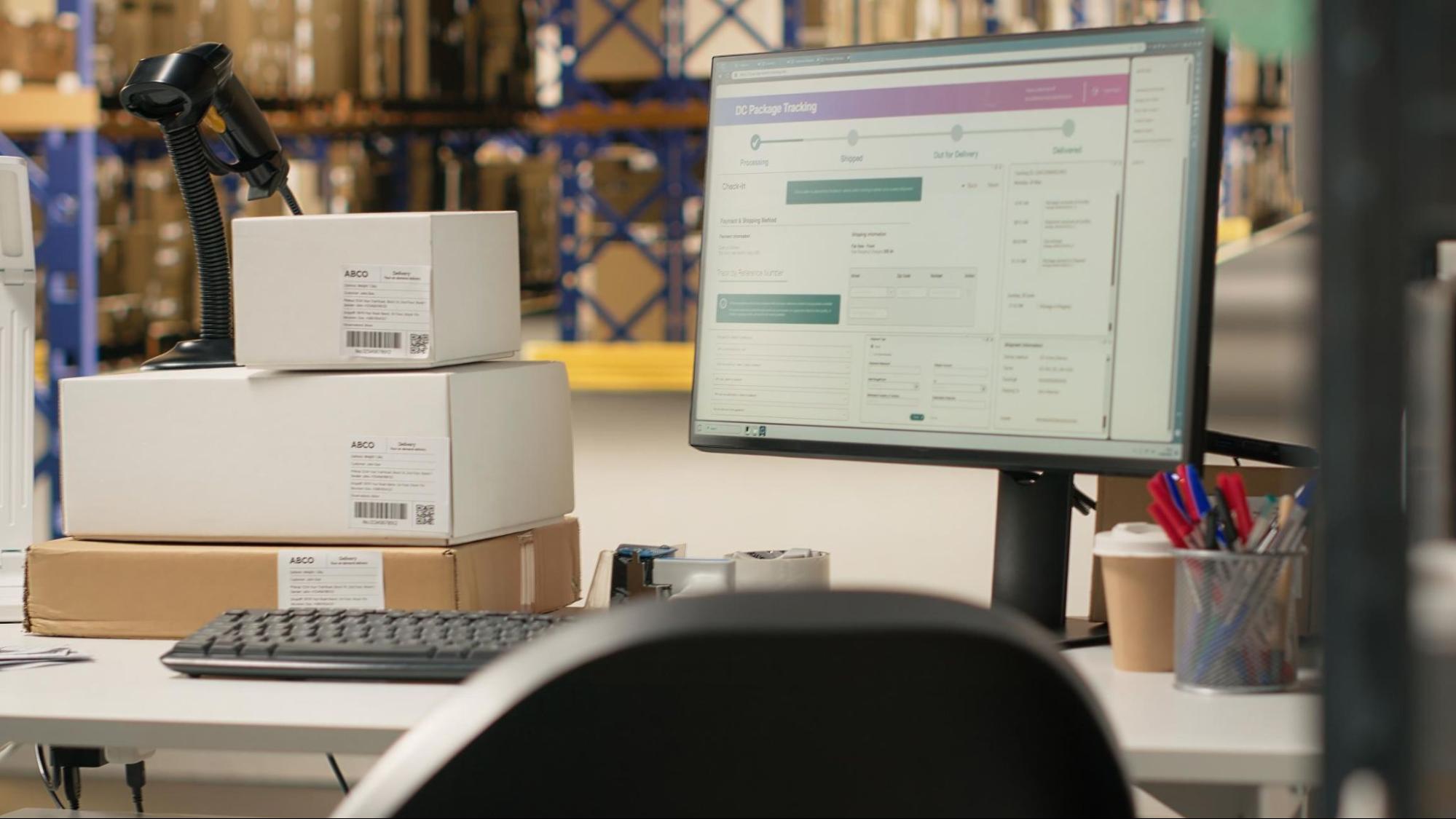
One of the most important investments any 3pl business can make is a reliable warehouse management system. A cloud-based WMS provides real-time visibility into inventory levels, order fulfillment status, shipment tracking, and warehouse productivity.
Warehouse management software plays a critical role in helping businesses automate repetitive tasks and reduce manual data entry. Instead of relying on disconnected spreadsheets or outdated workflows, 3pls can centralize inventory management and warehouse operations within one system.
A strong warehouse management system also improves order processing by helping warehouse teams optimize picking methods, monitor inventory tracking in real-time, and maintain accurate stock levels. This allows businesses to improve efficiency while minimizing the risk of errors that often occur during picking and packing workflows.
As order volumes grow, scalable warehouse management software becomes even more important. Businesses that implement cloud-based systems gain better operational visibility and can make informed decisions using analytics and real-time reporting.
2. Optimize Warehouse Layout and Warehouse Zone Planning
Warehouse layout directly impacts productivity, travel time, and order fulfillment speed. Poor warehouse organization often leads to congestion, inefficient workflows, and delayed shipments.
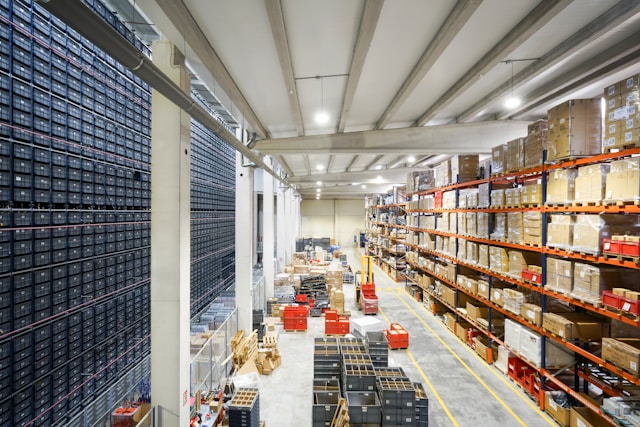
One of the most effective 3pl best practices is implementing warehouse zone planning. This strategy organizes products based on inventory movement, shipment frequency, and order demand. Fast-moving products should be stored closer to packing stations to reduce travel time and improve picking efficiency.
A well-organized warehouse also improves operational efficiency by creating clear workflows for receiving, storage, picking and packing, and shipping. Clearly labeled aisles, dedicated staging areas, and optimized storage systems help warehouse employees work faster while reducing confusion.
Reducing unnecessary movement inside the warehouse is one of the simplest ways to improve productivity. Businesses that optimize warehouse layout often see faster delivery times, better order processing accuracy, and improved customer satisfaction.
3. Automate Repetitive Warehouse Processes
Automation has become essential for running a successful 3pl operation. As fulfillment volumes increase, manual workflows become slower, more expensive, and more prone to errors.
Modern 3pl software allows businesses to automate inventory tracking, shipment notifications, order processing, receiving process verification, and 3pl billing workflows. Automating these tasks helps businesses streamline operations while reducing administrative workload.
Manual data entry is one of the biggest causes of inventory discrepancies and fulfillment delays. Automation reduces the risk of errors while improving data accuracy across warehouse management systems.
Many logistics warehouses are also using robotics and automation to improve operational efficiency. Automated sorting systems, robotic picking tools, and conveyor technologies help reduce travel time and accelerate order fulfillment during peak shipping periods.
Businesses that invest in robotics and automation are often better positioned to scale operations efficiently while maintaining consistent service quality.
4. Improve Real-Time Visibility Across the Supply Chain
Real-time visibility is critical for effective supply chain management. Businesses need accurate and up-to-date inventory data to make informed decisions and proactively manage fulfillment operations.
Modern warehouse management systems provide real-time visibility into stock levels, shipment status, warehouse productivity, and order processing performance. This visibility allows businesses to respond quickly to delays, inventory shortages, and operational disruptions before they impact customers.
Real-time inventory tracking also improves customer satisfaction by providing more accurate delivery updates and shipment notifications. Customers increasingly expect transparency throughout the fulfillment process, especially in ecommerce environments where fast shipping has become standard.
Businesses that lack real-time visibility often struggle with inaccurate inventory levels, delayed shipments, and inefficient workflows. Investing in cloud-based warehouse management software helps create a more seamless logistics operation while improving communication across the supply chain.
5. Strengthen Inventory Management and Inventory Tracking
Inventory management remains one of the most important functions in any 3pl warehouse. Poor inventory management can result in stock discrepancies, delayed shipments, overstocking, and lost revenue.
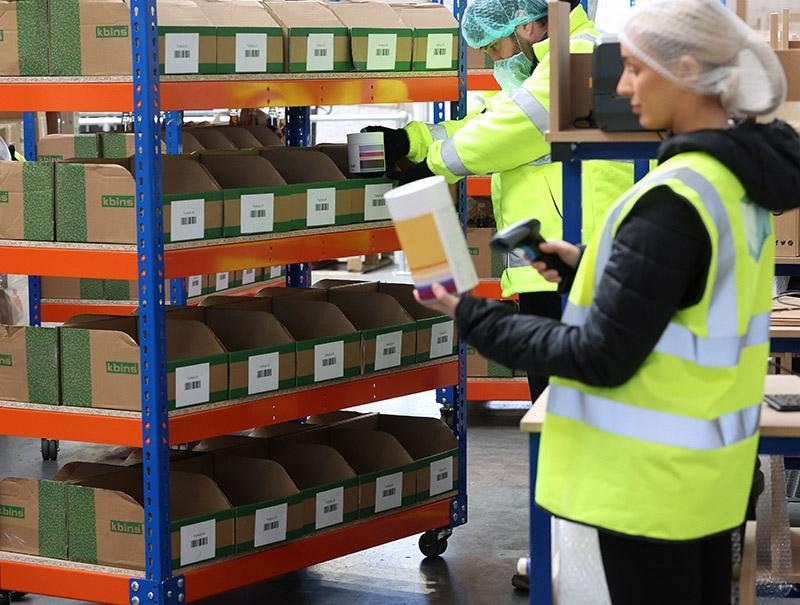
Accurate inventory tracking helps businesses maintain healthy inventory levels while improving order fulfillment performance. Many 3pls now use radio frequency identification technology to improve warehouse visibility and reduce manual scanning errors.
Automated inventory tracking systems provide real-time updates whenever products move through the warehouse. This reduces the need for manual inventory counts and helps businesses maintain accurate inventory data across multiple sales channels.
Regular inventory audits are also important for maintaining operational accuracy. Businesses that proactively monitor inventory levels can identify inconsistencies early and minimize disruption to warehouse workflows.
Strong inventory management processes help businesses optimize fulfillment operations while improving customer trust and delivery reliability.
6. Optimize Picking and Packing Workflows
Picking and packing processes directly affect shipment accuracy and delivery times. Inefficient picking methods can slow order fulfillment and increase labor costs.
Many 3pls optimize warehouse workflows by implementing structured picking strategies such as zone picking, wave picking, and batch picking. The right approach depends on warehouse size, inventory volume, and order complexity.
Reducing travel time during picking operations is one of the most effective ways to improve efficiency. Businesses that strategically organize inventory and optimize warehouse layout can significantly increase productivity while reducing fulfillment delays.
Packing workflows should also be standardized to minimize the risk of errors. Consistent labeling procedures, automated packing verification, and organized packing stations help create a more seamless order fulfillment process.
Efficient picking and packing operations not only improve operational efficiency but also contribute to better customer satisfaction through faster and more accurate deliveries.
7. Use Analytics to Identify Areas for Improvement
Analytics play a major role in improving warehouse management and supply chain performance. Businesses that rely on data-driven decision-making are often more successful at optimizing workflows and improving operational efficiency.
Modern warehouse management systems provide detailed analytics related to inventory turnover, shipment accuracy, order processing times, labor productivity, and warehouse utilization. These insights help businesses identify areas for improvement before small issues become larger operational problems.
Tracking key performance indicators allows 3pls to improve efficiency while maintaining better control over warehouse operations. Analytics also help businesses make informed decisions regarding staffing, inventory allocation, and warehouse capacity planning.
A proactive approach to analytics helps businesses maintain seamless operations while continuously improving fulfillment performance.
8. Improve 3PL Billing Accuracy and Operational Efficiency
3pl billing can become complicated when businesses rely on manual processes and disconnected systems. Inaccurate invoices, delayed billing cycles, and inconsistent pricing structures can create frustration for both logistics providers and customers.
Automated 3pl billing systems help businesses streamline financial workflows while improving transparency and accuracy. Many warehouse management software platforms now integrate directly with billing systems to automate storage fees, shipment charges, packing fees, and fulfillment costs.
Reducing manual billing processes improves operational efficiency while minimizing administrative workload. It also allows businesses to maintain more accurate financial reporting and improve customer communication.
For growing 3pl businesses, scalable billing automation is essential for maintaining profitability and long-term operational stability.
9. Prepare for Supply Chain Disruption
Supply chain disruption can impact inventory availability, shipment timelines, and overall customer satisfaction. Weather events, carrier delays, labor shortages, and inventory shortages can all affect logistics performance.
A proactive third-party logistics provider should have contingency plans in place to minimize disruption and maintain seamless operations during unexpected challenges.
Businesses can reduce supply chain risk by diversifying carrier partnerships, maintaining backup inventory locations, and monitoring real-time shipment data. Safety stock strategies and proactive communication also help businesses respond more effectively to disruptions.
Companies that prepare for uncertainty are better positioned to maintain reliable delivery times and protect customer relationships.
10. Focus on Customer Satisfaction
Customer satisfaction remains one of the most important goals in the logistics industry. Fast shipping, accurate order fulfillment, and reliable communication all contribute to a stronger customer experience.
A good 3pl provider acts as an extension of a company’s brand by ensuring shipments are processed efficiently and delivered on time. Businesses that improve customer service often benefit from higher retention rates and stronger long-term growth.
Providing real-time shipment updates, maintaining accurate inventory tracking, and reducing fulfillment delays all help improve customer satisfaction. As customer expectations continue to evolve, businesses that prioritize seamless logistics experiences will maintain a competitive advantage.
Final Thoughts
Implementing effective 3pl best practices is essential for businesses looking to optimize warehouse operations, improve inventory management, and strengthen supply chain management.
From warehouse zone planning and real-time visibility to robotics and automation, modern 3pl operations rely heavily on technology and data-driven workflows to improve efficiency and streamline fulfillment.
Businesses that invest in warehouse management software, automation, analytics, and proactive logistics strategies are better positioned to improve operational efficiency, reduce disruption, and scale successfully.
By partnering with an experienced provider like ShipwithMina, businesses can streamline operations, improve customer satisfaction, and build a more scalable logistics operation for long-term growth.
FAQ About 3PL Best Practices
What are 3pl best practices?
3pl best practices are proven strategies used to improve warehouse management, inventory tracking, order fulfillment, and operational efficiency within third-party logistics operations.
Why is warehouse management software important for 3pls?
Warehouse management software helps 3pls automate workflows, improve inventory tracking, reduce manual data entry, and provide real-time visibility across warehouse operations.
How does automation improve a 3pl warehouse?
Automation improves operational efficiency by reducing repetitive tasks, minimizing fulfillment errors, accelerating order processing, and improving warehouse productivity.
What is real-time visibility in supply chain management?
Real-time visibility refers to the ability to monitor inventory levels, shipment status, and warehouse operations instantly through cloud-based logistics systems.
How can businesses improve inventory management in a logistics warehouse?
Businesses can improve inventory management by using real-time inventory tracking, warehouse management systems, radio frequency identification technology, and automated inventory updates.
What should companies look for in a good 3pl provider?
Businesses should look for strong warehouse management capabilities, automation technology, real-time visibility tools, reliable order fulfillment performance, and scalable logistics solutions when selecting a third-party logistics provider.