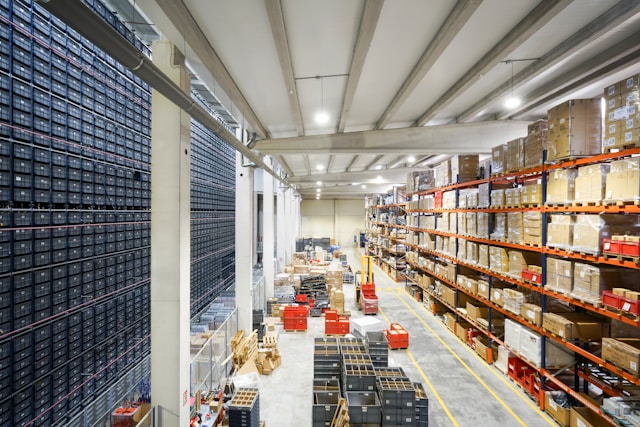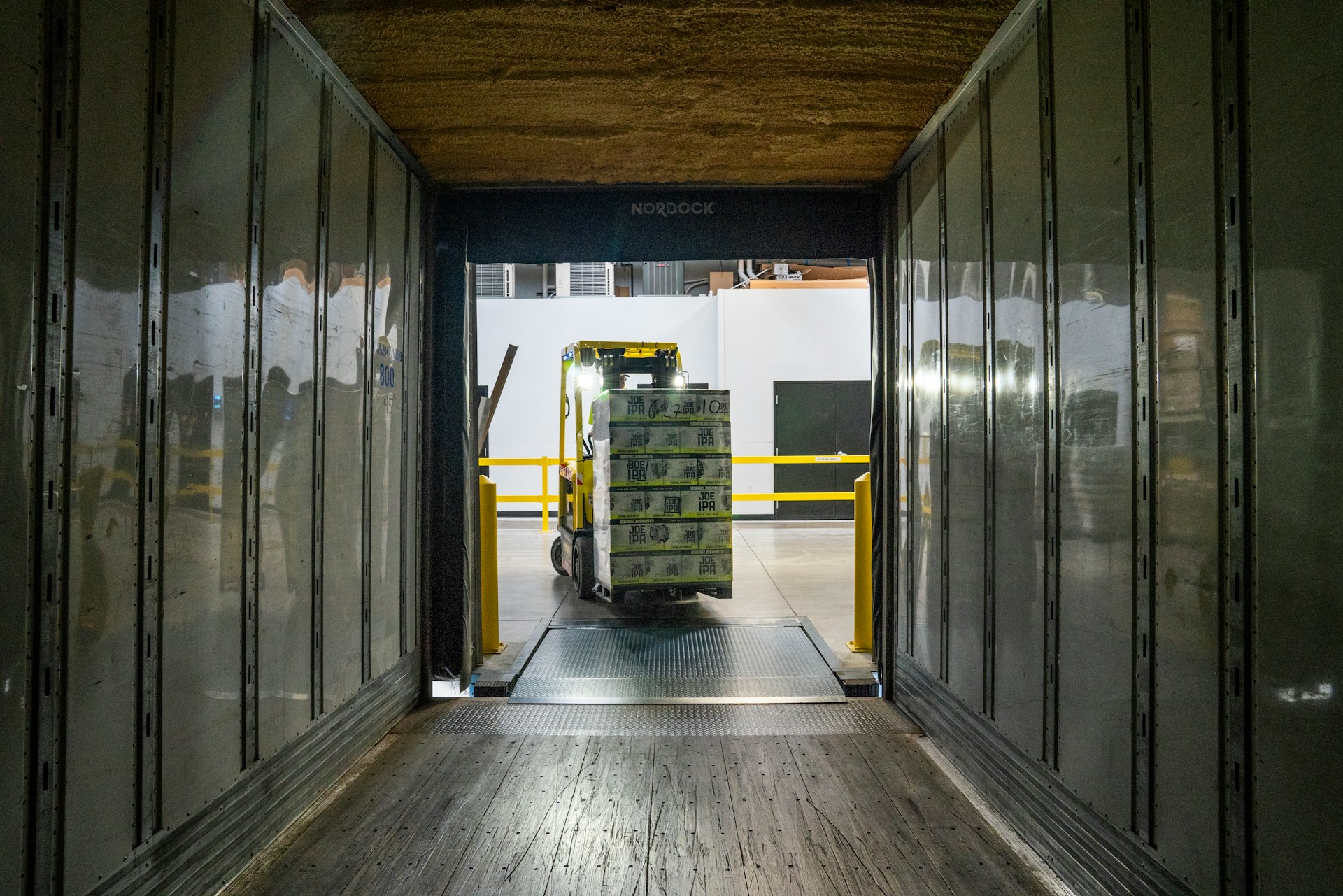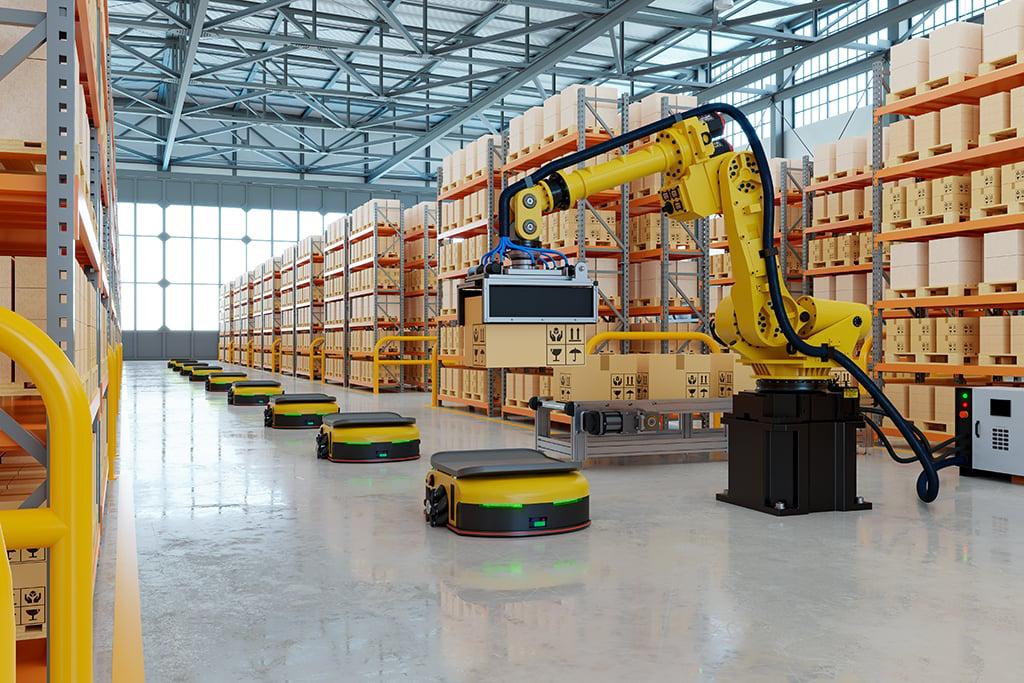


Managing inventory sounds simple until stockouts, excess inventory, outdated inventory, and supply chain disruptions begin affecting daily operations. Businesses today are dealing with growing customer expectations, inventory across multiple locations, and the pressure to maintain accurate inventory without slowing down operations.
That’s why many modern brands are turning to platforms like ShipWithMina to streamline fulfillment, improve inventory visibility, and create a more reliable inventory management system. With smarter warehouse management and automated inventory capabilities, businesses can reduce costly errors and improve workflow efficiency across the supply chain.
In this article, we’ll explore the most common inventory management challenges, practical solutions to overcome them, and strategies to optimize your inventory management for long-term growth.
What Are Inventory Management Challenges?
Inventory management challenges refer to the issues businesses face while trying to manage inventory effectively. These problems can impact stock control, order management, inventory turnover, warehouse operations, customer satisfaction, and profitability.
Without proper inventory processes, companies often struggle with:
- Poor inventory management
- Inaccurate inventory records
- Manual inventory tracking
- Supply chain disruptions
- Overstocking and stockouts
- Obsolete inventory
- Misplaced inventory
- Inadequate inventory visibility
As inventory expands, these challenges become even harder to manage manually.
20 Common Inventory Management Challenges
1. Poor Inventory Visibility
One of the biggest common inventory management challenges is lacking real-time inventory visibility. Businesses often don’t have accurate updates on inventory levels, especially when managing inventory across multiple locations.
Without clear inventory data, inventory managers make poor inventory decisions that can lead to stock shortages or excess inventory.
2. Manual Inventory Tracking
Manual inventory tracking is time-consuming and prone to human error. Businesses relying on spreadsheets or outdated inventory systems frequently experience inaccurate inventory records and misplaced inventory.
Automated inventory systems eliminate repetitive tasks and improve inventory accuracy significantly.
3. Stockouts
Stockouts occur when stock levels drop too low to fulfill customer orders. This damages customer trust and impacts revenue.
Poor demand forecasting and delayed inventory updates are common causes of stockouts.
4. Excess Inventory
Holding excess inventory ties up cash flow and warehouse space. In many cases, inventory could become obsolete inventory before it sells.
Businesses need optimal inventory levels to avoid unnecessary storage costs.
5. Supply Chain Disruptions
Global supply chain disruptions can delay shipments, reduce inventory availability, and affect inventory flow across the warehouse.
A flexible inventory strategy is essential for managing inventory challenges during uncertain market conditions.
6. Inaccurate Inventory Data
If inventory information isn’t updated regularly, businesses lose visibility into actual stock levels. Accurate inventory data is critical for effective inventory management and inventory forecasting.
7. Managing Inventory Across Multiple Locations
Businesses with inventory across different warehouses or retail stores often struggle to maintain inventory consistency.
Without a cloud-based inventory management system, managing inventory across multiple locations becomes difficult.
8. Obsolete Inventory
Products that no longer sell create outdated inventory and waste valuable warehouse space.
Regular inventory audits help businesses identify obsolete inventory before losses increase.
9. Poor Demand Forecasting
Demand forecasting helps businesses predict future inventory needs. Without accurate forecasting, companies either overstock or run out of products.
Advanced inventory management software uses inventory trends and historical sales data to improve forecasting accuracy.
10. Inefficient Warehouse Management
Warehouse management problems slow down inventory flow, shipping, and order fulfillment.
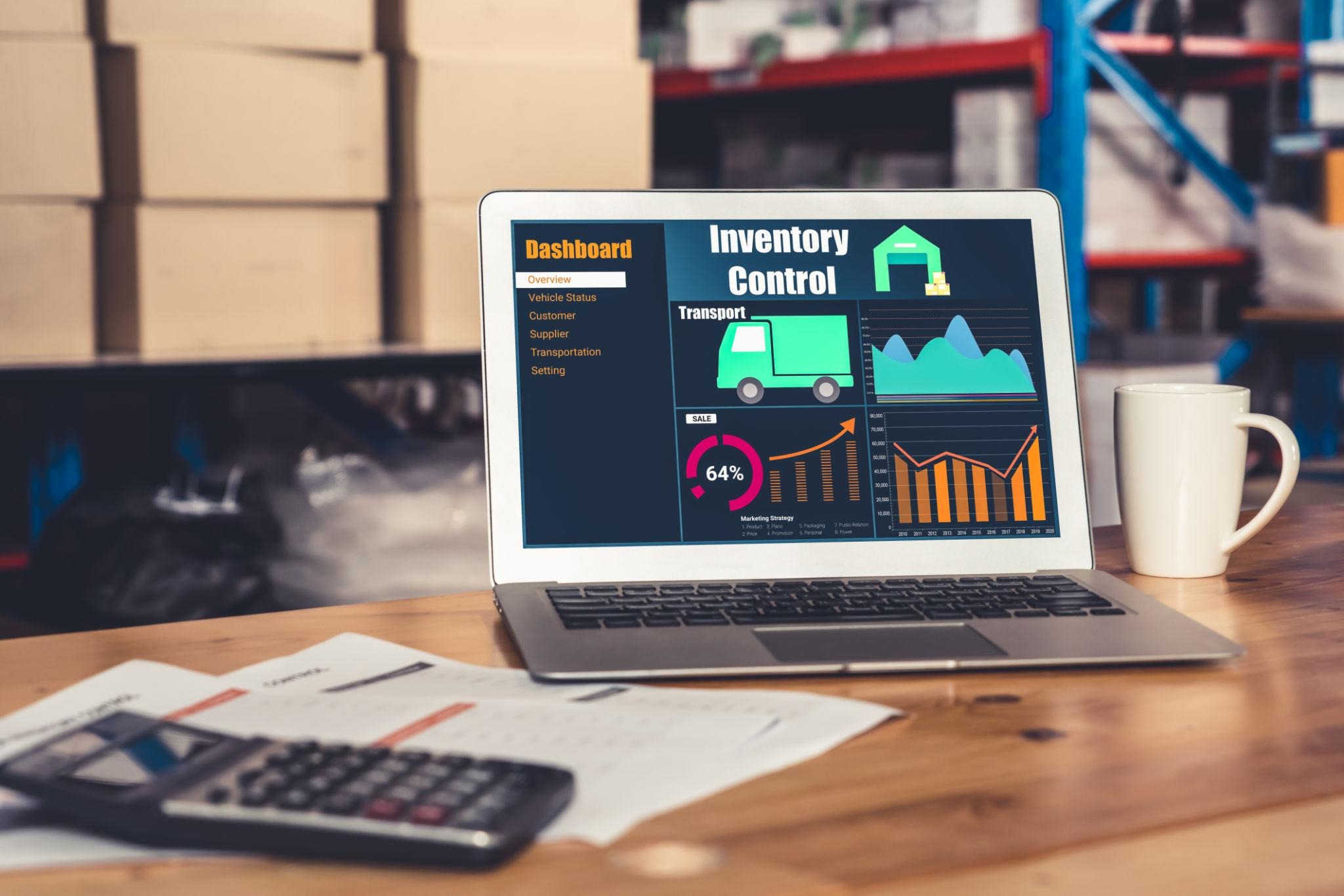
A robust inventory management system can streamline warehouse workflow and improve inventory efficiency.
11. Lack of Automation
Businesses still using manual inventory processes often struggle with inventory accuracy and operational delays.
Automated inventory management solutions can automate stock control, inventory updates, and order management.
12. Inventory Shrinkage
Inventory shrinkage occurs due to theft, damage, or administrative errors. Poor inventory control contributes significantly to these losses.
13. Difficulty Integrating Systems
Many companies use separate tools for sales, warehouse management, accounting, and shipping.
Integrating inventory management with your existing systems is essential for maintaining accurate inventory information across departments.
14. Inadequate Inventory Audits
Skipping regular inventory audits creates inaccurate inventory records and weakens inventory control.
Frequent inventory audits improve inventory accuracy and support smarter inventory decisions.
15. Slow Inventory Updates
Delayed updates on inventory levels can lead to overselling products that are no longer available.
Real-time inventory tracking ensures accurate stock visibility.
16. Poor Retail Inventory Management
Retail inventory management becomes challenging when businesses cannot track inventory properly across physical and online stores.
Cloud-based inventory systems help synchronize retail inventory automatically.
17. Low Inventory Turnover
Low inventory turnover means products remain in storage too long, increasing warehouse costs and reducing profitability.
Businesses should optimize inventory levels based on customer demand and inventory forecasting.
18. Limited Inventory Management Features
Outdated software often lacks advanced inventory management features needed for modern operations.
Businesses need management capabilities like automated inventory updates, demand forecasting, inventory tracking, and reporting.
19. Misplaced Inventory
Disorganized warehouses lead to misplaced inventory, delayed fulfillment, and wasted labor time.
Effective warehouse management systems improve organization and inventory flow.
20. Scaling Inventory Operations
As inventory expands, businesses need scalable inventory solutions capable of supporting higher order volumes and more warehouse locations.
Inventory Management Challenges and Solutions
Understanding inventory management challenges and solutions is essential for businesses aiming to improve inventory efficiency and customer satisfaction.
Here are practical solutions to overcome common challenges:
Use Cloud-Based Inventory Systems
Cloud-based inventory management software provides real-time inventory visibility and centralized inventory information.
Benefits include:
- Accurate inventory tracking
- Real-time inventory updates
- Better inventory visibility
- Managing inventory across multiple locations
- Easier inventory audits
Cloud-based inventory systems also integrate with your existing software tools for smoother operations.
Automate Inventory Processes
Automated inventory systems reduce manual inventory tracking and improve inventory accuracy.
Businesses can automate:
- Inventory updates
- Stock control
- Purchase orders
- Demand forecasting
- Order management
Automation helps businesses overcome inventory management challenges while reducing operational costs.
Improve Demand Forecasting
Accurate demand forecasting helps maintain optimal inventory levels and reduce stockouts.
Businesses should analyze:
- Historical sales trends
- Seasonal demand
- Inventory turnover
- Customer purchasing behavior
Advanced inventory forecasting tools improve inventory decisions and help optimize inventory management.
Conduct Regular Inventory Audits
Regular inventory audits help businesses maintain proper inventory records and identify inaccurate inventory quickly.
Inventory audits support:
- Better inventory control
- Improved inventory accuracy
- Reduced inventory shrinkage
- Stronger management and control
Integrate Inventory Management Systems
Integrating inventory management with warehouse management, shipping, and sales platforms creates a more connected workflow.
Businesses can streamline operations and improve inventory visibility across the supply chain.

How Effective Inventory Management Improves Business Operations
Effective inventory management isn’t just about tracking products. It directly impacts customer experience, warehouse efficiency, and profitability.
Businesses that improve inventory management often experience:
- Faster order fulfillment
- Better inventory flow
- Reduced stockouts
- Lower warehouse costs
- Improved inventory turnover
- More accurate inventory forecasting
- Better supply chain performance
With the right inventory management software, businesses can make smarter inventory decisions while maintaining accurate inventory across all channels.
Key Features to Look for in Inventory Management Software
Choosing the right inventory management system is critical for overcoming common inventory management challenges.
Here are essential inventory management features to prioritize:
Real-Time Inventory Tracking
Real-time inventory tracking provides instant updates on inventory levels and stock movement.
Automated Inventory Management
Automated inventory tools reduce manual inventory processes and improve efficiency.
Inventory Visibility Across Multiple Locations
Businesses managing inventory across multiple locations need centralized inventory visibility.
Demand Forecasting Tools
Forecasting features help businesses maintain optimal inventory levels and avoid excess inventory.
Warehouse Management Integration
Integrated warehouse management capabilities improve inventory flow and fulfillment accuracy.
Reporting and Analytics
Detailed inventory data and analytics help inventory managers improve inventory strategy and inventory decisions.
Cloud-Based Accessibility
Cloud-based inventory management systems allow teams to access inventory information from anywhere.
Best Practices to Optimize Your Inventory Management
Businesses looking to optimize inventory management should focus on the following strategies:
Maintain Accurate Inventory Records
Accurate inventory records improve inventory control and support better business decisions.
Automate Repetitive Tasks
Automation reduces manual inventory errors and improves operational efficiency.
Monitor Inventory Trends
Tracking inventory trends helps businesses adjust inventory strategy based on demand changes.
Improve Warehouse Organization
A well-organized warehouse reduces misplaced inventory and improves workflow efficiency.
Review Stock Levels Regularly
Frequent monitoring helps maintain proper inventory levels and avoid stockouts.
Invest in Advanced Inventory Solutions
Advanced inventory management solutions provide scalability and improved inventory efficiency.
How ShipWithMina Helps Businesses Overcome Inventory Management Challenges
Modern businesses need more than basic inventory tracking tools. They need robust inventory management solutions that simplify operations and improve supply chain performance.
ShipWithMina helps businesses streamline fulfillment, improve warehouse management, and maintain real-time inventory visibility. Their platform supports inventory tracking, order management, and inventory control while helping businesses integrate with existing workflows.
For growing brands managing inventory across multiple locations, ShipWithMina provides the flexibility and management capabilities needed to scale efficiently.
Conclusion
Inventory management challenges can quickly impact profitability, customer satisfaction, and operational efficiency if left unresolved. From manual inventory tracking and poor inventory visibility to supply chain disruptions and excess inventory, businesses face many obstacles when trying to manage inventory effectively.
The good news is that modern inventory management software and cloud-based inventory systems make it easier to automate processes, improve inventory accuracy, and optimize inventory management.
Businesses that invest in effective inventory management strategies can improve inventory efficiency, reduce stockouts, streamline workflow operations, and build a more resilient supply chain.
FAQs About Inventory Management Challenges
What are the most common inventory management challenges?
Some of the most common inventory management challenges include poor inventory visibility, stockouts, excess inventory, inaccurate inventory data, supply chain disruptions, and manual inventory tracking.
How can businesses improve inventory management?
Businesses can improve inventory management by using cloud-based inventory systems, automating inventory processes, conducting regular inventory audits, and improving demand forecasting.
Why is inventory tracking important?
Inventory tracking helps businesses maintain accurate inventory records, reduce stockouts, improve inventory visibility, and make smarter inventory decisions.
What causes poor inventory management?
Poor inventory management is often caused by outdated inventory systems, manual inventory processes, lack of automation, inaccurate inventory data, and weak inventory control practices.
How does automation help inventory management?
Automated inventory systems improve inventory accuracy, reduce human error, streamline workflow operations, and provide real-time inventory updates.
What is the benefit of cloud-based inventory management systems?
Cloud-based inventory management systems provide real-time inventory visibility, easier system integration, remote access, and improved inventory tracking across multiple locations.