


How long does standard shipping take? If you've ever booked a delivery, you've probably asked this exact question, and for good reason. The answer affects everything from the promises you make to customers to how you plan your inventory. For brands fulfilling orders through Ship with Mina, an AI-powered 3PL that runs fulfillment centers across China, the US, Canada, and beyond, the answer depends on a few things.
Standard shipping time comes down to the destination, the carrier you pick, the service level you choose at checkout, and even the time of year. This detailed shipping guide walks through typical delivery times, explains standard shipping and how it compares to expedited and express options, and helps you set expectations you can actually keep.
What Is Standard Shipping?
Standard shipping is the baseline shipping option most shipping companies offer. Think of it as the middle of the road, sitting between premium express or overnight services on one end and slow-moving freight shipping on the other. For domestic parcels, standard shipping is generally the most cost-effective shipping method out there, and there's a simple reason why: packages travel by ground instead of by air. That keeps shipping rates low, but it does add transit time.
For DTC brands working with a fulfillment partner like Ship with Mina, that choice between standard and faster service levels happens behind the scenes on every order. Mina's AI-driven fulfillment system matches each parcel to the shipping service that fits its destination and urgency, balancing estimated delivery dates against shipping costs so brands don't have to make that call manually thousands of times a month.
Standard Shipping vs. Expedited and Express Shipping
The standard shipping vs. faster services debate matters more than people realize, so let's break it down:
- Standard shipping typically takes 3 to 7 business days for domestic delivery and runs on ground networks. UPS Ground, FedEx Ground, and USPS Ground Advantage are the names you'll see most often.
- Expedited shipping, including 2-day shipping, usually lands in 1 to 3 business days, often using a mix of ground and air transport.
- Express shipping services, like overnight delivery, get there the next business day, frequently by a specific cutoff time.
So when does each make sense? Standard shipping is ideal for anything that isn't urgent: ecommerce orders, documents that can wait a few days, gifts you're sending well ahead of time, and routine business shipments. Express only earns its price tag when a deadline is truly firm.
How Long Does Standard Shipping Take? Typical Timelines
Exact delivery times shift based on the route and carrier, but these ranges will give you a realistic picture of what to expect from standard shipping services.
Domestic Shipping Times
For domestic shipping, standard shipping typically takes:
- Local or same-region deliveries: 1 to 3 business days
- Regional deliveries (a few hundred miles): 2 to 4 business days
- Cross-country deliveries: 3-5 business days, sometimes a full week
- Deliveries to remote or rural areas: tack on another 1 to 3 business days
For example, a parcel sent via standard ground shipping across town or within the same state might show up in two days. Send that same box coast to coast, and it could take anywhere from 5 to 7 business days. USPS, FedEx, and UPS all publish their own transit maps, and shipping times vary significantly between zones, sometimes more than you'd guess.
International Standard Shipping Times
International shipping adds one big wildcard to any estimate: customs clearance.
- Neighboring countries: 5 to 10 business days
- Intercontinental deliveries: 10 to 20 business days
- Destinations with slower customs processes: potentially 3 to 4 weeks
Customs inspections, duties processing, and the handoff to local postal services all push the final delivery date around. Brands shipping internationally through should build those stages into their delivery promises instead of counting on transit time alone. Standard international shipping is still the most cost-effective choice for parcels that aren't time-critical. It just rewards people who plan ahead.
Factors That Affect Standard Shipping Speed
Even a solid estimate isn't a guarantee. Actual shipping time can move, and knowing why helps you plan better.
a) Origin and Destination
Distance is the obvious one, but logistics infrastructure matters just as much. A shipment between two major metro areas moves fast because carriers run frequent linehaul routes between hub cities. A parcel headed to a small town might pass through multiple sorting facilities and catch a less frequent delivery route, which can quietly add a day or two to the transit time.
Where your inventory sits matters too. This is why fulfillment providers position stock across multiple warehouses. Ship with Mina, for instance, operates more than 20 warehouses in China alongside facilities in the US, Canada, Australia, and Europe, so orders can ship from whichever location puts the fewest transit days between the parcel and the customer.
b) Carrier and Shipping Method

Every carrier has its strengths. USPS Ground Advantage handles lightweight residential parcels well, FedEx Ground and UPS Ground are strong on business routes, and USPS Priority Mail sits in a nice middle ground between standard and expedited speed. When you book through a comparison platform, the estimated delivery date next to each shipping option reflects how that carrier actually performs on your specific route. It's always worth comparing rather than assuming they all perform the same, whether you're weighing UPS vs. FedEx or USPS against the private carriers.
c) Drop-Off Time and Daily Cutoffs
Carriers run on business day schedules, and this trips people up more than almost anything else. Drop your package off before the daily cutoff, usually mid-afternoon, and it enters the network that same day. Drop it off at 7 p.m., and it may not move until the next morning. That's a full business day added to your delivery time before the parcel even starts moving. Booking pickups early keeps your shipping operations on schedule.
d) Weekends and Holidays
One thing that catches new shippers off guard is that standard ground shipping generally doesn't count weekends as transit days. A parcel with a 4-business-day estimate that ships on Thursday might not arrive until the following Wednesday. Public holidays create the same kind of gaps, though most carriers publish their holiday schedules ahead of time so you can plan around them.
e) Peak Season Volume
From late November through December, parcel networks get slammed. A standard shipping estimate of 3-5 business days can easily stretch to 5 to 8 business days during peak season. Carriers also announce cutoff dates for pre-holiday delivery, so pay attention to those. If you're an ecommerce seller shipping gifts or seasonal merchandise, book earlier than feels necessary, and consider upgrading to an expedited shipping option for anything time-critical.
f) Weather and Service Disruptions
Snowstorms, hurricanes, flooding, and wildfires can all shut down roads and sorting facilities. Carriers do issue service alerts during major disruptions, but standard shipments are usually the first to absorb delays, since express freight gets priority when capacity gets tight.
g) Package Characteristics
Oversized, heavy, or oddly shaped parcels don't always ride the standard parcel conveyor systems. They may get routed through freight-style handling streams, which sometimes adds transit time. Entering accurate weight and dimensions at booking means your estimate reflects the right handling stream, and it saves you from surprise surcharges later.
How Long Does It Take to Ship a Package? Getting an Accurate Estimate
General ranges are a good starting point, but you can learn how long it takes to ship a package on your specific route with a few simple steps.
Get a Route-Specific Estimate
The most reliable estimate comes from whoever actually moves your parcels, because it reflects real network performance between two points rather than a generic chart. Brands that fulfill through Ship with Mina get delivery expectations built on Mina's own logistics data: orders leave from the warehouse closest to the customer, travel exclusive shipping lines on core routes like China to the US, and hand off to local carriers for final delivery. That kind of route-specific estimate beats any published transit map, since it's grounded in how those lanes actually perform week after week.
Check the Estimated Delivery Date, Not Just Transit Days
A 3-business-day estimate means different things depending on when you ship. The projected delivery date you see at booking already factors in weekends and known holidays, which makes it the number you actually want for planning and for communicating with customers.
Track the Shipment
Once your parcel is booked and the shipping labels are printed, tracking tells the story: pickup scans, sorting facility arrivals, linehaul departures, out-for-delivery status. Just as important, tracking reveals delays early, giving you time to notify the recipient and reset expectations before they start wondering.
Set Expectations with Recipients
If you run an ecommerce business, sharing the estimated delivery date and tracking link up front cuts down on where-is-my-package emails and builds real trust. Plenty of stores also publish a clear shipping policy that quotes the outer edge of the standard delivery window, a common shipping practice that prevents disappointment and keeps support tickets down.
Tips to Keep Standard Shipping on Schedule
You can't control the weather, but a few habits consistently keep delays at bay:
- Book early in the day. Meeting carrier cutoff times prevents an automatic one-day delay in the shipping process.
- Address labels accurately. A mistyped or incomplete address triggers manual review and rerouting, and that can add several days to any shipment.
- Package securely. Damaged parcels get pulled from the network for inspection, which stalls delivery completely.
- Count the calendar, not just the days. Factor business days into the transit window, and pad your estimates around holidays, so you're not making promises the calendar can't keep.
- Think about the destination type. P.O. boxes, military addresses, and remote territories often carry longer standard timelines and may require specific carriers.
- Upgrade when it actually matters. If a deadline is firm, the gap between standard shipping costs and expedited rates is usually small enough to be worth the certainty.
Standard Shipping and How It Compares on Cost
For most non-urgent parcels, standard shipping is still the most cost-effective delivery option you can choose. The trade-off is simple: you wait a few extra days in transit, and in exchange you pay meaningfully lower shipping costs. Most ecommerce shipping strategies are built on exactly this reality. That's why so many online stores offer free standard shipping above a minimum order value. They absorb the lower cost of ground delivery as a marketing expense, then charge extra for customers who want same-day or 2-day shipping.
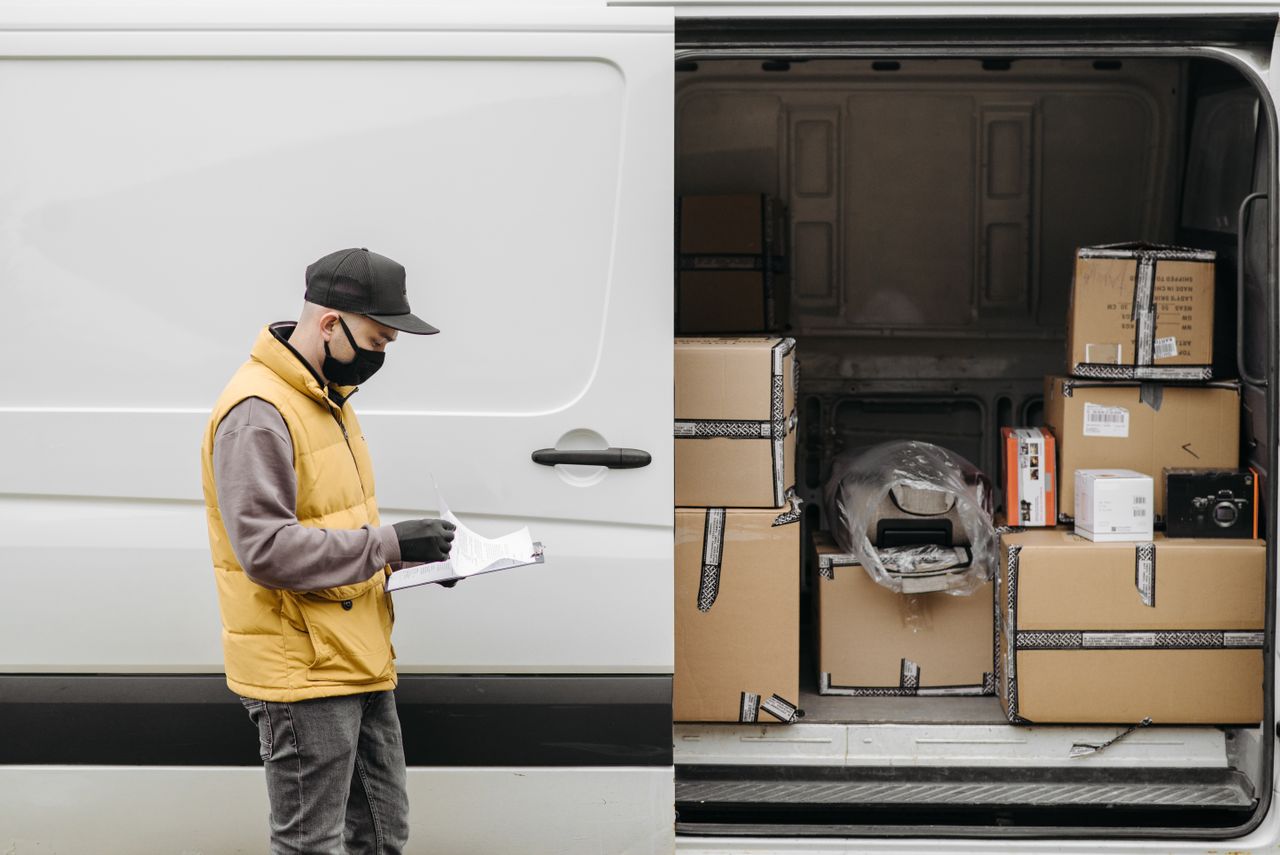
Businesses shipping at volume usually find standard shipping covers the bulk of their orders, with express shipping services saved for the small slice of customers willing to pay for speed. Economy shipping through USPS Ground Advantage or UPS standard shipping tends to deliver the lowest rates on lightweight parcels, while FedEx Ground competes well on heavier business shipments.
At that kind of volume, managing the trade-off order by order stops being practical, which is where a fulfillment partner earns its keep. Ship with Mina handles carrier and service selection automatically, routing standard orders through the most cost-effective lane and reserving faster options for parcels that genuinely need them. Because Mina negotiates rates across its exclusive shipping lines and carrier network, brands typically save on shipping compared to buying postage order by order. Offering standard shipping as the default, with faster upgrades at checkout, remains a proven way to keep costs down without taking choice away from your customers.
Conclusion
So, how long does standard shipping take? Most of the time, standard shipping takes 3 to 7 business days for domestic delivery and anywhere from one to three weeks for international shipping. The exact timeline gets shaped by distance, carrier networks, booking time, seasonality, and the occasional disruption nobody saw coming. Standard shipping varies depending on all of these factors, which is why the most dependable way to know how long a specific shipment will take is to get an estimate tied to the actual route and network moving the parcel. For DTC brands, Ship with Mina takes that work off the plate entirely, pairing AI-powered fulfillment with exclusive shipping lines and a global warehouse network so every order ships on the service level that fits its deadline and budget. For routine parcels, standard shipping provides genuinely strong value. For tight deadlines, faster services are only a click away.
Frequently Asked Questions
1. How long does standard shipping usually take?
For domestic delivery, standard shipping typically takes 3 to 7 business days depending on how far the package is going. Local shipments might arrive in 1 to 3 business days, while cross-country parcels often need 5 business days or more.
3. Does standard shipping deliver on weekends?
Most standard ground shipping services run on business days only, so weekends don't count toward transit time. Some carriers do offer limited Saturday delivery in certain areas, but it's not guaranteed on economy shipping services.
4. What is the difference between standard shipping and express shipping?
It comes down to speed and cost. Standard shipping relies on ground networks and typically takes 3 to 7 business days, while express shipping uses air transport for next-day or 2-day delivery. Standard shipping is cost-effective for routine parcels. Express is for when it's truly urgent.
5. Why did a standard shipment take longer than estimated?
The usual causes are weather disruptions, missed carrier cutoff times, peak-season volume, address errors, and customs delays on international shipments. Check the tracking. It will usually show you exactly where the parcel stalled in the logistics chain.
6. Can standard shipping be tracked?
Yes. Orders fulfilled through Ship with Mina include end-to-end tracking, so both the brand and the customer can follow each parcel from the warehouse to the final delivery, whether it travels on Mina's exclusive shipping lines or with a local last-mile carrier.
7. Is standard shipping available for international packages?
Absolutely. Standard international shipping is available through the major carriers, though delivery times run longer, typically 5 to 20 business days depending on the destination. Accurate customs documentation at booking goes a long way toward minimizing delays at the border.