

Shipping fragile items is stressful for one simple reason. A carrier can deliver ten thousand boxes intact, and the one that arrives broken is the only one you remember. Glass items, ceramics, artwork, and other delicate items move through networks built for speed, so the gap between how those networks run and what a fragile item needs is where breakage happens.
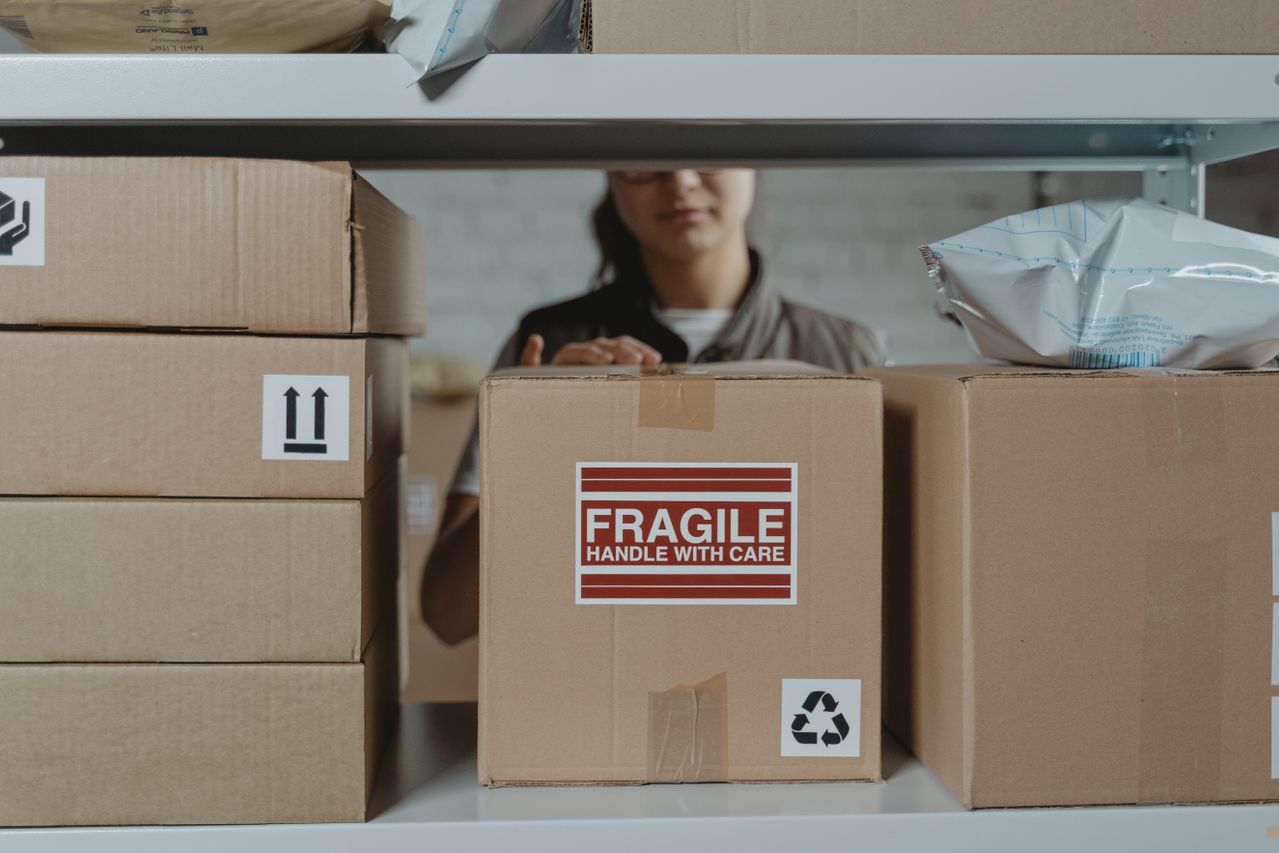
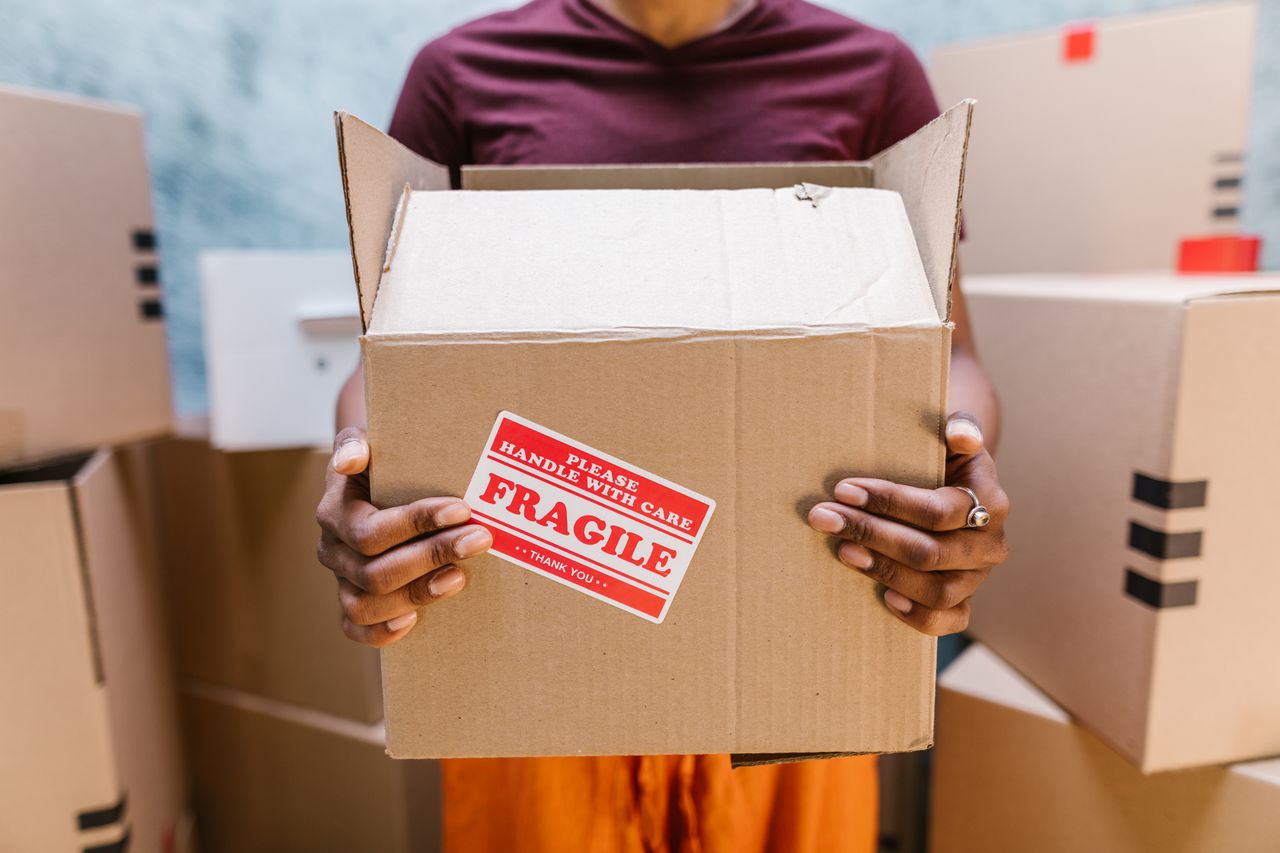
A typical parcel is handled a dozen or more times across the shipping process. A fragile sticker gets a box noticed, but it does not change the physics of a sorting facility. What actually changes the outcome is packaging and the packing standards of the shipping services you choose. That is why picking the right company to ship fragile items matters more here than for almost anything else you will send.
You have three broad options. Major carriers like UPS, FedEx, and USPS move fragile packages at retail prices. Pack and ship stores add professional packing materials and labor. And for an ecommerce business shipping fragile products at volume, a fulfillment partner with custom packaging handles the whole shipping process. Each fits a different situation.
To find the best company to ship fragile items in 2026, we compared customer reviews, pricing, and service guarantees across eight popular options. Here is how they ranked.
The 8 Best Shippers for Fragile Items, Ranked
- Ship with Mina - AI-powered fulfillment and custom packaging for ecommerce brands
- The UPS Store - Reliable pack and ship counters with a packing guarantee
- FedEx Office - Convenient packing and shipping with broad retail coverage
- Craters & Freighters - Custom crating for large fragile items and high-value freight
- DHL Express - The strongest carrier for international fragile shipments
- Pak Mail - Franchise pack and ship with a custom packing focus
- Navis Pack & Ship - Specialty packing for antiques and auction purchases
- USPS - The budget baseline with predictable limits
1. Ship with Mina: Best for Ecommerce Brands Shipping Fragile Products
Ship with Mina is a different kind of option from everything else on this list. It is not a retail counter for one-off shipments. It is an AI-powered fulfillment and logistics company built for DTC brands, and for an ecommerce business shipping fragile products every day, it solves the problem at the source.
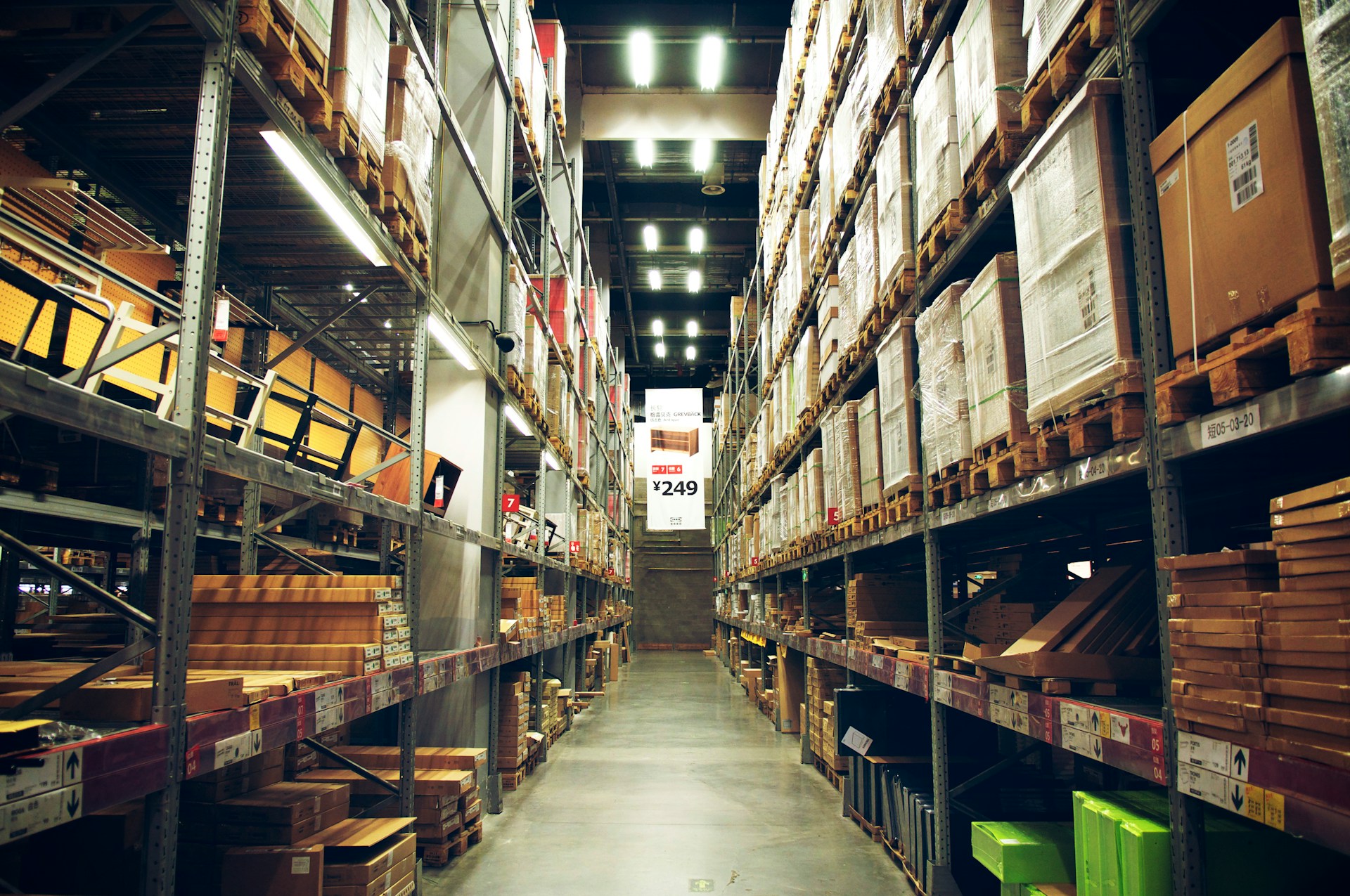
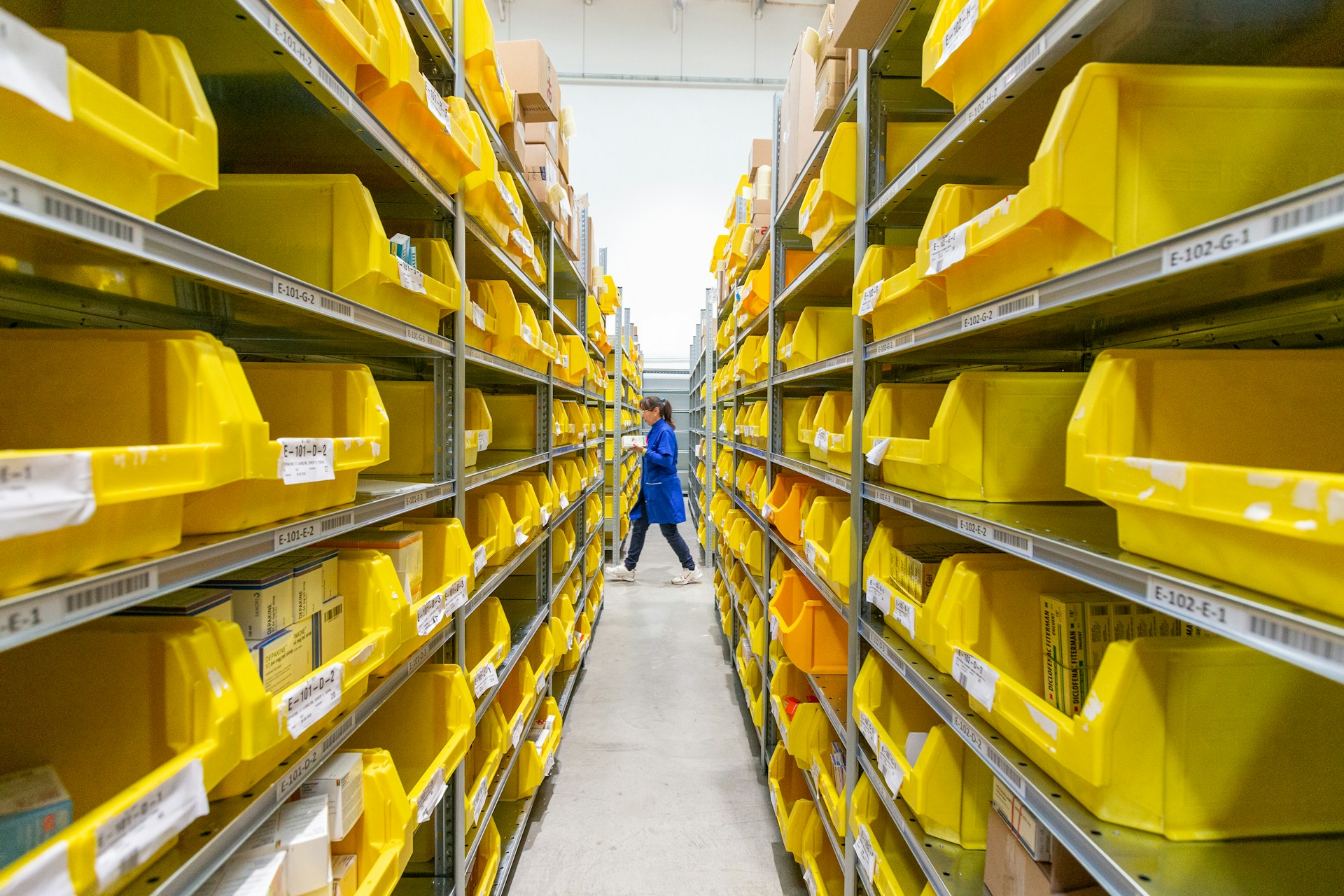
The core of the service is fulfillment done for you. Mina stores your inventory in its warehouses, picks and packs orders with proprietary AI pick and pack technology, and ships through exclusive shipping lines it charters for China to US logistics. Custom packaging is part of the offering, so fragile products get packed to a consistent professional standard on every single order, not just the ones someone has time to pack carefully. That consistency is what most ecommerce sellers cannot achieve in a garage or a stockroom.
The scale is serious. Mina operates more than 20 warehouses in China, plus facilities in the US, Canada, Australia, and Europe, and its client list includes major names in ecommerce. For a brand shipping fragile goods in volume, the combination of custom packaging, automated fulfillment, and direct shipping lines cuts both damage rates and per-order cost.
The limitation is fit. Mina is built for brands with ongoing order volume, not for someone who needs to ship a fragile item to their aunt. There is no walk-in counter and no single-shipment service. Getting started means a quote and onboarding, not a five-minute errand. But if fragile products are your business, handing packing and shipping to a fulfillment partner of this size is the highest-leverage move on this list.
Pros:
- AI-powered pick and pack with custom packaging for every order
- Consistent professional packing standard across thousands of fragile shipments
- Exclusive China to US shipping lines for faster, cheaper delivery
- Global warehouse network across China, the US, Canada, Australia, and Europe
- Trusted by major ecommerce brands at serious volume
Cons:
- Built for businesses, not individual one-off shipments
- No walk-in or single-package service
- Requires quote-based onboarding
- Overkill if you only ship a few orders a month
2. The UPS Store: Best Retail Option to Pack and Ship Fragile Items
The UPS Store is the most practical answer if you need to pack and ship fragile items locally. The standout feature is the Pack and Ship Guarantee. When a participating location packs your item with new materials purchased at that store and ships it via UPS, the declared value is covered if the item is lost or damaged in transit, along with the cost of packing and shipping. That shifts the packing risk from you to the store, which matters a lot for fragile shipments.
There are conditions worth knowing. The guarantee only applies at participating locations, only to shipments sent via UPS on the store's account, and only when the store packs with new materials bought there. If you skip declared value coverage, reimbursement for the item caps at $100. Still, for a retail counter, it is the strongest written promise on this list.
Packing quality is generally solid. Foam wrap, double-wall boxes, and standard fragile packaging done right. Pricing sits mid-range, and locations are everywhere.
The weakness is variance. It is a franchise network, so quality depends on the associate behind the counter. One location uses careful foam and void fill, another uses loose paper where foam is needed. For breakable but replaceable items, the guarantee makes this a strong middle-tier choice for UPS fragile shipping.
Pros:
- Pack and Ship Guarantee covers items the store packs
- Huge retail footprint, easy to find a location
- Mid-range pricing
- Associates know standard fragile packaging
Cons:
- Packing quality varies by location and associate
- Guarantee only applies with store packing, new materials, and UPS shipping
- Without declared value, reimbursement caps at $100
- Weak on structurally unusual pieces like stems and handles
3. FedEx Office: Convenient Packing for Moderately Fragile Shipments
FedEx Office combines packing services with the FedEx carrier network, and the convenience is real. Thousands of locations, many with evening hours, and printing, packing materials, and shipping labels in one stop. It is the easiest service on this list to use without planning.
Like UPS, FedEx Office backs its packing with a written promise, the FedEx Office Packing Pledge. Items packed by FedEx Office team members in new FedEx packaging and shipped via FedEx from that store are covered if lost or damaged. One detail matters a lot for fragile shipping: FedEx caps liability for fragile items and items of extraordinary value at $1,000, and you cannot declare a higher value for them. If your fragile item is worth more than that, the pledge will not make you whole.
Packing quality is inconsistent. Some items get foam and corrugated dividers. Others get air pillows as void fill, which shift under load and let delicate items break. FedEx as a carrier is excellent on speed and tracking, but fragile packing is one service among many here, not a specialty. For shipping delicate items of moderate value with simple shapes, it works. For anything structurally complex or worth over $1,000, look higher on this list.
Pros:
- Very convenient, broad retail coverage and evening hours at many locations
- Packing Pledge backs store-packed shipments
- Fast, reliable FedEx carrier network with good tracking
- One stop for packing materials, labels, and shipping
Cons:
- Liability for fragile items capped at $1,000, no higher declared value allowed
- Inconsistent packing quality
- Air pillows and loose fill are a breakage risk for delicate items
- Generalist staff, not fragile specialists
4. Craters & Freighters: Best for Large Fragile Items and High-Value Freight
Craters & Freighters is a different category from the retail names here. The company builds custom wooden crates engineered to the item and manages freight logistics for cargo too large, heavy, or valuable for parcel carriers. The consultation covers dimensions, weight, value, destination, and handling requirements. This is fragility handled at an engineering level.
The tradeoff is cost and scale. Quotes for parcel-scale items run several times higher than parcel options, and the process is built around freight rather than quick counter service. That is not a flaw, it is just the wrong tool for a box of glassware. The company does offer white-glove pickup and delivery and residential services through 65-plus locations, so logistics are handled end to end. If you have a piano, a sculpture, or a crate-sized antique, start here. For shipping heavy and delicate freight, nothing else on this list comes close.
Pros:
- Custom-engineered wooden crating for large fragile items
- Handles freight-scale, oversized, and heavy items
- Thorough technical consultation before quoting
- White-glove pickup and delivery available through 65-plus locations
- Excellent for high-value items and fine art
Cons:
- Far too expensive for parcel-size fragile packages
- Freight timelines, not quick counter service
- Wrong fit for multi-box household shipments
5. DHL Express: Best Carrier for International Fragile Shipments
International shipping multiplies every fragility risk. More handling transfers, customs inspections, longer transit. DHL Express removes the biggest variable. It runs its own international network across more than 220 countries and territories, so there are fewer handoffs and one accountable party from pickup to delivery of fragile items overseas.
Transit is fast, tracking is clean at every scan, and customs clearance is handled as part of the service, with electronic documentation through its online tools. For international fragile shipments, nothing else on this list matches that combination.
The limit is scope. DHL Express is a carrier, not a packing specialist, so packing stays on you. Drop-off happens through DHL ServicePoints and authorized retail partners rather than a big staffed store network, and packing help there is limited to supplies and general guidance. Domestically, it offers no advantage over carriers with storefronts everywhere. But the moment a border is involved, it is the clear choice.
Pros:
- Owns its international network end to end across 220-plus countries, fewer handoffs
- Fast transit and strong tracking for fragile items overseas
- Customs clearance handled as part of the service
- Best option for international fragile shipments
Cons:
- No packing service, packing is your responsibility
- Drop-off through ServicePoints and partners, limited in-person help
- No real advantage for domestic shipping
6. Pak Mail: Custom Packing With a Franchise Footprint
Pak Mail is built around custom packing rather than pure shipping, and it shows. The service specializes in big, oversized, heavy, and awkwardly shaped items, and staff build custom packing, crating, and shipping plans for furniture, artwork, and antiques. Staff ask what the items are and examine weak points before choosing a method, which is exactly the right intake for fragile packaging.
The constraints are practical. Locations are thin compared to the major carriers, hours vary by store, and franchise quality varies. A great experience at one Pak Mail says more about that location than the whole system. If you live near a well-run one, it punches above its weight on fragile packaging.
Pros:
- Custom packing, crating, and shipping plans for each item
- Strong with oversized, awkward, and fragile specialty items
- Staff ask the right questions about structure and weak points
Cons:
- Thin location network, may require a special trip
- Hours and pricing vary by franchise
- Quality varies by location
7. Navis Pack & Ship: Specialty Packing for Antiques and Auction Purchases
Navis Pack & Ship built its name as the service auction houses recommend to out-of-town buyers. It handles antiques, high declared values, odd shapes, and one-off items that do not fit standard boxes. Glass-fronted clocks, artwork, and auction wins get careful custom packing, and the company holds strong customer ratings across thousands of reviews.
The mismatch for general fragile shipping needs is orientation and price. Navis sits in specialty territory, priced like a white-glove service, and its model leans toward single freight-adjacent items rather than multi-box parcel shipments. For one valuable antique, it is a strong answer. For broader needs, it is the right service with a narrower job description.
Pros:
- Deep experience with antiques and auction purchases
- Custom packing solutions for odd shapes and one-off items
- Comfortable with high declared values
- Strong customer ratings across thousands of reviews
Cons:
- Specialty pricing for single-item jobs
- Poor fit for multi-box or routine parcel shipments
- Overkill for ordinary fragile items
8. USPS: The Budget Baseline
USPS anchors the price comparison for the whole market. A sturdy item packed correctly by the sender using the double-box method can ship at Priority Mail rates for far less than the private carriers. USPS services reach every address in the country, and for durable items packed well, the value is real.

The limits are just as real. Retail counters sell packing supplies but offer no packing service. Priority Mail does include tracking and up to $100 of insurance with most shipments, but for anything worth more, the claims process is slow and the burden of proving value and adequate packing sits on you. The Special Handling fee for fragile contents buys preferential handling where practicable, not a guarantee of gentler treatment.
The verdict is precise. USPS is a reasonable carrier to ship fragile items when those items are replaceable and you know how to pack them. It does not solve the fragility problem. It hands the problem to you, so price that honestly.
Pros:
- Cheapest option by a wide margin
- Unmatched delivery network reach
- Priority Mail includes tracking and up to $100 of insurance
- Fine value for durable, well-packed, replaceable items
Cons:
- No packing service for fragile contents
- Slow claims with the burden of proof on the sender
- Only $100 of included insurance, more costs extra
- Special handling is preferential treatment, not a guarantee
How to Ship Fragile Items: What Actually Matters
A few rules apply whether you ship one heirloom or run an ecommerce business shipping fragile products daily.
Packing method beats carrier brand. Every carrier moves boxes fast and tracks them well. What separates intact arrivals from broken ones is what happened inside the box before sealing. Immobilization beats cushioning. Bubble wrap and packing peanuts have their place, but loose fill lets items shift, and shifting is what breaks things.
Insurance language matters more than insurance price. Declared value and a packing guarantee are different promises. Declared value is a ceiling on a claim you must prove. A packing guarantee transfers the burden to the service that packed the box. Shipping insurance is worth buying either way, but know which promise you actually hold.
Good intake questions predict good handling. Services that ask about materials, structure, and existing damage before quoting do better work than services that quote first. Choosing the right shipping partner starts with noticing who asks the right questions.
Multiple fragile items multiply risk. Packing several pieces in one box saves on shipping rates and costs more in breakage. Best practices for shipping fragile items favor giving each piece its own immobilized space through dividers, individual wrapping, or separate inner boxes.
Best Practices for Shipping Fragile Items
These practices for shipping fragile items hold up across every carrier:
- Use a new double-walled box with two to three inches of room on all sides.
- Wrap each item individually in bubble wrap or foam, with extra care on handles, stems, and applied decoration.
- Immobilize the wrapped item in the center so it cannot shift in any direction. Fill every void. A box that rattles is a box that breaks.
- For high-value or structurally delicate pieces, use the double-box method with the inner box floated in cushioning.
- Apply the shipping label flat and visible. Add fragile stickers on multiple sides, knowing a sticker is a request, not a guarantee.
- Photograph items before packing and keep receipts for packing materials, since claims often require proof of adequate packaging.
- For anything irreplaceable, professional packing is the single highest-leverage decision in the shipping process.
Frequently Asked Questions
1. What is the best company to ship fragile items?
For an ecommerce business shipping fragile products at volume, Ship with Mina handles packing and fulfillment with custom packaging on every order. For individuals, The UPS Store is the best retail option for replaceable items backed by a packing guarantee, and Craters & Freighters or Navis Pack & Ship fit high-value single items.
2. Do carriers charge extra for handling fragile items?
Some carriers charge extra for handling fragile items through special handling fees, but these buy preferential processing rather than gentler treatment. Packaging quality remains the deciding factor in whether fragile items arrive intact.
3. Is it cheaper to pack fragile items yourself?
Self-packing saves money upfront and transfers all breakage risk to you. For replaceable items, that trade can make sense. For valuable or sentimental items, professional packing is worth the cost.
4. Which carrier is best for international fragile shipments?
DHL Express is the best option for sending fragile items overseas, thanks to its end-to-end owned network and streamlined customs process.
The Bottom Line
The recommendation hierarchy is simple. If you run an ecommerce brand shipping fragile products at volume, Ship with Mina takes the packing problem off your plate entirely. Still, fragile shipping is not a category with one right answer. Match the service to the item, the budget, and the stakes. The senders who ship fragile items safely treat packing as the product and the carrier as the delivery mechanism.