

Choosing the right dropshipping supplier is the single decision that determines whether a store builds a reputation or burns one. Product pages, ads, and pricing all sit downstream of a simpler question. Who holds the inventory, packs the box, and answers the email when something goes wrong. Get that answer right and a dropshipping business compounds. Get it wrong and the store spends its life issuing refunds.
The best dropshipping suppliers in 2026 look very different from the options available even two years ago. Domestic fulfillment has expanded, automation has matured, and a new tier of platforms has emerged that vets suppliers before a seller ever lists a product. At the same time, the old pitfalls remain. Overseas suppliers with three week shipping windows, catalogs of millions of unvetted listings, and support desks that answer in templates are still everywhere, and they still produce chargebacks.
Here is the full ranking, with genuine strengths and honest weaknesses for each dropshipping platform.
Quick Comparison
- Ship with Mina - Pre-vetted suppliers, quality control, and human support that answers
- CJ Dropshipping - All-in-one dropshipping platform with global sourcing
- AliDropship - WordPress plugin for AliExpress dropshipping stores
- Zendrop - Automated dropshipping with US supplier options
- Doba - Dropshipping marketplace with inventory management
- Spocket - US and EU suppliers with fast domestic shipping
- DSers - AliExpress automation and bulk ordering tool
- SaleHoo - Vetted supplier directory and product research
How the Team Tested These Dropshipping Suppliers
Every platform was evaluated through the same process. Supplier vetting, fulfillment capabilities, product sourcing, integrations, support, pricing, automation, and platform usability were assessed across each supplier. Five criteria were scored for each platform: Supplier quality and vetting. Fulfillment and delivery options. Response time and response quality on an identical support inquiry. Ease of managing products and orders. And total cost, including shipping and any subscription fee prorated across a realistic monthly order volume for a small store.
Two additional factors shaped the rankings. First, how well each platform integrates with a Shopify store, since Shopify dropshipping remains the dominant setup for new sellers in the US. Second, how each platform handles vetting, since a directory of thousands of suppliers means nothing if the burden of quality control falls entirely on the seller. The rankings below reflect the full picture, not just headline features.
Best Dropshipping Suppliers
1. Ship with Mina
Ship with Mina covers the parts of dropshipping that usually get split between several companies. You can use its sourcing team to find products, then have Mina handle fulfillment, warehousing, and shipping. It also offers product development and custom packaging, which can be useful once you start putting more work into your brand.
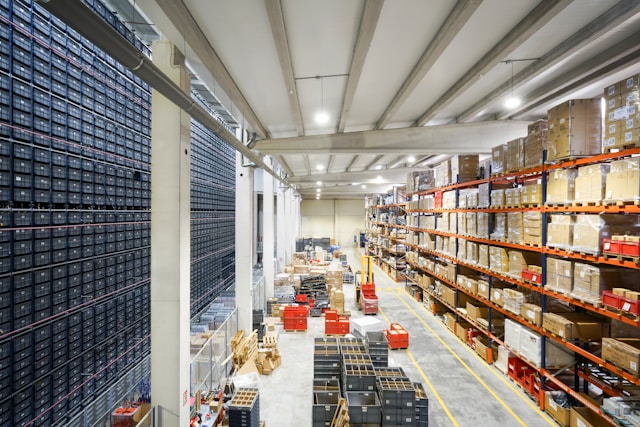
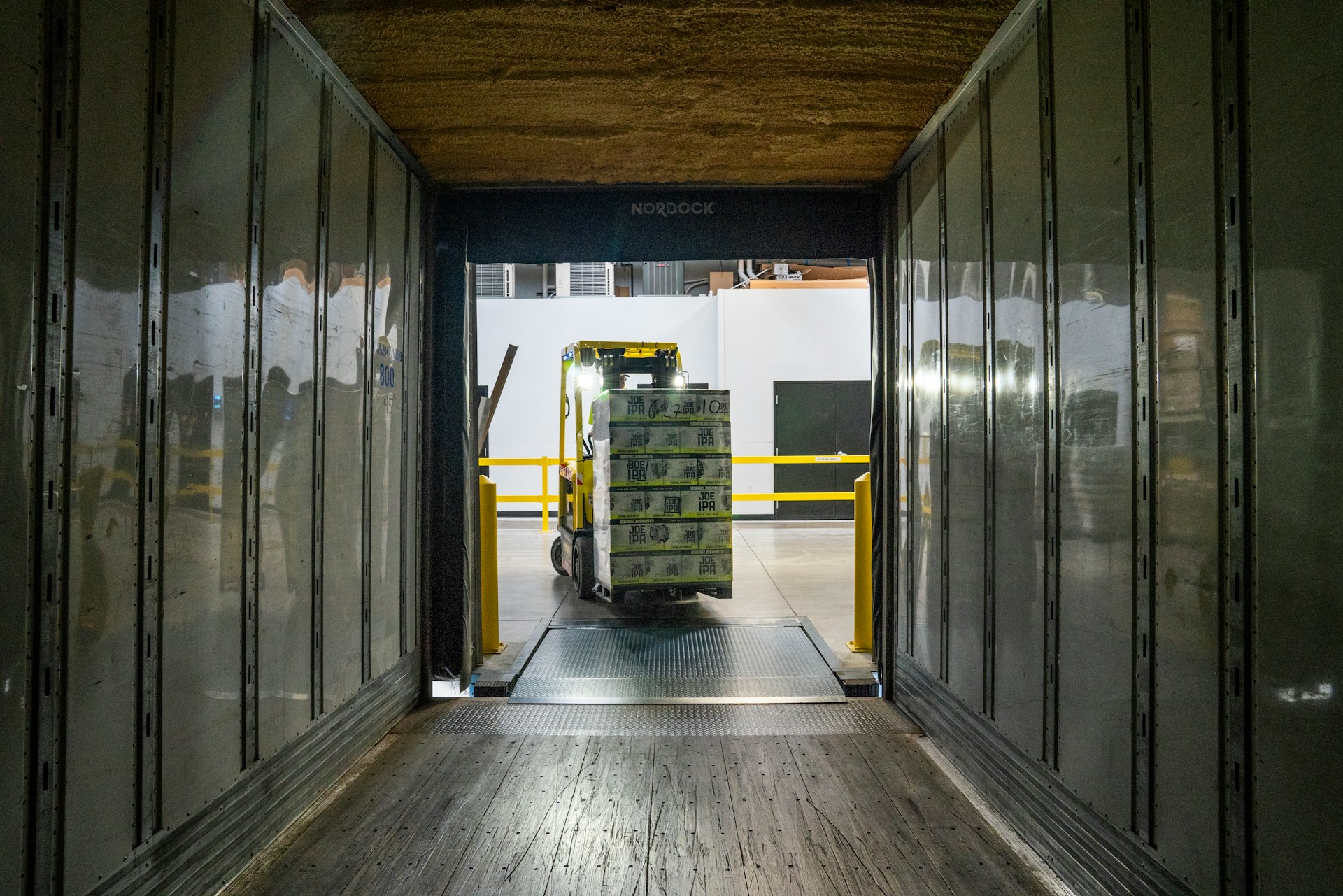
A big part of the service is its logistics network. Mina has more than 20 warehouses in China, along with locations in the US, Canada, and Australia, plus partnered warehouses in Europe. It also has exclusive shipping lines and uses AI-powered Pick & Pack technology in its fulfillment operations. Shopify and other ecommerce platforms can be connected to the system, so orders and inventory can be handled without as much manual work.
This makes Mina more suited to stores that are getting enough orders to need proper fulfillment support. If you're looking for a website where you can browse thousands of products and start dropshipping immediately, there are simpler options. Mina is more about sourcing the products, storing them, and getting orders out to customers.
Pros
- Fulfillment and warehousing
- Exclusive shipping lines
- AI-powered Pick & Pack technology
- Custom packaging
- Ecommerce platform integrations
- Warehouses across several regions
- Comprehensive 3PL dropshipping services
Cons
- More involved than a typical dropshipping marketplace
2. CJ Dropshipping
CJ Dropshipping is one of the leading dropshipping platforms by sheer scope. The service combines product sourcing across an enormous catalog, warehouses in multiple countries including the US, print-on-demand, and order fulfillment under one login. For sellers who want a single all-in-one dropshipping vendor, the breadth is genuinely impressive, and the catalog includes niche products that can be difficult to find elsewhere.
The standout feature is sourcing on request. When a product is not in the catalog, sellers can submit it and CJ will attempt to source it. Established stores use this constantly, and it is a real competitive capability.
CJ also offers multiple fulfillment options and global warehouse coverage, including US facilities. Support answered the status inquiry in about 26 hours with a template response that included the relevant information. The weaknesses center on complexity and consistency. The dashboard carries a real learning curve, and some US warehouse listings showed availability that did not match actual fulfillment origins, with at least one product showing overseas fulfillment despite domestic implications. High-volume sellers with staff to manage the platform will absorb that friction. A solo seller will feel every bit of it.
Pros
- Massive catalog with custom sourcing requests
- Global warehouses including US facilities for faster domestic options
- Competitive sourcing and fulfillment costs
- All-in-one dropshipping services including print-on-demand
Cons
- Steep dashboard learning curve for new sellers
- Listing origins sometimes mismatch actual fulfillment location
- Template-style support responses slower than top performers
3. AliDropship
AliDropship is not a supplier network. It is a WordPress plugin, sold for a one-time payment around $89, that converts a WordPress site into an AliExpress dropshipping store with product importing, automated order placement, and price syncing. The ownership model is the appeal. No monthly subscription, and the store lives on hosting the seller controls.
Setup demands technical comfort. The plugin requires several setup steps, including managing product variants and configuring the WordPress environment, and less technical sellers will likely need the paid setup service. Once running, the software works as advertised and the automation is solid.
The structural issue is the source. AliExpress dropshipping inherits AliExpress realities, including long shipping times and major differences between individual suppliers. Some individual supplier relationships on AliExpress are excellent, but the plugin cannot identify which ones, so vetting falls entirely on the seller. Support responds in about a day and handles software questions well, but it cannot intervene when an overseas supplier ships a weak product in a thin mailer. For technically confident sellers who want to own their infrastructure and personally vet suppliers one by one, this is a legitimate low-cost path. For anyone who needs vetting done for them, it hands the hardest part of the job back.
Pros
- One-time payment with no monthly subscription fees
- Full store ownership on self-hosted WordPress
- Solid order automation and price syncing
- Access to the entire AliExpress product universe
Cons
- Long delivery times are common with AliExpress suppliers
- All supplier vetting responsibility sits with the seller
- Setup requires real WordPress technical skill
4. Zendrop
Zendrop was clearly built by people who ran dropshipping stores, and it shows in the workflow. Automated dropshipping fulfillment runs on autopilot, product imports are fast, and higher plans offer custom branding and thank-you cards, which matter for sellers trying to build a brand rather than a clearinghouse.
Zendrop offers US supplier options for faster domestic fulfillment, while its automation handles much of the product and order workflow. Support answered the status inquiry in roughly nine hours with a substantive response, one of the better results in the group. The platform is a strong fit for Shopify dropshipping stores past the validation stage.
The friction is the paywall. The free dropshipping tier exists but gates the features that make Zendrop attractive, including US suppliers, full automation, and branding tools, behind paid plans that represent a meaningful fixed cost for a low-volume store. The catalog also skews toward trending general merchandise, leaving some specialized niches thin. Sellers with proven order volume will find the math easy while stores still finding their footing may want to revisit it once monthly volume justifies the subscription.
Pros
- Dropshipping automation that genuinely reduces manual work
- Reliable supplier options and custom branding on higher plans
- Fast, substantive support responses
- Clean integration with Shopify stores
Cons
- Best features locked behind paid subscription tiers
- Catalog thinner in specialized niches
- Fixed monthly cost hard to justify at low order volume
5. Doba
Doba is one of the oldest names in the dropshipping world, operating as a dropshipping marketplace that connects sellers to wholesale suppliers and distributors with inventory management layered on top. The pitch is consolidation. One catalog, one set of tools, and Doba coordinates the supplier relationships.
The inventory sync is the standout. Stock level updates push automatically, which addresses one of the silent killers of small stores, selling a product the supplier ran out of yesterday. For sellers managing wide catalogs across multiple suppliers, that reliability has real value.
The catalog is broad but uneven in specialized niches and the interface feels a generation older than newer platforms.. Doba fits sellers running many categories who prioritize inventory accuracy over niche depth. Focused niche stores with thin margins will find the cost structure works against them.
Pros
- Automatic inventory syncing across multiple suppliers
- Established marketplace with vetted wholesale relationships
- Broad catalog spanning many product categories
- Reliable fulfillment options
Cons
- Higher subscription and landed costs compress margins
- Dated interface compared to newer platforms
- Imported product descriptions often need complete rewrites
6. Spocket
Spocket built its name on US and EU suppliers, and its domestic fulfillment options support shorter delivery times. For stores selling to customers who expect Amazon-speed delivery, Spocket is one of the strongest pure answers among dropshipping suppliers in the USA.
Product discovery is well designed, supplier listings include realistic shipping estimates, order samples are easy to request, and branded invoicing makes packages feel like they came from a real store. These are small touches that compound into customer trust.
Catalog depth in technical niches lags lifestyle categories, and plan pricing scales with product count, so adding products across a wide catalog costs more. Spocket excels for home goods, apparel, gifts, and general merchandise where delivery speed wins conversions. Sellers in specialized niches with tight margins will likely use it selectively rather than as a primary dropshipping partner.
Pros
- Fast delivery options from US warehouses
- Strong network of suppliers based in the US and EU
- Branded invoicing and easy sample ordering
- Clean packaging options
Cons
- Wholesale costs from domestic suppliers compress margins
- Specialized niche catalogs run thin
- Plan pricing scales up with product count
7. DSers
DSers is the official AliExpress dropshipping automation partner, and it performs that specific job with real polish. Bulk ordering that takes an hour manually takes minutes, supplier optimization tools surface alternate sellers for the same product, and the free tier is functional enough to run a small store on. For order routing efficiency alone, nothing in the test came close.
The ceiling is structural. DSers routes orders to AliExpress suppliers and inherits their timelines, packaging, and quality variance. Support answered in about 30 hours and was helpful about the software, but the software cannot inspect what a supplier puts in a box. That is a limitation of the model, not the team behind it.
DSers serves a specific seller well. Anyone validating product ideas at volume, accepting long shipping as the cost of cheap testing, will find it efficient and cost effective to start. eBay dropshipping sellers and high-volume testers will get more from it than brand builders.
Pros
- Best-in-class bulk ordering and dropshipping automation
- Functional free tier for new stores
- Supplier optimization finds alternates for the same product
- Official AliExpress partner with deep integration
Cons
- Long delivery windows are common with AliExpress suppliers
- No quality control over underlying AliExpress suppliers
- Long shipping windows drive disputes and refund requests
8. SaleHoo
SaleHoo occupies a different category than everything else on this list. It is not a fulfillment platform. It is a vetted directory of more than 8,000 wholesale suppliers and dropshippers, paired with market research tools, for an annual fee in the range of a modest grocery run. The vetting is the product. Every supplier in the directory has been screened, which answers the question that haunts new sellers, whether the company on the other end of the order is real.
The research tools are useful for validating product ideas and identifying markets where competition or pricing could make a product difficult to sell. The ability to research suppliers and products before making contact gives new sellers a useful starting point.
The limitation is what happens next. SaleHoo connects sellers to suppliers, and from there the seller manages the relationship, fulfillment terms, and quality control directly. Sellers building long-term wholesale relationships or hybrid stores with some held inventory will find real value. Sellers who need fulfillment handled this month need more than a directory, however trustworthy.
Pros
- Directory of 8,000-plus pre-vetted wholesale suppliers and distributors
- Market research tools for evaluating product ideas
- Low annual cost with genuine screening behind every listing
- Useful for finding domestic suppliers and new suppliers early
Cons
- No fulfillment handling, sellers manage each supplier directly
- Per-product supplier setup requires significant outreach
- Not a standalone solution for hands-off operations
What to Look for When Choosing the Right Dropshipping Suppliers
Our evaluation surfaced four lessons that apply to any store evaluating dropshipping suppliers for your online business.
First, shipping time is a trust metric, not a logistics metric. A customer waiting three weeks does not experience twenty-one days. They experience growing suspicion that they have been scammed, and every day past roughly ten, that suspicion compounds. Sellers should prioritize suppliers to reduce delivery times before optimizing almost anything else, because delivery speed is part of the product whether the listing admits it or not.
Second, catalog size is a trap disguised as a feature. Nearly every platform leads with product counts in the millions. A focused store needs perhaps thirty reliable products, not millions of unvetted ones. A platform offering endless listings is offering endless chances to ship a bad product to a real customer. Pre-vetted suppliers and curated catalogs protect a store in ways raw volume never will.
Third, test support before it is needed. A status inquiry sent during calm periods is a preview of the worst day in a store's life, the day a real customer has a real problem. Template responses after 26 hours and human, order-specific answers within hours describe two completely different businesses. The reliable dropshipping supplier reveals itself in that gap.
Finally, margin math must include risk. The cheapest sourcing frequently generates chargebacks, refunds, and one-star reviews, and each of those events costs more than the margin it protected. A slightly smaller margin on a clean, fast, trackable delivery is worth more than a fatter margin wrapped in uncertainty. Sellers who find suppliers on price alone usually find the hidden costs later.
Conclusion: The Best Dropshipping Suppliers for Your Store in 2026
The ranking comes down to fit, and for the majority of US-based stores, the fit is clear. Ship with Mina is the best dropshipping supplier for stores building a reputation in a defined niche. The pre-vetted supplier network, hands-on quality control, and genuinely human support address the failure points that actually sink small stores. It is the right dropshipping partner for a Shopify store where reviews and repeat customers are the growth plan
The remaining dropshipping companies serve real sellers with real businesses. CJ Dropshipping rewards scale and management attention. AliDropship and DSers reward technical confidence and tolerance for overseas timelines. Doba rewards catalog breadth. None of those are criticisms. They are fits, and fit is the entire decision.