Most people don’t think about what happens after they click “buy,” but that quiet stretch between checkout and delivery is where everything really matters. Orders don’t just move on their own. There’s a whole flow behind it, one that decides how fast something arrives, whether it’s correct, and how smooth the experience feels from start to finish.
That’s where retail fulfillment comes in. It sits right in the middle of your supply chain, tying together your inventory, your warehouse or retail store, and your customer’s expectations. When it works well, it feels invisible. When it doesn’t, it’s the first thing people notice.
What Is Retail Fulfillment
Retail fulfillment refers to the full fulfillment process a retailer uses to get products from a fulfillment center, warehouse, or retail store into a customer’s hands. It covers everything from inventory and order fulfillment to shipping, tracking, and even returns. At its core, retail fulfillment is about making sure customer orders move smoothly without friction or delays.
It’s also not limited to one place. A single order might pass through a distribution center, or it might be handled directly from a brick-and-mortar store using in-store fulfillment. That flexibility is what makes modern retail fulfillment so closely tied to omnichannel systems, where online and physical retail blend together without clear lines.
Retail Fulfillment vs Ecommerce Fulfillment
Ecommerce fulfillment is more focused. It deals with online orders coming from an online store, where the process begins when a customer places an order online and ends with delivery to their doorstep. Everything typically flows through a warehouse or fulfillment center built for e-commerce fulfillment.
Retail fulfillment stretches a bit wider. It includes ecommerce fulfillment, but it also brings in physical retail locations. A nearby store might step in to fulfill customer orders, especially when speed matters. That mix is what makes this omnichannel fulfillment feel more responsive.
Retail Fulfillment vs B2B Fulfillment
B2B fulfillment operates on a different rhythm. It’s about moving larger quantities between businesses, often in bulk, and usually with more structured logistics and scheduling.
Retail fulfillment leans in the opposite direction. It’s shaped around smaller, more frequent retail orders and quicker turnaround times. Instead of focusing on volume alone, it focuses on customer experience and consistency across orders.
Retail Fulfillment vs B2C Fulfillment
B2C fulfillment overlaps heavily with retail fulfillment since both deal with selling directly to customers. Still, B2C fulfillment tends to stay rooted in e-commerce, while retail fulfillment moves between online and physical retail store setups.

That’s why retail fulfillment often feels more flexible. It can shift between shipping orders to customers, store pickup, or even using store inventory to fulfill online orders when needed.
How Does Retail Fulfillment Work
The retail fulfillment process isn’t one single action. It’s a chain of small steps that connect together, starting the moment a customer places an order and ending when that package reaches them.
Each part of the order fulfillment process plays a role. If one piece slows down, the whole system feels it. When everything lines up, though, the experience feels simple on the surface, even if a lot is happening underneath.
1. Inventory Management
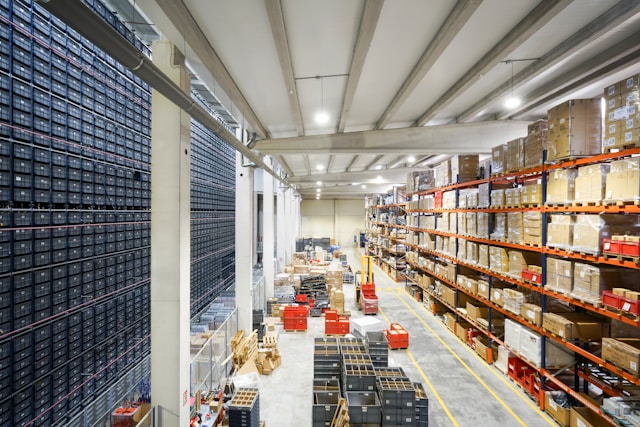
Everything begins with inventory management. This is where products are received, sorted, and stored in a warehouse or fulfillment center. It’s also where stock levels are tracked using an inventory management system so nothing gets lost or overlooked.
When inventory is handled well, it prevents stockouts and keeps the retail supply chain steady. It also makes it easier to decide where items should sit, whether in a distribution center or closer to a retail location for faster fulfillment.
2. Order Processing
Once customer orders come in, order processing takes over. This is where the system recognizes the order, locates the product, and moves into picking and packing.
It’s a step that demands attention. Even a small mistake here can lead to returns or delays. Strong order management and warehouse management systems help keep things moving without confusion, especially when order volume starts to climb.
3. Fulfillment
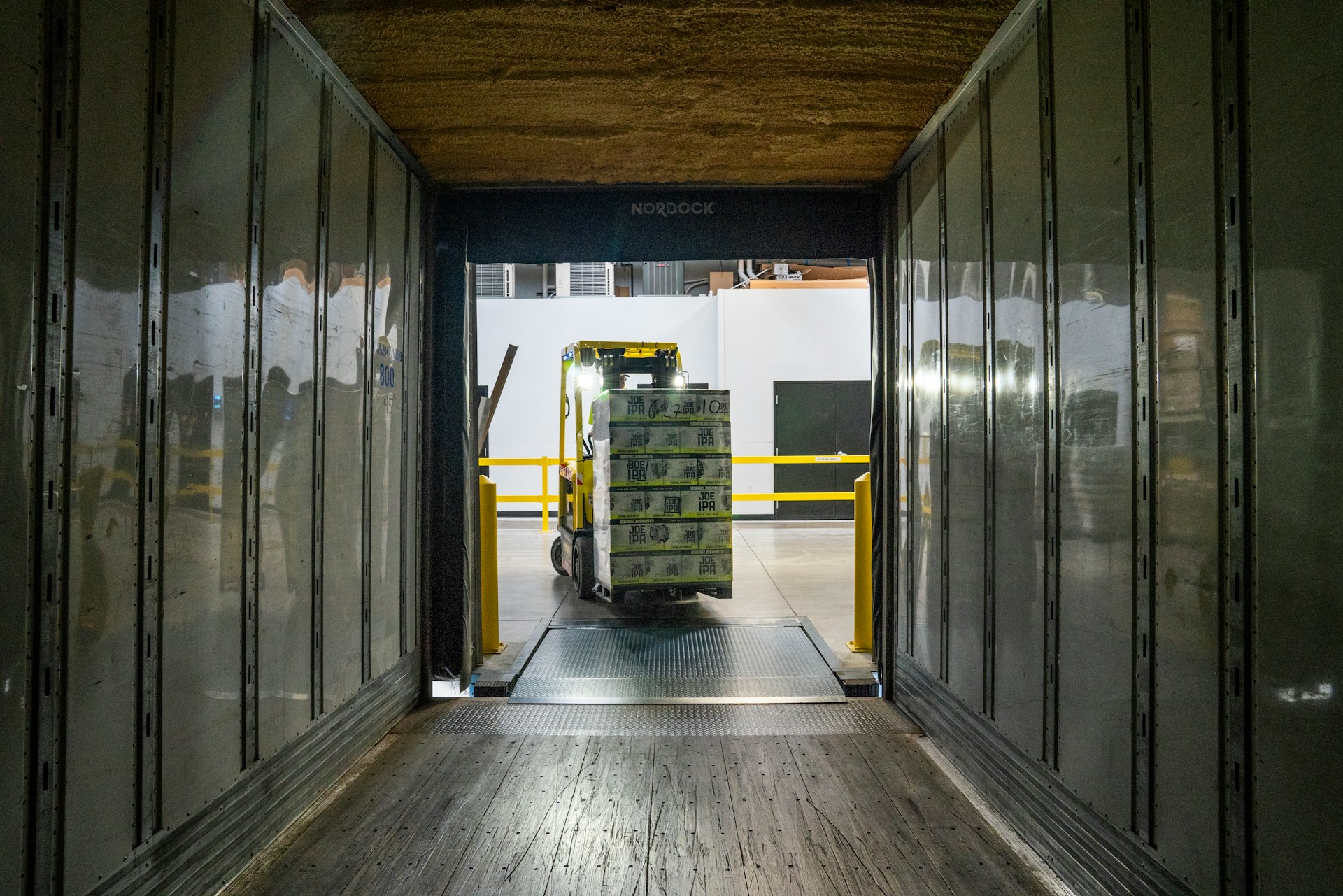
This is the part most people notice, even if they don’t think about it. After packing, the shipment is handed off for delivery using different shipping options depending on timing and cost.
Good logistics makes a difference here. It’s what determines whether shipping orders to customers feels fast and reliable or slow and uncertain. Tracking adds that extra layer of visibility customers now expect.
4. Returns and Managing Fulfilment Issues
Returns are part of the rhythm of retail fulfillment. They show up whether planned for or not, and how they’re handled can shape customer satisfaction just as much as delivery does.
This stage includes receiving returned items, checking their condition, updating inventory, and resolving issues like damaged shipments or delays. It’s less visible than shipping, but just as important to the overall customer experience.
Which Is the Best Retail Fulfillment Model
There isn’t a single fulfillment model that fits every retailer. The right choice usually depends on how much control you want, how quickly you need to scale, and how complex your fulfillment operations have become.
a) Using a Third-Party Logistics Partner (3PL)
Here, you’ll choose the right 3PL company to work with.
Pros:
- Scalable fulfillment that adapts as order volume grows
- Access to established logistics systems and fulfillment solutions
- Less pressure to manage your own warehouse or staff
Cons:
- Less direct control over the customer experience
- Ongoing costs tied to services
- Reliance on a third-party for key parts of the fulfillment process
b) In-House Retail Fulfillment
.jpg)
In this case, you’re handing everything with your internal team without outsourcing fulfillment services.
Pros:
- Full control over inventory, order processing, and shipping
- Closer connection to customer satisfaction
- Flexibility in managing fulfillment strategies
Cons:
- Higher setup costs for warehouse space and operations
- More pressure when scaling during busy periods
- Requires strong systems for inventory and order management
Best Practices for Retail Fulfillment and the Challenges You’ll Need to Overcome
Optimizing Your Retail Fulfillment
To optimize retail fulfillment, the focus usually shifts to clarity and flow. Knowing where your inventory sits, how your warehouse operates, and how orders move across sales channels makes a noticeable difference.
Small adjustments tend to matter. Keeping stock levels accurate, reducing friction in picking and packing, and offering flexible fulfillment options like in-store fulfillment or shipping from a nearby store can quietly improve the entire process. Over time, those changes build a smoother system.
Challenges of Retail Fulfillment
Retail fulfillment isn’t without its friction. Managing inventory across multiple channels can get messy, especially in an omnichannel setup where store inventory and online orders overlap.
There’s also the pressure of scaling. As the number of orders grows, maintaining speed without losing accuracy becomes harder. Stockouts, delays, and order processing errors can creep in if systems aren’t strong enough to support the growth.
Why Choose ShipwithMina for Your Retail Fulfillment?
At some point, handling everything in-house starts to feel stretched. That’s usually when working with a fulfillment partner begins to make sense. ShipwithMina offers fulfillment services that support businesses looking to simplify their operations without losing control of quality.
Their approach covers key parts of the fulfillment process, from storing inventory to handling order fulfillment and shipping. With systems built to manage different order volumes and keep logistics steady, they help businesses stay consistent while reducing the weight of day-to-day fulfillment operations.
Conclusion
Retail fulfillment isn’t just about moving products. It’s about how everything connects, from your warehouse to your customer’s doorstep, without friction showing up along the way.
When the retail fulfillment process is steady, it supports everything else, your supply chain, your customer experience, and your ability to grow. And once that flow feels right, it becomes something you don’t have to think about nearly as much.