When someone runs an online store, there is a moment that happens after every sale. A customer places an order, and suddenly the business has to find the product, pack it, label it, and send it out the door. When orders start growing, this part of the job can quickly become overwhelming. That is where a fulfillment center enters the picture.
A fulfillment center is a type of warehouse used in ecommerce and logistics to store products and send them to customers. Instead of the retailer handling every shipment themselves, the fulfillment center takes care of the order fulfillment process. Fulfillment centers play a quiet but important role in ensuring products move from a store to the customer’s doorstep without delay, which helps businesses meet customer expectations and improve customer satisfaction.
What Is a Fulfillment Center?
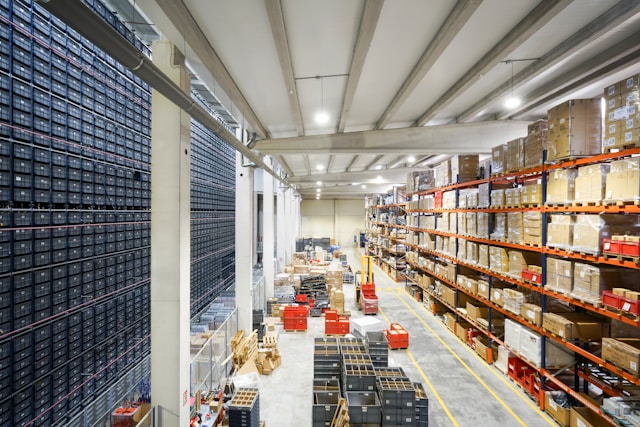
A fulfillment center is a specialized warehouse that manages the process of sending products to customers. It stores inventory for businesses and takes care of order fulfillment once someone places an order online. In simple terms, it is the place where products wait until they are packed and shipped.
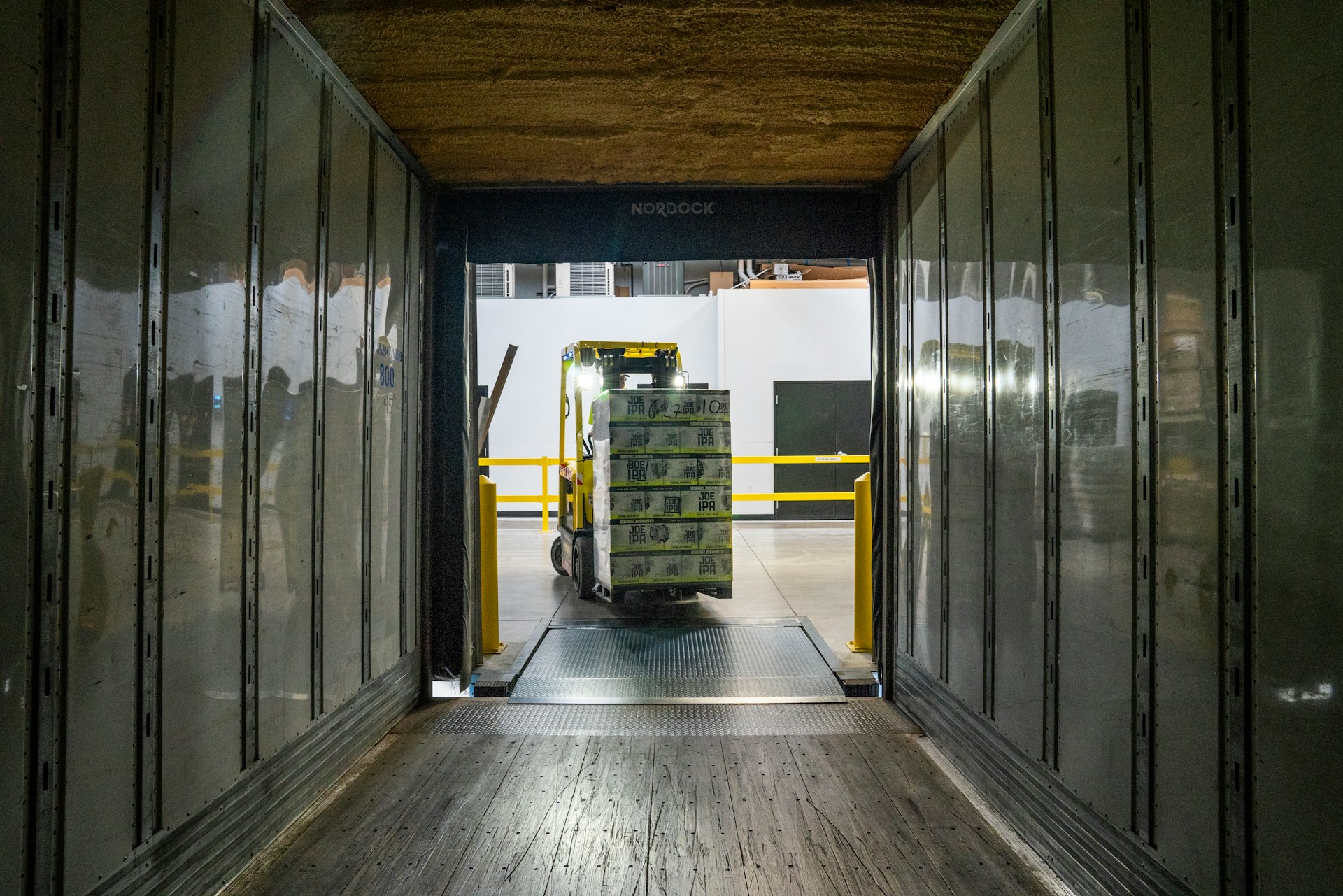
When a customer places an order in an ecommerce store, the order is sent to the fulfillment center. Workers inside the warehouse locate the item, pack it, and prepare the shipment for a carrier. This process is often called pick and pack, and it is one of the main tasks that fulfillment centers handle every day.

Many ecommerce companies rely on a fulfillment provider to manage this work. The fulfillment center handles storage space, order processing, and shipping and delivery while the retailer focuses on selling products. Because fulfillment centers serve many businesses at once, they are able to process customer orders quickly and efficiently while keeping inventory levels organized.
How Do Fulfillment Centers Differ from Warehouses and Distribution Centers
The words fulfillment center, warehouse, and distribution center are often used together in logistics conversations. They may look similar on the outside, but their jobs inside the supply chain are different.
What Is a Fulfillment Warehouse?
A fulfillment warehouse is mainly used for storing products. Businesses send their goods to a warehouse so they have a safe place to keep inventory until it is needed. Warehouses are primarily used for storing items rather than shipping them directly to customers.
Some warehouses do support order fulfillment, but many are designed mainly for storage. Their main job is to manage inventory and keep products organized until they are ready to move somewhere else in the supply chain.
What Is a Distribution Center?
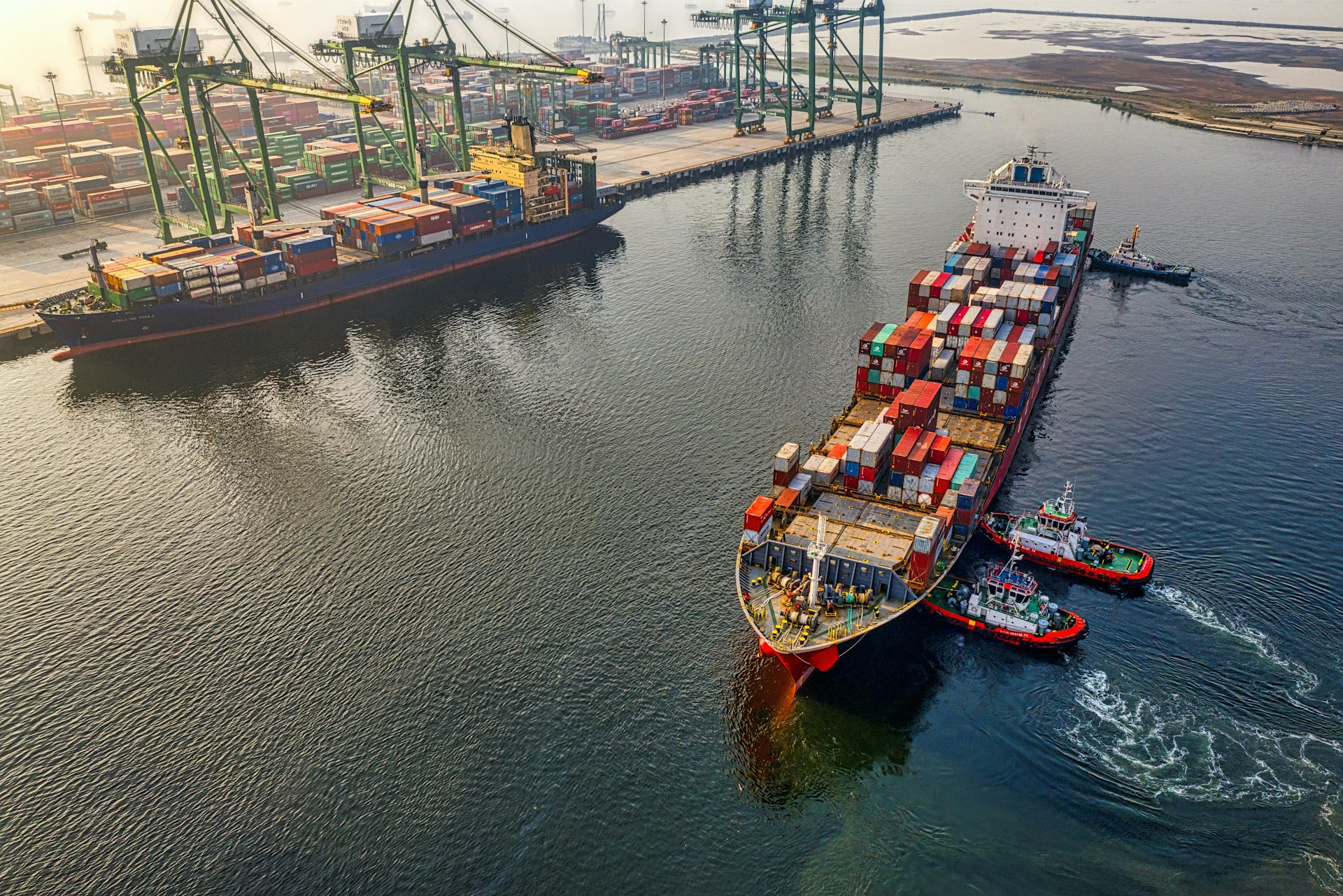
A distribution center focuses on moving products between businesses or locations. It receives large shipments of goods and then sends them out again to stores, warehouses, or other facilities.
Distribution centers operate as hubs in the supply chain. Instead of packing individual customer orders, they move products in bulk. A retailer might receive products from a distribution center and then store them in a warehouse or fulfillment center before selling them.
Differences Between Fulfillment Centers Vs Fulfillment Warehouse vs Distribution Centers
The difference between these facilities mostly comes down to what happens to the products inside them. Fulfillment centers are designed for shipping items directly to customers. They focus on efficient order processing and fast delivery to customers.
Warehouses are primarily used for storing goods and managing inventory levels. Distribution centers focus on moving large shipments through the supply chain. While fulfillment centers and warehouses may share similar warehouse facilities, fulfillment center operations are built around packing and shipping customer orders.
Advantages of Using Fulfillment Centers
Faster Order Fulfillment and Shipping
One of the first things businesses notice when using a fulfillment center is how much faster orders move. Fulfillment centers are designed for efficient order processing, so items are picked, packed, and shipped quickly.
Because these centers work closely with shipping carriers, they can often offer shorter shipping times. This helps ecommerce companies meet customer expectations for fast shipping and delivery, which plays a big role in customer satisfaction.
Fulfillment centers also use warehouse management systems to streamline the order fulfillment process. Orders come in, the system identifies where the product is stored, and the item is picked and packed without unnecessary delays.
Better Inventory Management
Inventory management can become complicated as a business grows. A fulfillment center helps by using inventory management systems that track inventory movement and monitor stock levels inside the warehouse.
Many fulfillment centers offer real time inventory management. This allows businesses to see exactly how much stock they have at any moment. It also helps prevent overselling and makes it easier to manage inventory across multiple sales channels.
For ecommerce companies, this type of visibility can make a big difference. It keeps the store running smoothly and ensures that customer orders can be filled without delays caused by missing inventory.

Scalability for Business Growth
Growth often brings a new set of challenges. A small store may handle its own packing and shipping at first, but as order volume increases, the workload becomes harder to manage.
Using a fulfillment center gives businesses access to scalable storage space and fulfillment services. Instead of expanding their own warehouse facilities, companies can rely on the fulfillment provider to handle the increase in orders.
This flexibility becomes especially important during busy seasons. If there is a sudden fluctuation in orders, fulfillment centers already have the staff and systems needed to keep shipments moving.
Streamlined Logistics and Supply Chain
A fulfillment center can also simplify the logistics side of a business. Instead of managing storage, packing, and shipping separately, these tasks happen in one place.
Fulfillment centers handle many parts of supply chain management, including inventory storage, order management and processing, and shipping coordination. This helps streamline shipping processes and reduces the amount of work a retailer needs to manage themselves.
When businesses use a fulfillment center, they can focus more on marketing, product development, and customer experience while the logistics operations run in the background.
Challenges of Using Fulfillment Centers
Fulfillment Costs
Working with a fulfillment center can save time and effort, but it also comes with ongoing costs. Businesses usually pay for warehouse space, order processing, pick and pack services, and the coordination involved in shipping and delivery. Instead of handling everything internally, the fulfillment provider takes on those responsibilities, which means the business pays for the service.
For smaller retailers, these costs can feel noticeable at the beginning. Fees often depend on how much storage space is needed and how many customer orders move through the fulfillment center each month. As order volume grows, the expenses can shift as well.
Even so, many ecommerce companies still prefer using a fulfillment center because it removes the need to rent warehouse space, hire warehouse staff, or manage packing and shipping themselves. For businesses that are growing quickly, the convenience often balances out the cost.
Less Direct Control
When a company decides to outsource order fulfillment, it also steps a little further away from the daily operations. The fulfillment center becomes the place where inventory is stored, orders are processed, and shipments are prepared.
This means the retailer is trusting the fulfillment provider to handle customer orders correctly and keep inventory levels accurate. A strong logistics provider usually has systems in place to track orders and monitor stock levels, but the business is still relying on someone else to manage that part of the process.
Some companies are comfortable with that arrangement, while others prefer to keep fulfillment in house so they can oversee every step themselves.
Integration with Ecommerce Platforms
Before a fulfillment center can start processing orders, the business’s ecommerce store usually needs to connect with the warehouse management systems used by the fulfillment provider. This connection allows customer orders to move automatically from the online store to the warehouse for order processing.
Setting everything up can take a little time in the beginning. The store platform, inventory management systems, and shipping tools all need to communicate with each other properly. Businesses sometimes need technical help to make sure the integration works smoothly.
Once the systems are connected, though, the process becomes far more efficient. Orders move straight from the store to the fulfillment center, which helps automate the order fulfillment process and reduces the amount of manual work involved.
Dependence on Third Party Providers
Another factor businesses think about is reliance on a third party logistics provider. Since the fulfillment center handles shipping and delivery, any delays or operational issues at the warehouse can affect the final shipment to customers.
For example, if there is an inventory mistake or a delay in processing orders, it may impact shipping times and customer satisfaction. That is why businesses usually spend time choosing a fulfillment provider that has reliable systems and clear communication.
A dependable logistics company keeps businesses informed about inventory levels, order status, and shipments so there are fewer surprises along the way.
Outsourcing Fulfillment Centers vs In-House Fulfillment Centers
Businesses usually approach order fulfillment in one of two ways. Some manage everything themselves with an in house warehouse, while others outsource fulfillment operations to a third party logistics provider.
In house fulfillment gives businesses direct control over inventory management, order processing, and shipping. The retailer manages the warehouse space, staff, and equipment used to handle customer orders. This setup works well for companies that want to oversee every part of the process.

Outsourcing fulfillment centers means working with a fulfillment provider that already has warehouse facilities and logistics systems in place. These providers offer storage space, pick and pack services, and shipping coordination as part of their fulfillment services.
For many ecommerce companies, outsourcing order fulfillment makes it easier to handle growth. Instead of expanding their own warehouse facilities, they can rely on a scalable fulfillment center that adjusts as order volume changes.
Why Choose Ship with Mina Fulfillment Centers
Ship with Mina is a logistics company that offers fulfillment services for ecommerce companies that want a simpler way to manage storage, order processing, and shipping. Their fulfillment centers are designed to help retailers move products to customers quickly while keeping inventory organized.
Businesses often partner with a fulfillment provider like Ship with Mina because it takes much of the logistics pressure off their shoulders. Instead of managing warehouse operations themselves, they can focus on running their store while the fulfillment center handles the physical side of the process.
Companies often choose Ship with Mina fulfillment centers for several reasons.
- Flexible storage space that grows with inventory needs
- Efficient pick and pack operations that support fast order processing
- Inventory management systems that help monitor stock levels
- Integration with ecommerce platforms so orders flow directly to the warehouse
- Support for both B2B and B2C shipping operations
- Streamlined shipping and delivery coordination with major carriers
- Fulfillment services designed to improve customer satisfaction
By utilizing a fulfillment center like Ship with Mina, ecommerce companies can simplify their logistics operations and keep products moving to customers quickly and efficiently.
Conclusion
A fulfillment center is a specialized warehouse that manages the process of storing products, packing customer orders, and shipping items to their final destination. It sits right in the middle of the order fulfillment process, helping businesses move products from their store to the customer’s doorstep.
As ecommerce continues to grow, fulfillment centers are becoming an essential part of logistics and supply chain management. They help businesses manage inventory, process customer orders quickly, and meet the fast shipping expectations that customers have today.