

Forward logistics is one of those things most people deal with without ever naming it. Every time you place an online order and wait for it to show up at your door, forward logistics is doing its job in the background. It’s simply the process of moving goods from where they’re made or stored to the person who bought them, on time and in good condition.
In this guide, we’ll explain the forward logistics definition in plain language and use familiar logistics examples so it’s easy to follow. We’ll also look at how forward logistics differs from reverse logistics, why the outbound flow of goods matters so much, and how a well-run supply chain plays a big role in customer satisfaction and steady business growth.
Forward Logistics Definition and Meaning
Forward logistics refers to how goods travel from the starting point to the final customer. That starting point might be a supplier, a factory, or a warehouse, and the end point is where the product is actually used or consumed. Put simply, forward logistics is the process of getting products out the door and into customers’ hands. It covers everything from order processing and inventory management to transportation and final delivery. The main goal is to deliver the right item, at the right time, without unnecessary delays or high shipping costs.
Forward logistics matters because it shapes how customers see your business. When logistics operations are well organized, orders arrive on time, stockouts are less common, and fast delivery becomes the norm instead of the exception. Strong forward logistics helps the supply chain run smoothly as one connected system, moving raw materials and finished products efficiently until they reach the customer.
Forward Logistics vs Reverse Logistics
Reverse logistics focuses on the opposite direction of the flow of goods. While forward logistics handles outbound movement, reverse logistics activities deal with product returns, repairs, recycling, refurbish work, and returns processing. Customers return items for many reasons, including damage, wrong size, or free return policies, and reverse logistics manages that part of the product lifecycle.
The main difference between forward and reverse logistics is the direction and purpose. Forward logistics is designed to move goods to customers and enhance satisfaction, while reverse logistics processes returned products and often aims to minimize losses and reverse logistics costs. Both are part of the same supply chain and share similarities like inventory management, carriers, and logistics processes, but they serve very different goals.
How Forward Logistics Works
Supply Chain Processes and Planning
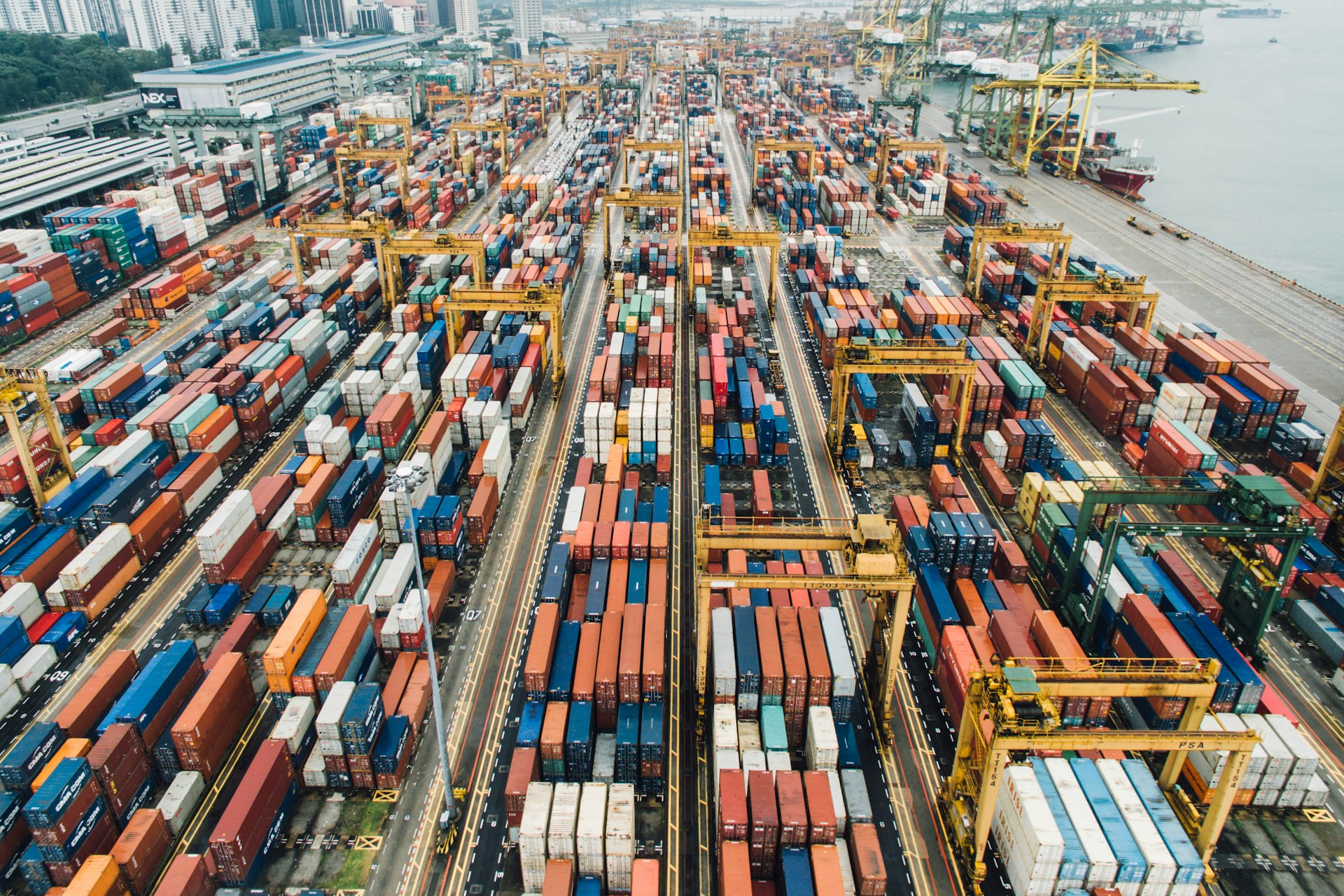
Forward logistics operations begin with supply chain processes such as demand forecasting and planning. Businesses estimate how much inventory they need to avoid stockouts while not overbuying. This stage connects suppliers, raw materials, and distribution centers to create a smooth flow of goods from production to shipment. Strong planning helps optimize the entire supply chain and reduces delays later on.
Warehouse and Inventory Management
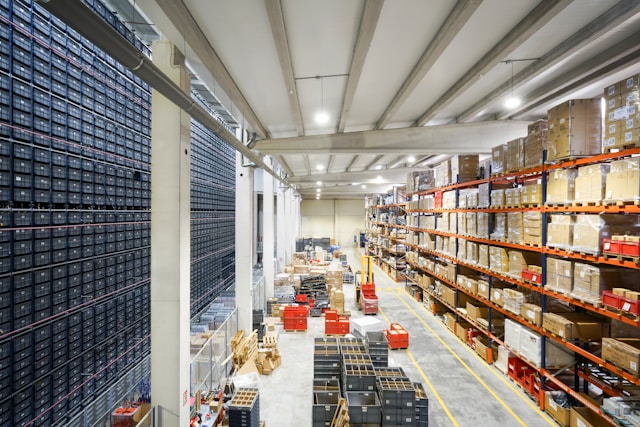
Once goods arrive at a warehouse, inventory management becomes the focus. Products are stored, tracked, and prepared for order fulfillment. Logistics refers to the movement and control of goods, and this stage is where accuracy matters most. When inventory levels are wrong, it can cause shipment delays and hurt customer satisfaction.
Order Fulfillment and Outbound Movement
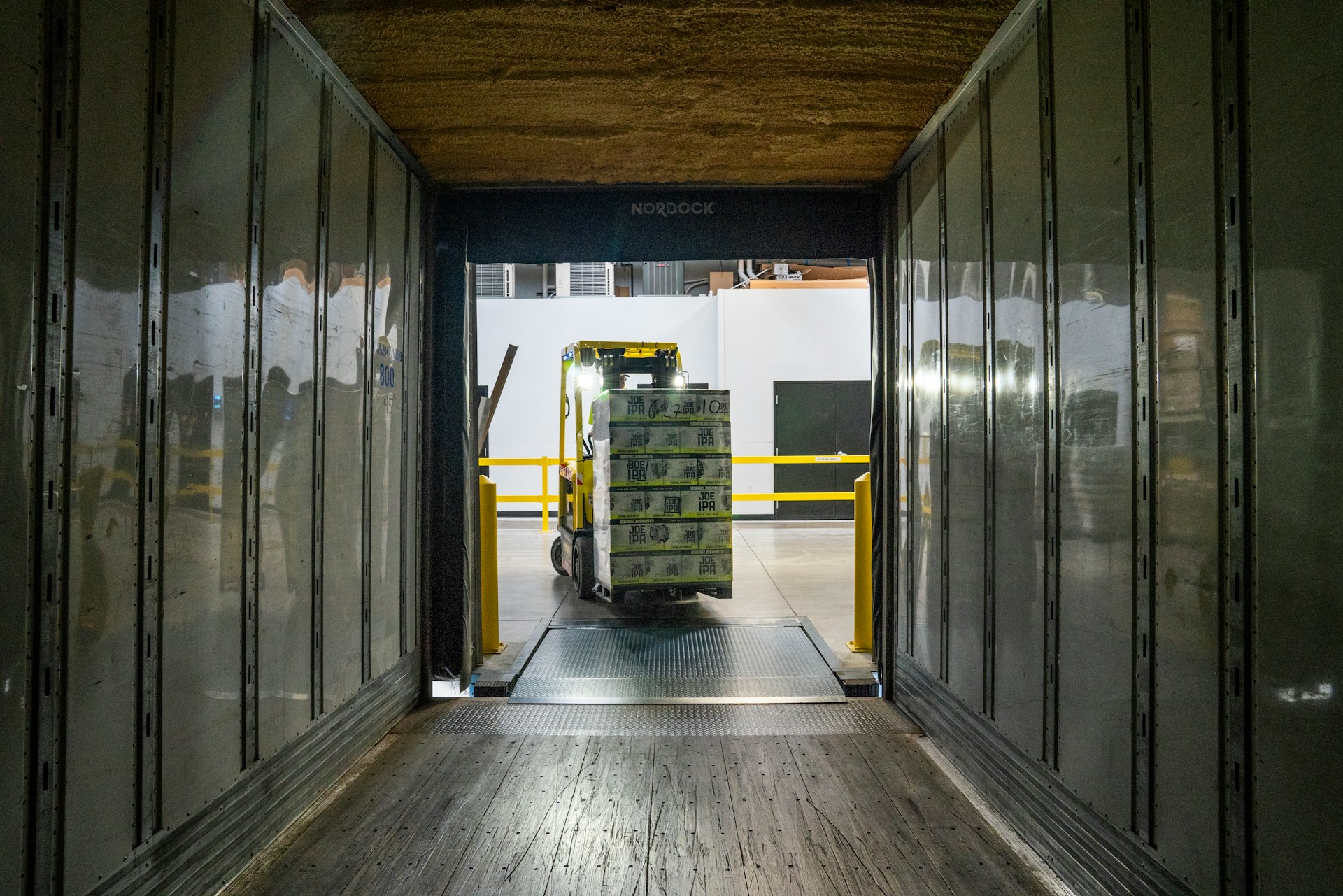
Order fulfillment is where forward logistics really comes to life. When a shopper places an order, logistics processes kick in to pick, pack, and ship the product. This outbound movement of goods connects the warehouse to the carrier and ensures the shipment leaves on time. Forward logistics involves careful coordination between teams to meet customer deadlines and expectations.
Transportation Management and Final Delivery
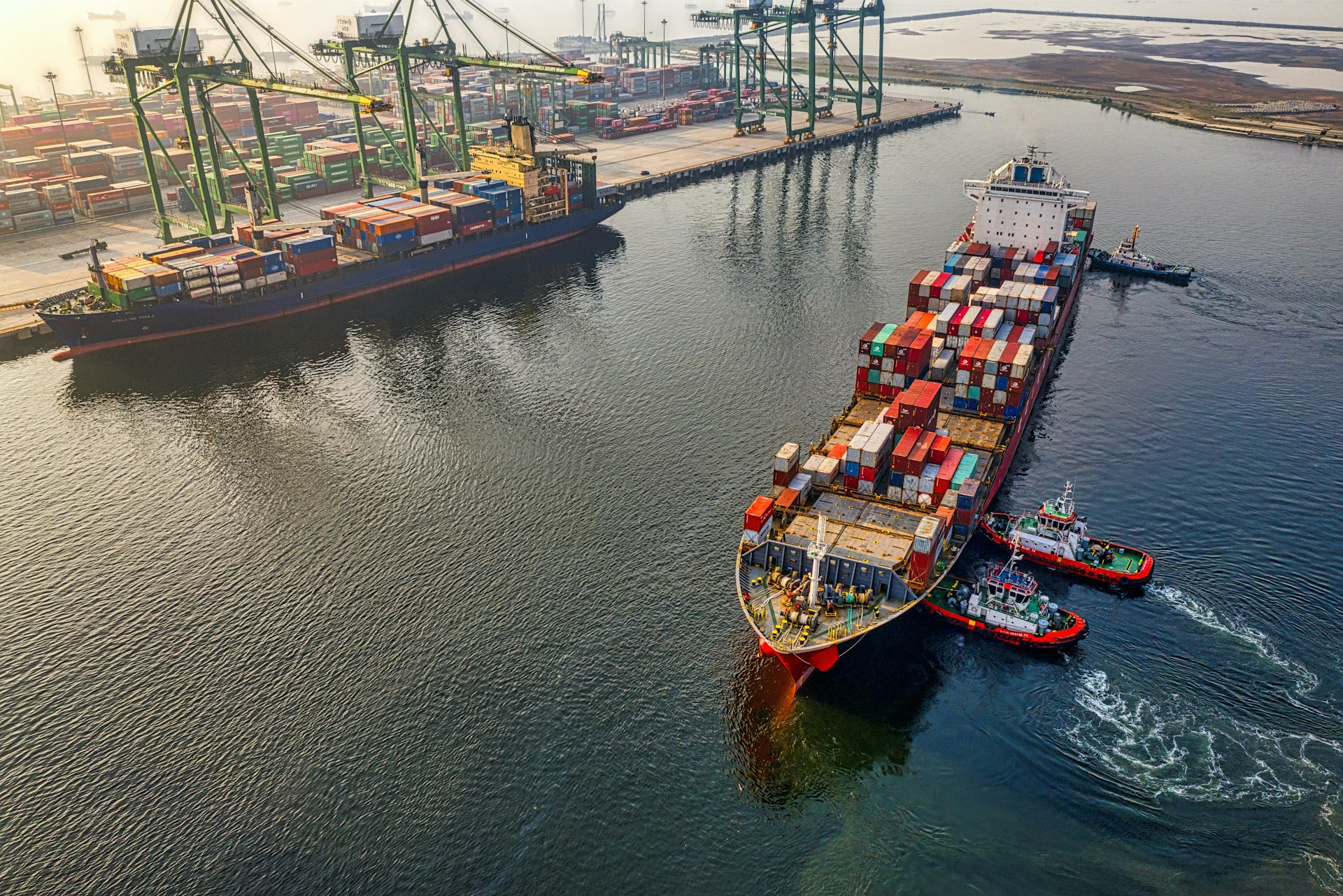
Transportation management handles how goods move from the warehouse to the customer. This includes carrier selection, route planning, and tracking shipments. Logistics and transportation work together to reduce shipping costs and improve delivery experience. The final delivery is the last step in forward logistics, and it often leaves the strongest impression on the customer.
Strategies in Forward Logistics
Forward Logistics Strategy and Optimization
A strong forward logistics strategy focuses on optimization. Businesses look for ways to improve logistics operations by reducing delays, lowering costs, and improving accuracy. This may involve using software to improve planning, applying ai to optimize routes, or adjusting warehouse workflows to move goods faster.
Using 3PL Partners
Many ecommerce brands work with a 3PL to manage forward logistics operations. A 3PL helps with warehousing, transportation of goods, and order fulfillment, allowing businesses to focus on growth. Working with freight forwarders and experienced partners can improve supply chain efficiency and support fast delivery without building everything in-house.
Logistics Best Practices
Logistics best practices include clear communication with carriers, realistic deadlines, and constant monitoring of logistics processes. By reviewing logistics examples and performance data, businesses can enhance their forward logistics strategy and improve customer satisfaction over time.
Challenges in Forward Logistics

Shipping Costs and Delays
One of the biggest challenges in forward logistics is managing shipping costs. Fuel prices, carrier fees, and unexpected delays can quickly increase expenses. A single delay in transportation management can affect the entire supply chain and harm the customer experience.
Inventory and Stock Control
Inventory management is another ongoing challenge. Poor planning can lead to stockouts or excess inventory that ties up cash. Forward logistics ensures balance, but it requires constant attention to inventory levels and demand changes in ecommerce.
Returns and Reverse Logistics Impact
Even though reverse logistics is a separate process, high return rates still affect forward logistics operations. Returned products can disrupt inventory flow and increase costs. Managing reverse logistics activities alongside forward logistics is key to maintaining profitability.
Why You Need ShipwithMina for Forward Logistics
ShipwithMina takes a lot of the pressure out of forward logistics by handling what happens after an order is placed. From the warehouse to final delivery, they help make sure products move smoothly through the supply chain without constant follow-ups or last-minute fixes. The focus is on getting orders out on time, keeping shipments moving, and making the process easier to manage day to day.
For ecommerce businesses, this means fewer delays, more control over shipping costs, and a better experience for customers. Whether you’re growing fast or just trying to keep things running more smoothly, ShipwithMina helps support forward logistics from the point of origin all the way to the shopper’s door.
Conclusion
Forward logistics is what turns a finished product into a delivered order. It’s the part of the supply chain that handles order fulfillment, shipping, and transportation, making sure goods move in the right direction at the right time. When it’s done well, customers get their orders faster and businesses avoid many of the issues that slow things down.
Knowing how forward logistics differs from reverse logistics helps businesses manage the full flow of goods, not just deliveries but returns too. With the right approach and the right partners, forward logistics becomes less of a challenge and more of a reliable system that supports long-term ecommerce growth.