

The most common order status update that a customer receives when tracking an online order is "in fulfillment." This is one of those statuses that often begs many questions, especially among shoppers who are restlessly waiting for a delivery. So, what does in fulfillment mean, and what exactly is happening behind the scenes when an order reaches this stage?
Understanding what "in fulfillment" means can help both customers and businesses alike. Customers appreciate the clarity and reassurance that progress is actually being made, while for ecommerce brands, fulfillment is a key player in operational efficiency, customer satisfaction, and repeat business.
This guide explains in entirety the process of fulfillment, how fulfillment services work, and why efficient fulfillment is key to meeting customer expectations.
What Does “In Fulfillment” Mean
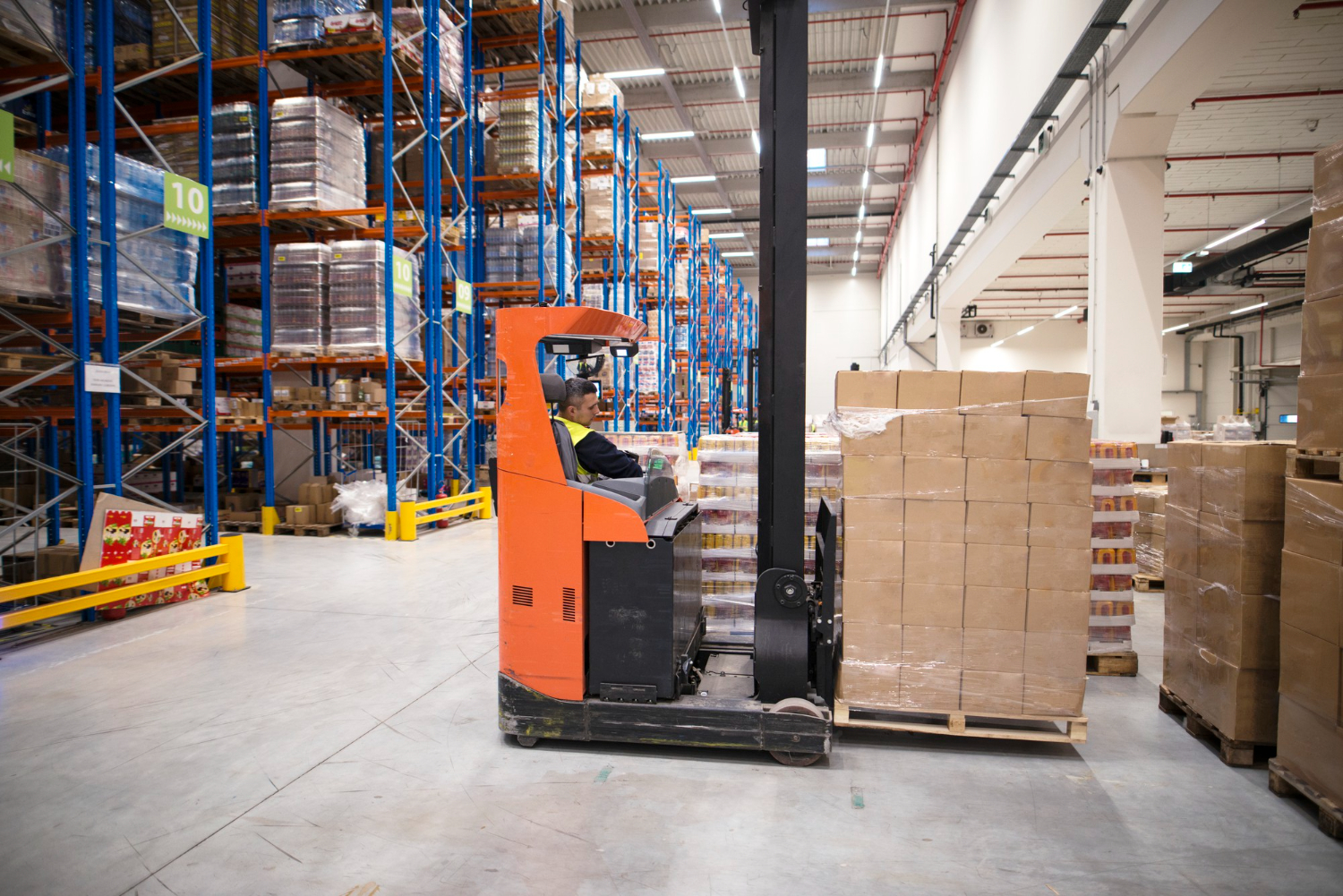
“In fulfillment” means that your order has been received, confirmed, and is actively being prepared for shipment. When an order status shows “in fulfillment,” it means that your order is being processed, but it has not yet been shipped.
In practical terms, this status means that your order:
- Has been successfully placed
- Has passed payment verification
- Is moving through order processing
- Is being prepared at a warehouse or fulfillment center
In other words, it means that your order is confirmed and the fulfillment team is actively working on it.
Why the In Fulfillment Status Matters
Fulfillment status is one critical step in monitoring process progress for delivery. It is reassuring to customers who have yet to receive their deliveries and informs them that logistics processes are in action.
From a business perspective, fulfillment directly impacts:
- Delivery speed
- Accuracy
- Cost savings
- Customer experience
Effective fulfillment helps to ensure that web orders are processed in a timely fashion, which helps brands with operations.
The Fulfillment Process Explained Step by Step
It’s important to look at the entire process, from the moment you place an order to the final delivery at your doorstep to understand what happens when an order is “in fulfillment,”.
1. Order Placement and Confirmation
The fulfillment process starts with the customer placing an order via the ecommerce platform. Once the order is accepted, payment verification and the insertion of the order information, including the address to be shipped to, follow.
This will ensure that your order is genuine and is ready to be processed.
2. Order Processing
Next comes order processing, where systems and staff verify order details, confirm inventory availability, and prepare the order for fulfillment.
At this stage:
- The order status changes to “in fulfillment”
- Inventory is allocated
- Processing the order begins
This phase ensures that your order can be fulfilled accurately and without delay.
3. Inventory Management and Allocation
It is important to have effective management of the inventory in order to be able to complete an order on time. Inventory systems hold the goods against your order so that the product cannot be sold to another person.
Accurate inventory management helps:
- Prevent stockouts
- Manage high order volumes
- Maintain operational efficiency
Failure to manage inventories may cause fulfillment to take a longer period, thus hampering customer experience.
4. Picking and Packing in the Warehouse
After inventory has been assigned, the warehouse team starts the picking and packing process. Products receive authorization from their storage locations to be shipped.
This stage requires attention to:
- The complexity of the order
- Product fragility
- Proper packaging and labeling
Orders are packed safely to protect the merchandise during shipping. This ensures that it reaches the customer in good condition.
5. Packaging and Shipping Label Creation
Each order is packed meticulously and shipped with a label indicating the following information:
- The customer’s shipping address
- Barcodes for scanning
- Carrier routing information
This ensures that your package reaches the final destination without any issues due to proper packaging and labeling.
6. Dispatch and Carrier Handoff
After packing, the order is staged for dispatch. It is handed off to a shipping carrier or logistics provider, often coordinated by a fulfillment partner or 3PL (third-party logistics provider) like shipwithmina.
At this point:
- The order is shipped
- Customers typically receive a tracking number
- The order enters transit
This marks the transition from fulfillment to shipping.
Tracking an Order After Fulfillment
Customers can start order tracking once the order is shipped with a tracking number provided. Real-time tracking enables customers to track orders in real-time as they move through the logistical networks.
With real-time tracking updates, customers enjoy the following:
- Detailed updates
- Estimated delivery dates
- Visibility into last mile delivery progress
This transparency builds trust and enhances customer satisfaction.