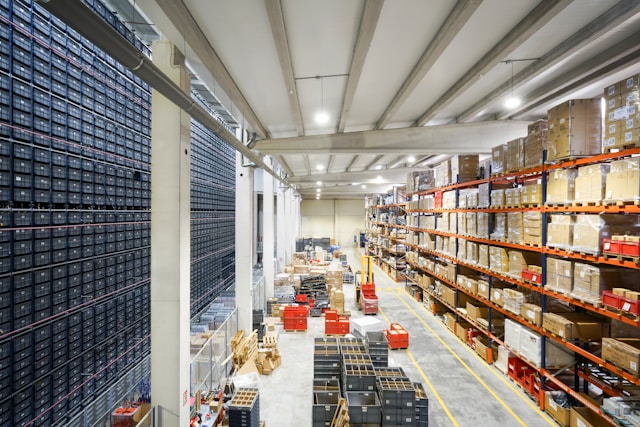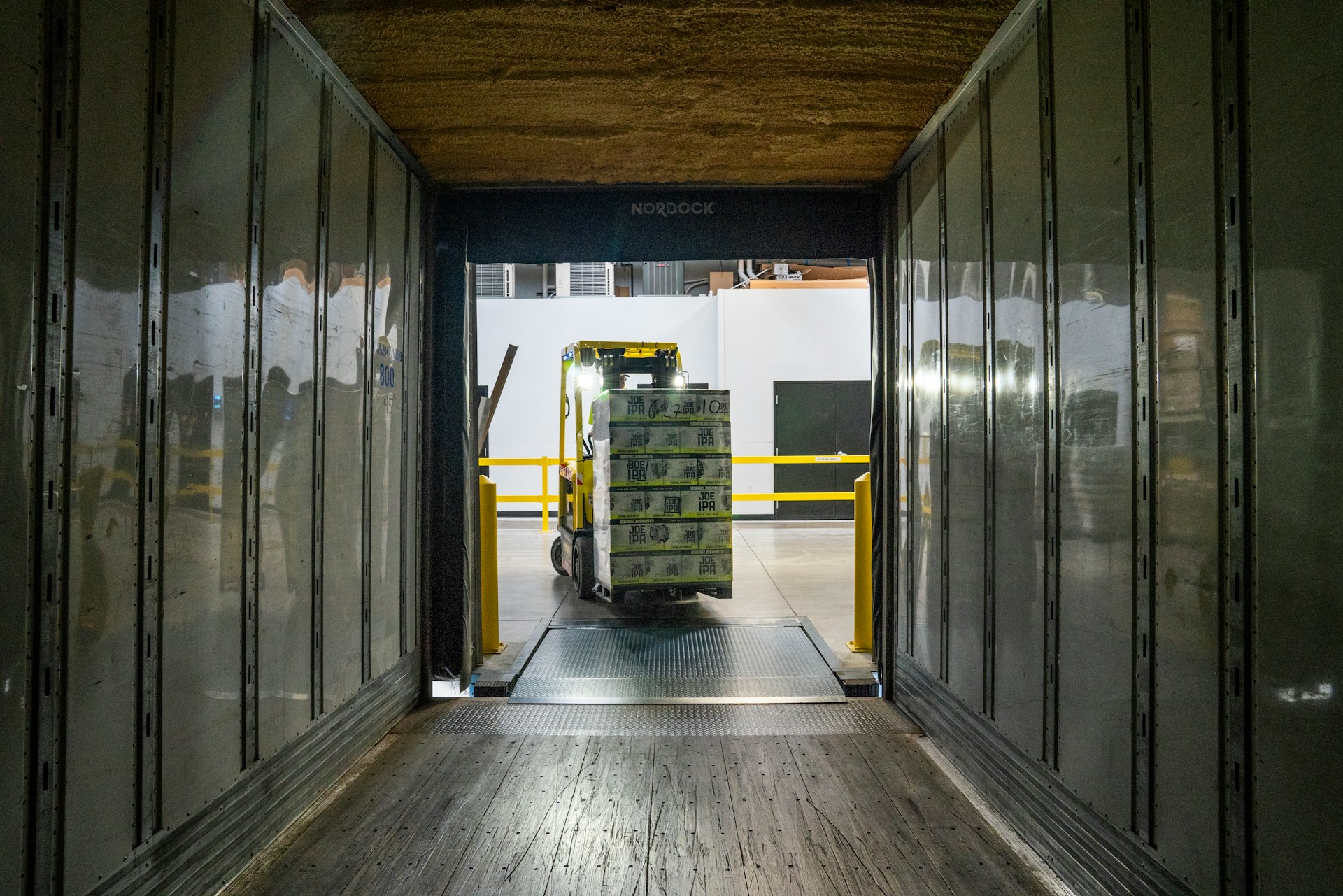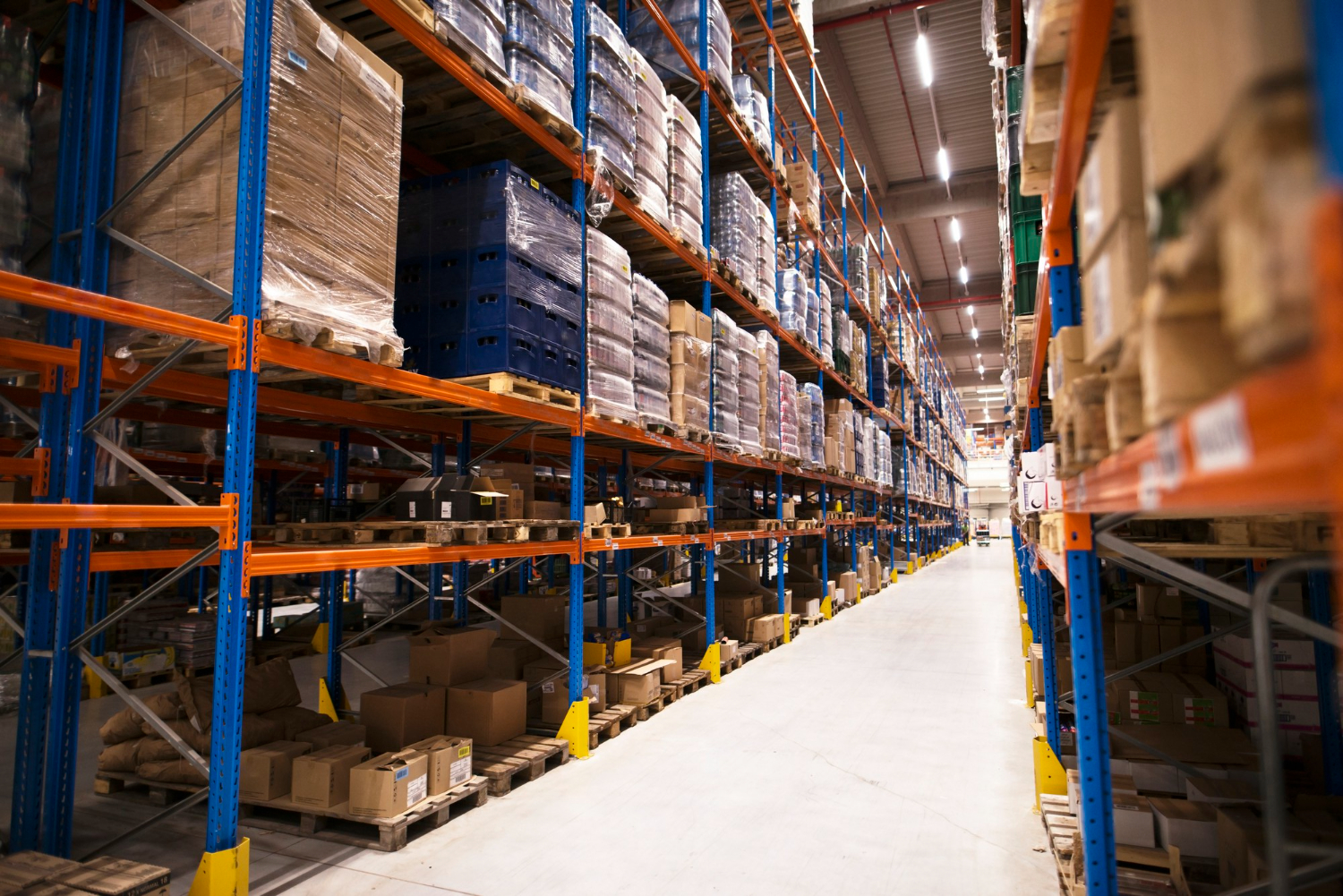


From startup launches to global DTC operations, we’ve reviewed the best warehousing and fulfillment companies to help you ship faster, reduce costs, and scale without chaos. In this guide, we break down each provider’s specialties, target industries, and pricing models, so you can choose the right fulfillment partner for your needs.
Warehousing and fulfillment are the backbone of any ecommerce operation. If your current process relies on spreadsheets, sticky notes, and hope, it might be time for a modern fulfillment solution.
Choosing the right fulfillment service is more than picking a place to store inventory. It’s about shaving days off order fulfillment, cutting overhead, and finally being able to track where your products are without asking your team, “Have you seen box xyz?”
This guide covers the top warehousing and fulfillment companies, their specialties, and who they’re built for, so you can choose the right fulfillment partner that keeps your operations smooth and your customers happy.
The Best Warehousing and Fulfillment Service Providers
Below is a list of warehousing and fulfillment companies, highlighting their standout services, target industries, and what sets them apart.
1. ShipWithMina
ShipWithMina provides modern, tech-enabled warehousing and fulfillment solutions designed for small to mid-sized ecommerce businesses and startup or crowdfunding projects. Their platform focuses on streamlined order processing, real-time inventory management, and customizable fulfillment workflows, making it easy to scale without chaos.
Their cloud-based system offers transparency across the fulfillment process, from pick and pack to shipping, giving your team visibility into inventory and order status at all times. With a flexible network of warehouse locations, ShipWithMina ensures faster delivery times while keeping fulfillment costs predictable.
Pros:
- Tech-driven platform with real-time dashboards
- Flexible warehouse and fulfillment locations
- Branded packaging and subscription box support
- Scales with small and mid-sized businesses
Cons:
- May require some learning curve for new users
- Pricing available upon request
2. FlowSpace
FlowSpace provides scalable logistics solutions for small to mid-sized firms. Their fulfillment network focuses on order fulfillment, pick and pack, and seamless warehouse management.
They excel at helping small businesses scale efficiently. With real-time inventory tracking and integration with Shopify, Amazon, and other platforms, order processing becomes smoother and more reliable.
Pros:
- Distributed fulfillment network
- Seamless platform integration
- Advanced order tracking
Cons:
- Limited for very large enterprises
- Pricing not transparent
3. DHL Supply Chain
DHL Supply Chain offers complex logistics and warehousing solutions for enterprise clients. Their warehouse locations span the globe, supporting cross-border fulfillment, inventory optimization, and returns processing.
Their global network allows businesses to scale efficiently while maintaining tight control over the supply chain. Real-time inventory visibility minimizes stockouts and overstocking.
- Pros: Global warehouse network
- Robust inventory management
Cons:
- Complex onboarding
- Longer contract commitments
4. UPS Supply Chain Solutions
UPS Supply Chain Solutions specializes in ecommerce fulfillment, multichannel order processing, and logistics optimization.
Their global reach is unmatched, with multi-site fulfillment centers and advanced tracking. They also offer branded packaging and returns management to maintain strong customer experience.
Pros:
- Flexible fulfillment solutions
- Seamless integration
- Extensive global network
Cons:
- Requires technical expertise
- Pricing not transparent
5. Ryder
Ryder provides warehouse and fulfillment solutions tailored for industries like automotive, electronics, and consumer goods.
Their expertise in the automotive sector and scalable warehouse management ensures reliable order fulfillment even during peak demand.
Pros:
- Industry expertise
- Real-time tracking
Cons:
- Limited for small businesses
6. Geodis eLogistics
Geodis eLogistics focuses on omnichannel distribution, reverse logistics, and efficient inventory management.
Ideal for retail operations, with multiple warehouse locations and expertise in returns management.
Pros:
- Advanced inventory tracking
- Multiple fulfillment centers
Cons:
- Complex setup for small businesses
How to Choose the Right Warehousing and Fulfillment Company

Selecting a fulfillment provider isn’t just about warehouse space, it’s about finding a partner that can grow with your business while optimizing your fulfillment process. Here’s what to consider:
- Business Objectives: Look for a company that aligns services with your growth goals, whether it’s faster shipping, handling complex SKUs, or international expansion.
- Service Scope & SLAs: Confirm what’s included in their services i.e storage, order fulfillment, kitting, returns and their service guarantees.
- Support Availability: Ensure the company offers responsive, knowledgeable support across email, phone, and chat.
- Costs and Pricing Structure: Ensure you understand warehousing and fulfillment cost, including storage, pick and pack fees, and any hidden charges.
- Technology Integration: Check for platform compatibility (Shopify, Amazon, WooCommerce) and WMS support.
- Reputation & Reviews: Peer feedback on reliability, accuracy, and responsiveness matters.
- Scalability: Confirm multi-warehouse strategies and flexibility during peak seasons.
Core Warehousing and Fulfillment Services
Top warehousing and fulfillment companies typically provide:
- Inventory management for real-time stock control
- Order processing with speed and accuracy
- Shipping and delivery through cost-effective carriers
- Returns handling for seamless reverse logistics
- Kitting and assembly for subscription boxes and gift sets
- Custom packaging to enhance brand experience
- Cross-border shipping for international expansion
- Real-time tracking for full visibility
- Temperature-controlled storage for perishable products
- Subscription fulfillment with batch processing
Benefits of Warehousing and Fulfillment Services
Partnering with a fulfillment provider offers:
- Cost savings on warehouse space and labor
- Scalability to meet demand spikes
- Improved delivery times with strategically located fulfillment centers
- Inventory accuracy with advanced tracking
- Expert logistics support without hiring a full team
- Enhanced customer experience with timely, branded shipments
- Global reach via international warehouse locations
Pricing & Fulfillment Cost Structures
Fulfillment cost varies widely depending on storage, pick and pack, order volume, customization, and shipping zones. Common pricing models include:
- Subscription-based
- Pay-as-you-go
- Tiered pricing
- Project-based
- Volume-based discounts
Always request a detailed, itemized quote to avoid surprises.
Final Thoughts
If you’re ready to streamline your ecommerce fulfillment, cut costs, and scale without chaos, it’s time to choose a warehousing and fulfillment company. The right partner handles everything, from order processing to pick and pack, inventory tracking, and shipping optimization.
Whether launching your first DTC brand or managing a global multichannel operation, the right fulfillment solution ensures smooth operations, satisfied customers, and room for growth.