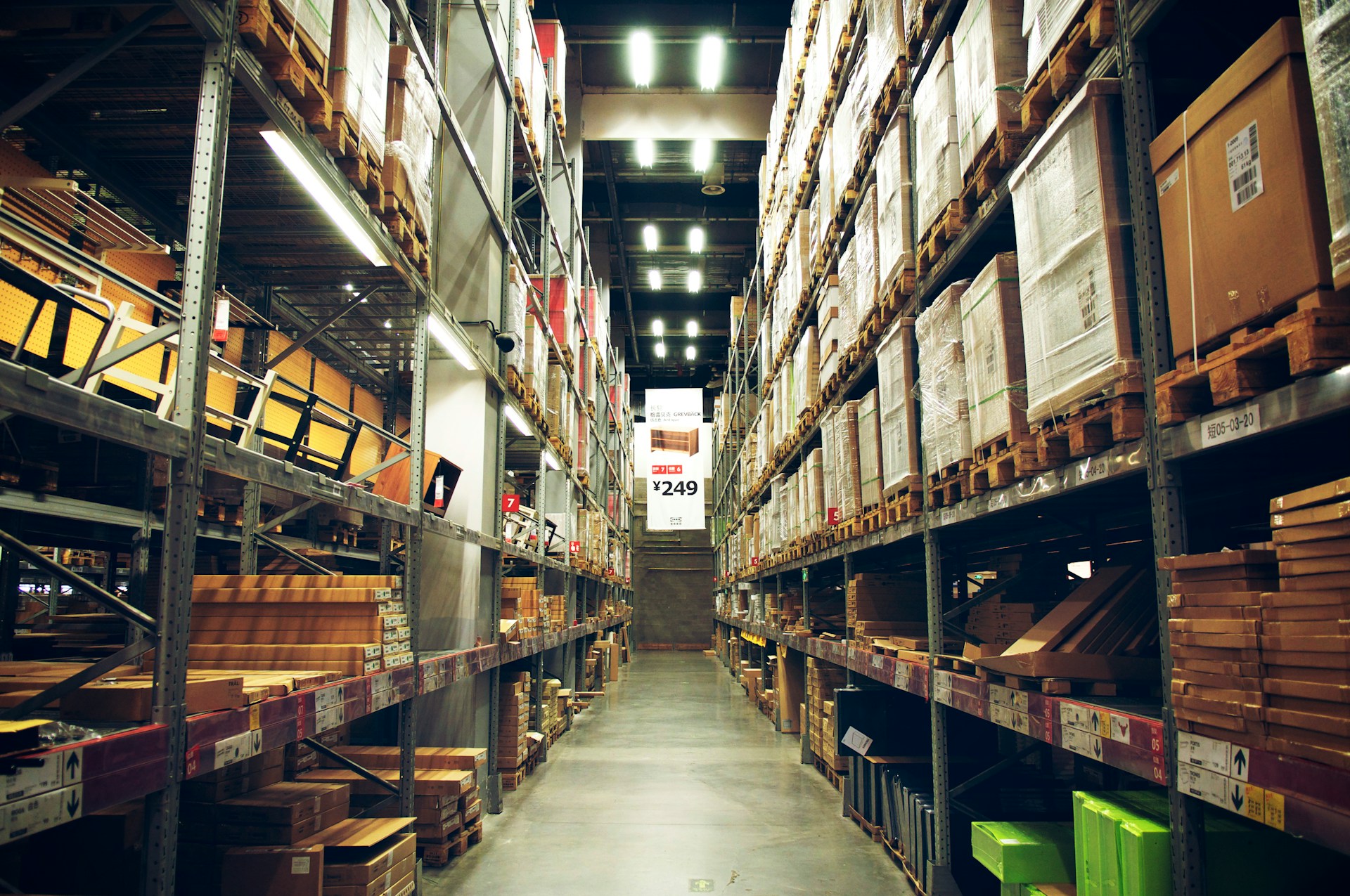
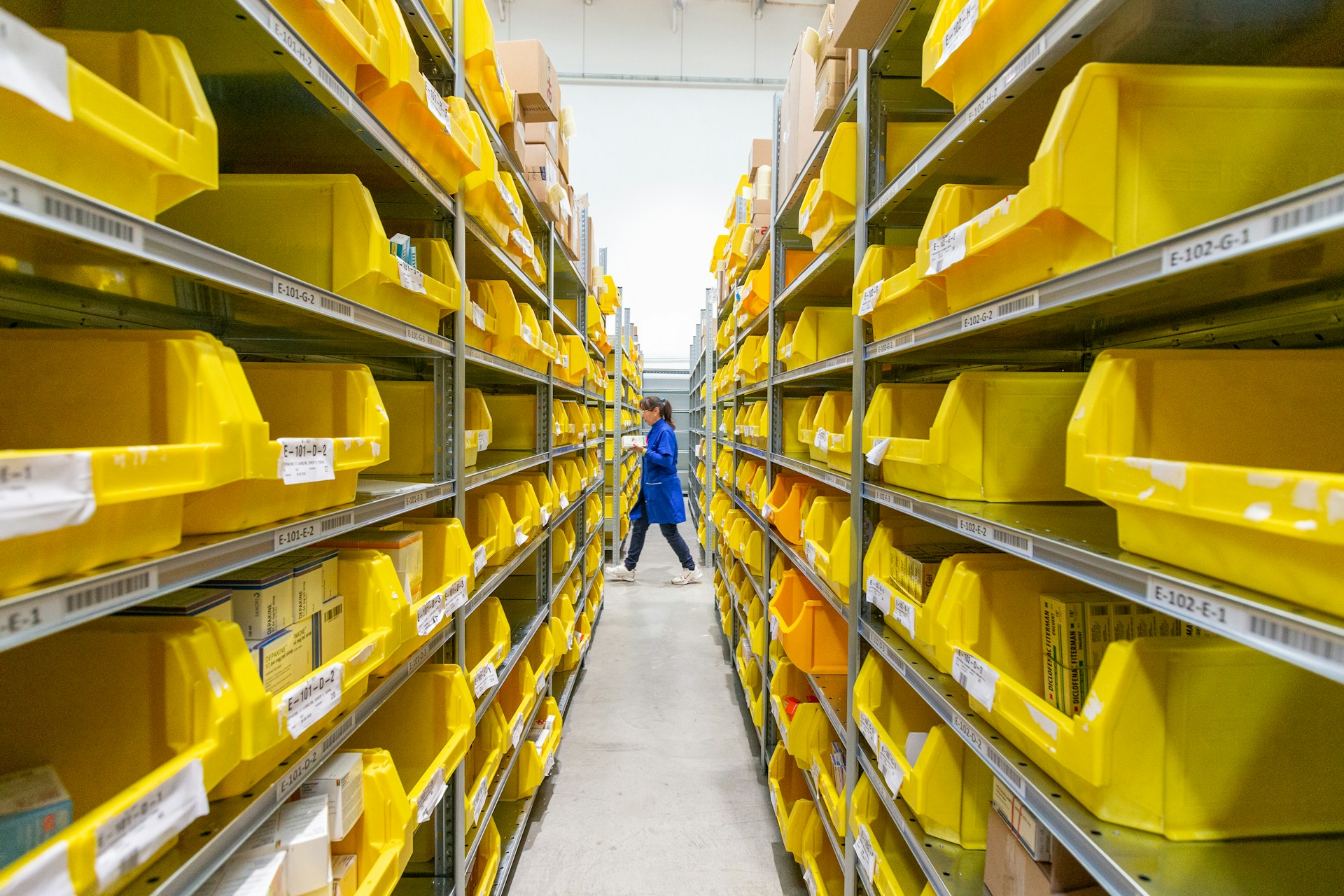
Warehousing is at the heart of e-commerce success. With the increasing demand for faster delivery and real-time information, the traditional warehouses, which were designed to operate manually, are struggling to keep pace. Delays, errors, and stockouts are no longer acceptable in a world where speed and accuracy are key to customer loyalty.
Such a shift has introduced the new age of intelligent warehousing, where technology guides all the processes of the fulfillment process. Smart warehouses are based on automation, data analysis, and networked systems to be more accurate, efficient, and responsive. The result is a faster, more reliable operation that helps businesses deliver better service while keeping costs under control.
What Is Smart Warehousing?
A smart warehouse is an advanced, technologically equipped warehouse that utilizes automation and data to control operations and make informed decisions. Each step, such as receiving goods or shipping orders, is supported by intelligent systems that help eliminate inefficiencies and minimize errors.
In traditional warehouses, employees manually record, move, and track inventory. Smart warehouses, on the other hand, combine the use of warehouse management software (WMS), Internet of Things (IoT) sensors, robotics, and artificial intelligence (AI). These systems integrate to deliver real-time visibility and automation, and enhance performance along the way.
The goal of a smart warehouse is not just to store products, but to create a flexible environment that learns, adapts, and evolves in response to changing business needs.
Core Technologies Behind Smart Warehousing
1. Automation and Robotics
A smart warehouse is based on automation. Machines take over time-consuming tasks like picking, sorting, and transporting goods. Robotic systems, such as conveyor belts, sorting machines, and automated guided vehicles (AGVs), operate continuously to minimize downtime and enhance consistency.

For example, robotic picking systems utilize cameras and sensors to identify products quickly and accurately, while AGVs transport items safely across the warehouse floor without requiring human assistance. This level of automation speeds up fulfillment and frees up staff for more strategic tasks.
2. Warehouse Management Systems (WMS)
The warehouse management system acts as the brain of a smart warehouse. It tracks inventory levels, assigns picking tasks, and manages the real-time movement of goods. When connected to other tools, such as e-commerce platforms or transportation management systems, it provides managers with a comprehensive view of operations, from order placement to delivery.
Modern WMS platforms utilize AI to forecast demand and optimize warehouse space utilization. For instance, frequently ordered items can be positioned closer to packing areas to shorten travel time and boost efficiency.
3. Internet of Things (IoT)
The IoT connects warehouse equipment, sensors, and products to share data in real-time. RFID tags and smart sensors track the location of goods, monitor temperature and humidity, and send alerts when issues arise, such as damaged packages or low stock.
This connectivity provides managers with immediate insight into warehouse activity, enabling them to prevent disruptions and maintain product quality.
4. Artificial Intelligence and Machine Learning
AI and machine learning make smart warehouses truly intelligent. They analyze data from daily operations to spot trends, forecast demand, and improve decision-making.
For example, artificial intelligence can predict peak shopping seasons, recommend staffing adjustments, or calculate the most efficient picking routes. As machine learning systems collect more data, they continually refine these predictions, enabling the warehouse to improve automatically over time.
5. Cloud and Data Analytics
The cloud brings all warehouse data together in one place. This centralized approach allows managers to view performance metrics, inventory levels, and order statuses across multiple locations.
Data analytics helps uncover hidden inefficiencies. If certain products move slowly, managers can adjust stock levels or reorganize layouts to free up space and resources, thereby optimizing inventory management. As the warehouse becomes more data-driven, it becomes easier to make quick, informed decisions.
Benefits of Smart Warehousing
1. Efficiency and Productivity
Smart systems simplify workflows and reduce manual labor. Automated picking and packing can process thousands of orders per hour, while real-time coordination ensures smooth handoffs between receiving, storage, and dispatch.
2. Inventory Accuracy
Smart warehouses use sensors, scanners, and automated tracking to maintain near-perfect accuracy. Every product movement is updated instantly in the system, minimizing errors and preventing lost or misplaced items.

3. Cost Savings
Although smart warehousing requires an initial investment, it pays off over time. Automation reduces labor costs, AI optimizes resource use, and predictive analytics prevents overstocking or shortages. Together, these improvements translate into better profitability.
4. Scalability
As business grows, smart warehouses can easily adapt to handle higher order volumes. Expanding capabilities is as simple as adding more robots, increasing storage capacity, or integrating new technology without disrupting operations.
5. Better Customer Experience
Faster and more accurate fulfillment leads to happier customers. Smart warehouses make same-day or next-day shipping achievable while reducing the likelihood of order mistakes or delays.
6. Sustainability
By utilizing energy-efficient systems, smart space management, and automated climate control, smart warehouses can reduce waste and lower energy consumption. These optimizations lower costs and support environmentally conscious operations.
Challenges of Implementing Smart Warehousing
Despite the many benefits, setting up a smart warehouse requires careful planning and investment.
- High Initial Costs: Robotics, sensors, and software can be costly to install. Many businesses start small by automating a single process before expanding across the entire warehouse.
- System Integration: Connecting new systems with existing ones can be a challenging task. Ensuring that the WMS, ERP, and inventory software communicate smoothly is essential.
- Employee Training: Training is necessary when new technology is being introduced. Employees will need to know how to operate new tools, and their feedback can be used to facilitate the process.
- Cybersecurity Risks: As people become more interconnected, the security requirements become higher. Protecting data and maintaining a secure network is essential to safeguard operations.
How to Transition to a Smart Warehouse
- Evaluate Current Operations: Identify where inefficiencies exist and where technology could have the biggest impact.
- Set Clear Goals: Define what success looks like. It could be shorter order processing times, better accuracy, or improved visibility.
- Choose the Right Technology: Select tools that are flexible, scalable, and compatible with your existing systems and workflows.
- Implement Gradually: Start with one key area, such as inventory tracking or picking, and expand once you see results.
- Monitor and Optimise: Use data to measure performance and adjust processes as needed. Smart warehousing thrives on continuous improvement.
ShipWithMina: Powering Smart Fulfilment Solutions
ShipWithMina delivers intelligent and transparent fulfilment designed for modern e-commerce brands. Its technology-driven fulfillment centers use advanced systems to provide real-time visibility, automated inventory tracking, and smooth order handling from start to finish.
By combining reliable warehouse management tools with proven logistics expertise, ShipWithMina helps online retailers focus on growing their business instead of managing daily operations. Every step, from order synchronization to packing and shipping, is guided by data to maintain accuracy, consistency, and speed.
As order volumes increase and customer expectations rise, ShipWithMina offers a smarter, faster, and more dependable way to handle fulfillment.
Final Take
Smart warehousing is no longer a fad; it’s the foundation of modern fulfillment. With the integration of automation, data, and intelligent systems, companies can transform their warehouses into efficient and data-driven operations that drive actual growth.
As e-commerce continues to evolve, the need for smart warehousing will only increase. Companies that invest now will stay ahead of the curve, offering faster delivery, better accuracy, and a superior customer experience.